
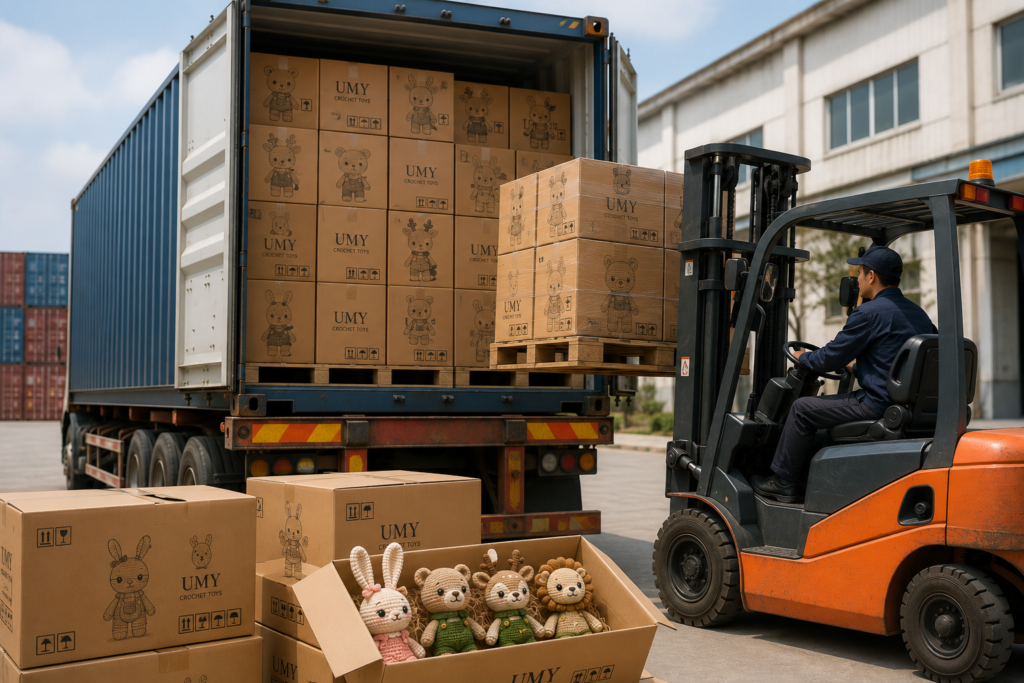
A Practical Guide to Understanding the True Cost of Importing Handmade Crochet Products from China
One of the biggest mistakes first-time importers make is assuming that the factory price is the final cost of the product.
In reality, the unit price quoted by a manufacturer is only one part of the total investment.
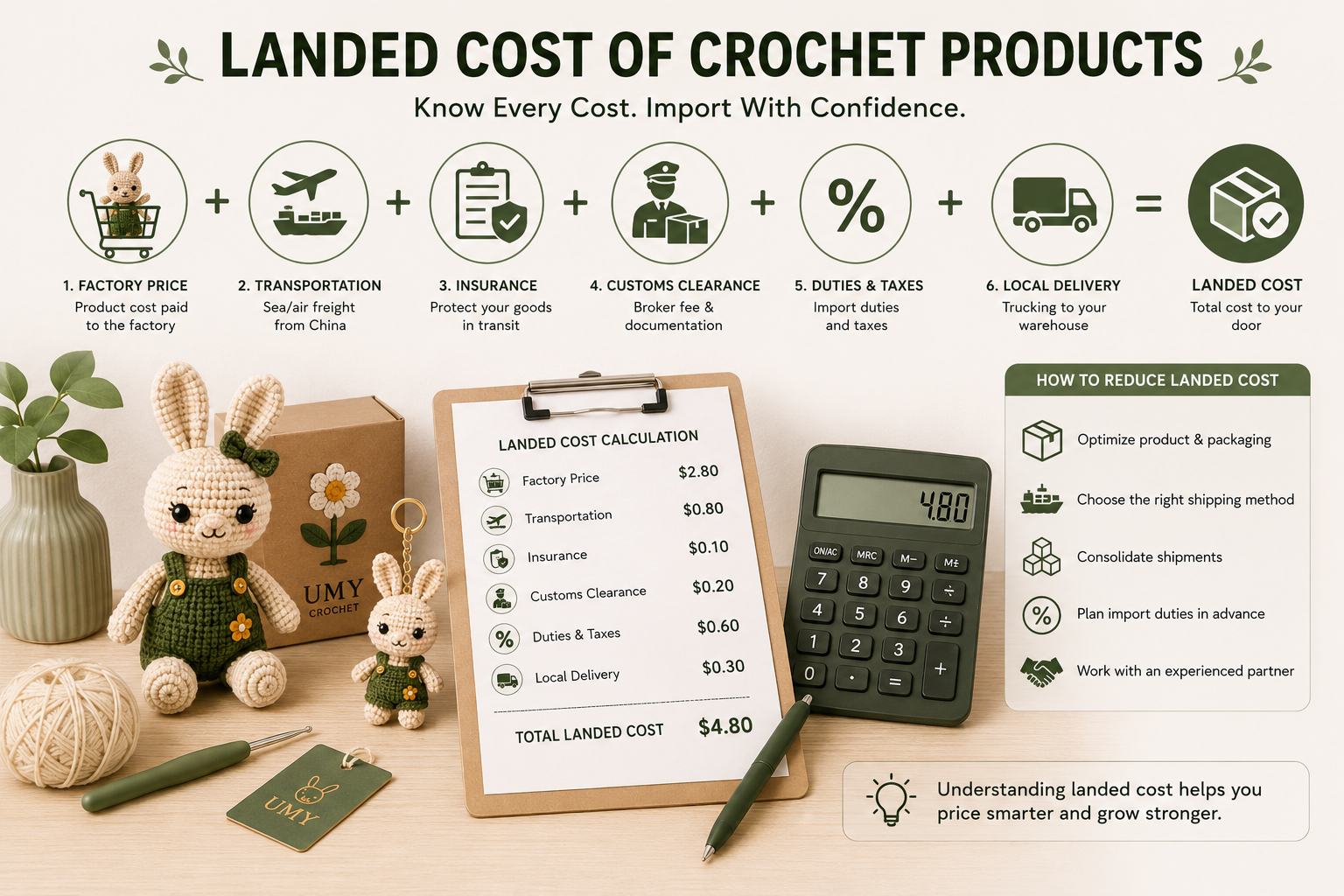
Before a crochet product reaches your warehouse or retail store, there are many additional costs involved, including transportation, customs clearance, import duties, taxes, insurance, and local delivery.
One of the most common questions we hear from buyers is:
"Your factory price looks competitive—but what will my total landed cost actually be?"
At UMY Crochet Factory, we have specialized in crochet manufacturing since 2013, helping retailers, museum stores, gift brands, distributors, startups, and corporate buyers across more than 150 countries and regions develop and import custom crochet products.
Over the past 12 years, we've found that buyers who understand landed cost make better sourcing decisions, negotiate more effectively, and build healthier long-term businesses.
This guide explains how landed cost is calculated, which expenses buyers should expect, and how careful planning can significantly improve profitability.
Why Factory Price Is Only Part of the Total Cost
Imagine two suppliers quote exactly the same product:
Supplier A
US$4.20 per piece
Supplier B
US$4.50 per piece
Many buyers immediately choose Supplier A.
However, after calculating:
- Shipping
- Packaging
- Customs duties
- Inland transportation
- Inspection fees
- Inventory handling
Supplier B may actually deliver a lower total landed cost.
One lesson we've consistently learned is:
The cheapest factory price does not always create the lowest overall business cost.
Professional buyers evaluate the complete supply chain—not simply the unit price.
What Is Landed Cost?
Landed cost refers to the total cost of importing a product from the manufacturer to its final destination.
Rather than looking only at the product price, landed cost considers every expense incurred before the goods are ready for sale.
Understanding landed cost allows buyers to:
- Calculate actual profit margins
- Compare suppliers fairly
- Build realistic retail pricing
- Reduce unexpected expenses
- Improve purchasing decisions
For retailers, distributors, and gift brands, landed cost is often more important than factory pricing alone.
The Eight Components of Landed Cost
1. Product Manufacturing Cost
This is the price quoted by the manufacturer.
It usually includes:
- Crochet production
- Materials
- Labor
- Standard quality inspection
- Basic packaging (depending on quotation terms)
Manufacturing cost is typically the starting point—not the final cost.
2. Sample Development Cost
For custom projects, buyers often invest in sample development before mass production.
- Pattern creation
- Technical development
- Material preparation
- Prototype revisions
- Packaging evaluation
Although this is usually a one-time investment, it should still be considered when evaluating the overall project budget.
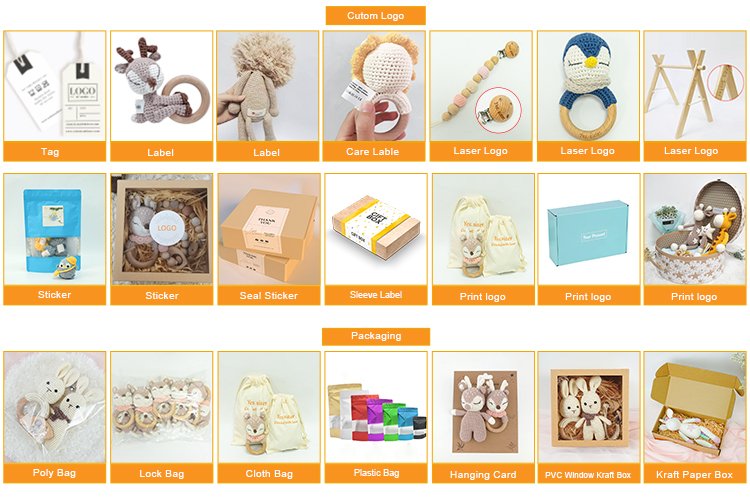
3. Export Packaging
Retail-ready packaging may include:
- Printed gift boxes
- Barcode labels
- Hang tags
- Story cards
- Master cartons
- Protective packaging
Packaging affects both product presentation and shipping efficiency.
One thing we've consistently observed is:
Thoughtful packaging often reduces shipping damage while increasing perceived product value.
4. International Freight
Shipping costs depend on several factors:
- Destination country
- Shipping method
- Carton dimensions
- Gross weight
- Shipping season
Common transportation options include:
- Express courier
- Air freight
- Sea freight
- Railway freight (where applicable)
Each option balances cost, speed, and flexibility differently.
Experienced manufacturers help buyers choose the most suitable shipping method based on delivery schedules and order quantities.
5. Import Duties and Taxes
Every country applies different import regulations.
Depending on your market, landed cost may include:
- Import duty
- Customs processing fees
- VAT or GST
- Local sales tax
- Brokerage charges
These costs vary significantly by destination.
One lesson we've learned is:
Understanding local import regulations before production begins helps buyers avoid unexpected costs later.
6. Customs Clearance
Imported goods usually require customs clearance before delivery.
This process may involve:
- Customs declarations
- Product documentation
- Commercial invoices
- Packing lists
- Country-of-origin documents
- Compliance documentation
Working with experienced freight forwarders can simplify this stage considerably.
7. Inland Transportation
After customs clearance, products still need to reach their final destination.
Additional transportation may include:
- Port-to-warehouse delivery
- Distribution center transfers
- Local trucking
- Last-mile delivery
Although often overlooked, inland transportation should always be included when calculating total landed cost.
8. Inventory and Warehousing
Many buyers forget that imported products continue generating costs after arrival.
Examples include:
- Warehouse storage
- Inventory handling
- Order fulfillment
- Packaging for resale
- Internal logistics
Successful retailers evaluate landed cost across the entire product lifecycle—not only during shipping.
Example: Estimated Landed Cost Breakdown
Imagine importing 1,000 custom crochet dolls.
Your total project might include:
| Cost Category | Example |
|---|---|
| Manufacturing | Product production |
| Sample Development | Prototype creation |
| Retail Packaging | Gift boxes & labels |
| International Freight | Ocean or air shipping |
| Import Duty & Taxes | Country-specific |
| Customs Clearance | Brokerage & documentation |
| Inland Transportation | Port to warehouse |
| Warehousing | Initial inventory storage |
Looking only at the manufacturing quotation may represent only part of the final investment.
Professional buyers evaluate the complete picture before making purchasing decisions.
Why Incoterms Matter
One of the biggest factors affecting landed cost is the shipping term agreed between the buyer and manufacturer.
Common options include:
EXW (Ex Works)
The buyer arranges almost every stage after pickup from the factory.
Suitable for experienced importers with established logistics partners.
FOB (Free on Board)
The manufacturer delivers the goods to the designated export port.
The buyer manages international freight and import procedures.
FOB remains one of the most common options for wholesale buyers.
CIF (Cost, Insurance and Freight)
The supplier arranges ocean freight and insurance to the destination port.
The buyer remains responsible for import clearance and local delivery.
DDP (Delivered Duty Paid)
The supplier arranges nearly the entire logistics process until delivery.
This option often simplifies importing for first-time buyers, although costs are reflected differently within the quotation.
One thing we've consistently observed is:
Choosing the right Incoterm is just as important as choosing the right supplier.
Real Project Example: Looking Beyond Factory Price
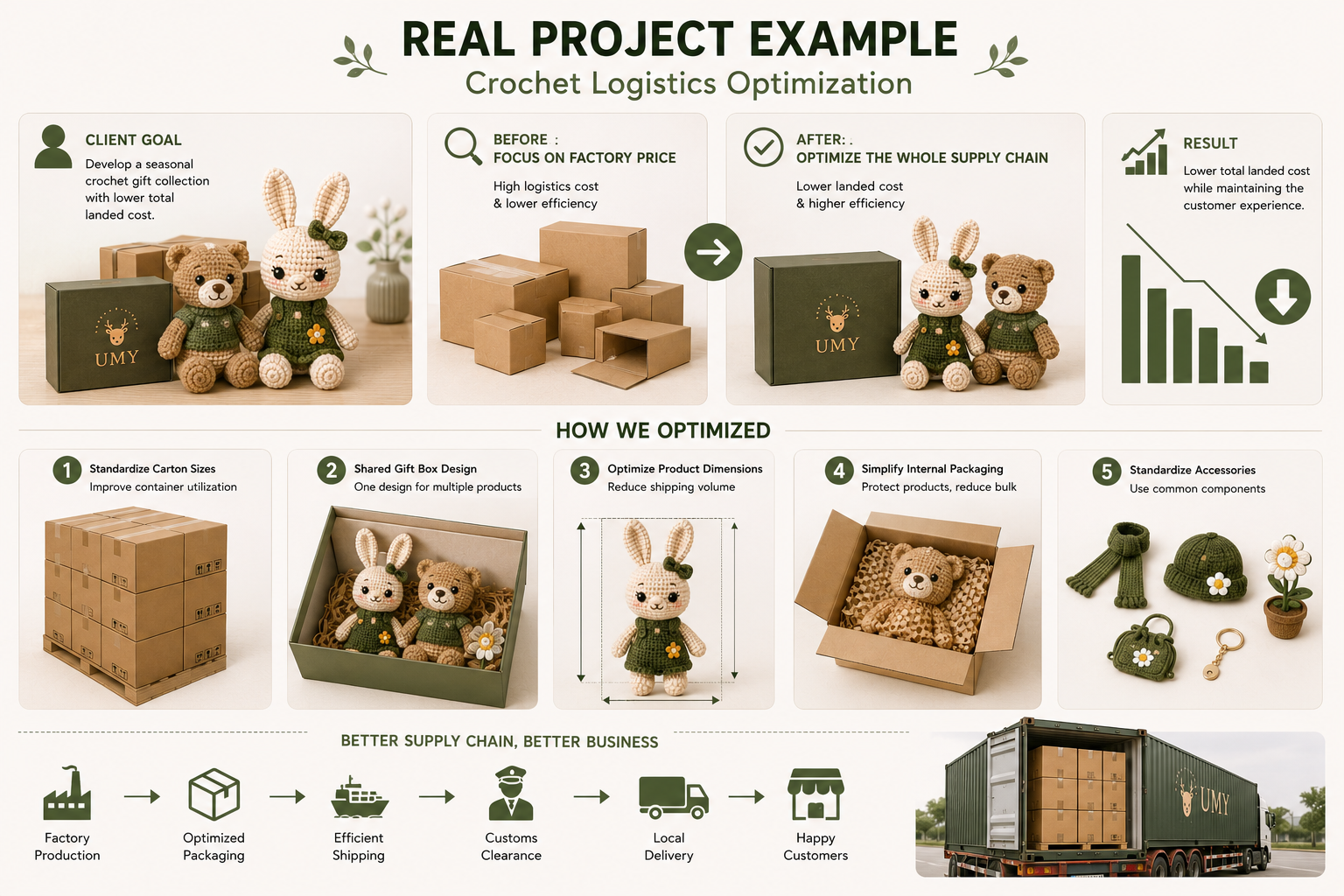
One retailer approached us to develop a custom crochet gift collection for a seasonal promotion.
At first, the buyer focused almost entirely on reducing the unit manufacturing price.
During our quotation review, however, we identified several opportunities to lower the overall landed cost instead.
Rather than changing the product design significantly, we recommended:
- Standardizing carton sizes to improve container utilization
- Combining several products into one shared gift box design
- Optimizing product dimensions to reduce shipping volume
- Simplifying internal packaging without affecting presentation
- Consolidating accessories into standardized components
Although the manufacturing price changed only slightly, these adjustments reduced overall logistics costs and improved shipping efficiency.
The buyer achieved a lower total landed cost while maintaining the intended customer experience.
This project reinforced one important lesson:
The most successful import projects optimize the entire supply chain—not just the factory quotation.
How Buyers Can Reduce Landed Cost Without Sacrificing Quality
Lower landed cost does not necessarily mean choosing the cheapest supplier.
In our experience, experienced buyers focus on improving efficiency throughout the project.
Some practical strategies include:
Optimize Product Dimensions
Small adjustments in product size can improve:
- Carton utilization
- Shipping efficiency
- Storage capacity
Even slight dimensional changes may reduce freight costs across large production orders.
Standardize Packaging
Using common packaging across multiple products can reduce:
- Packaging development costs
- Printing setup costs
- Inventory complexity
Many successful gift collections share the same packaging system while maintaining unique product identities.
Consolidate Shipments
Shipping multiple products together often improves logistics efficiency.
Instead of importing several small orders separately, many buyers consolidate:
- Seasonal collections
- Product families
- Multi-SKU gift programs
This frequently reduces transportation costs per unit.
Plan Compliance Early
Compliance planning during product development helps avoid:
- Product redesign
- Additional testing
- Shipment delays
- Unexpected customs issues
One lesson we've learned over the past 12 years is:
Work With Experienced Manufacturers
Experienced factories often identify opportunities that buyers cannot easily see.
These may include:
- Material substitutions
- Production optimization
- Packaging improvements
- Freight-friendly dimensions
- Simplified construction
These recommendations frequently reduce total landed cost while preserving product quality.
Common Mistakes Buyers Make When Calculating Landed Cost
Looking Only at Unit Price
A lower manufacturing quotation does not automatically produce lower import costs.
Professional buyers compare complete landed cost—not individual cost components.
Ignoring Shipping Volume
Freight charges are often based on carton dimensions as well as weight.
Bulky packaging can significantly increase transportation costs.
Forgetting Import Fees
Many first-time importers overlook:
- Customs duties
- VAT or GST
- Brokerage fees
- Documentation costs
These expenses should always be included in budgeting.
Choosing the Wrong Shipping Method
Express delivery may be appropriate for urgent samples but not always for production orders.
Conversely, ocean freight may reduce transportation costs but increase inventory planning requirements.
Selecting the appropriate shipping method depends on both budget and timeline.
Underestimating Inventory Costs
Products continue generating costs after arrival.
Warehouse storage, handling, and fulfillment should all be considered when evaluating profitability.
What We Commonly Observe Across Import Projects
After supporting customers across more than 150 countries and regions, we've identified several patterns among successful importers.
They calculate total business cost—not factory price.
Experienced buyers evaluate every stage from manufacturing through final delivery.
They involve logistics planning early.
Freight considerations are discussed before production begins—not after products are completed.
They build long-term supplier relationships.
Reliable manufacturing partners frequently identify opportunities to reduce future costs through better planning and standardized production.
They prioritize consistency.
One thing we've consistently observed is:
Long-term profitability comes from predictable supply chains rather than the lowest quotations.
UMY Crochet Factory at a Glance
Since 2013, UMY has specialized exclusively in crochet manufacturing.
Today, we support retailers, museum stores, gift brands, distributors, startups, and corporate buyers across more than 150 countries and regions.
Our capabilities include:
- 12+ years of crochet manufacturing experience
- 2,000+ artisan production network
- OEM and ODM development
- Product design optimization
- Sample development in approximately 7–15 working days, depending on project complexity
- Export-ready packaging development
- International quality management processes
- Support for global shipping and export documentation
Our goal is not only to manufacture beautiful crochet products, but also to help customers build efficient, commercially successful supply chains.
Frequently Asked Questions
Is factory price the same as landed cost?
No.
Factory price represents only the manufacturing portion of the project.
Landed cost includes all expenses required to bring products to their final destination.
What usually has the biggest impact on landed cost?
The major cost components typically include:
- Manufacturing
- International freight
- Import duties and taxes
- Packaging
- Inland transportation
The importance of each factor depends on the destination market and shipping method.
Can better packaging reduce shipping costs?
Yes.
Which Incoterm is best for first-time buyers?
There is no single answer.
Many first-time importers prefer DDP because it simplifies logistics, while experienced importers often choose FOB to gain greater control over freight arrangements.
The most suitable option depends on your logistics experience, destination market, and purchasing strategy.
Can manufacturers help estimate landed cost?
Yes.
Experienced manufacturers can often estimate manufacturing-related costs and provide guidance on packaging, shipping options, and export documentation.
However, import duties, taxes, and local logistics are generally determined by the destination country's regulations and service providers.
Final Thoughts
Successful importing is about much more than negotiating the lowest factory price.
After supporting retailers, museum stores, gift brands, distributors, startups, and corporate buyers across more than 150 countries and regions, we've learned that the most profitable projects are built through careful planning across the entire supply chain.
A complete landed cost calculation helps buyers:
✓ Compare suppliers fairly
✓ Build realistic retail pricing
✓ Protect profit margins
✓ Reduce unexpected expenses
✓ Improve long-term sourcing decisions
Rather than asking:
"Who offers the lowest factory price?"
Experienced buyers ask:
"Which supplier helps us achieve the lowest total landed cost?"
That perspective often leads to stronger partnerships, smoother imports, and more sustainable business growth.
Planning to Import Custom Crochet Products?
At UMY Crochet Factory, we work closely with buyers throughout the entire sourcing process—from product development and quotation to packaging optimization and export preparation.
Whether you're importing your first custom crochet collection or expanding an established product line, our team can help you evaluate manufacturing options and build a more efficient supply chain.
Contact us today to discuss your project and receive practical guidance on developing crochet products with long-term commercial success in mind.
 Chinese