
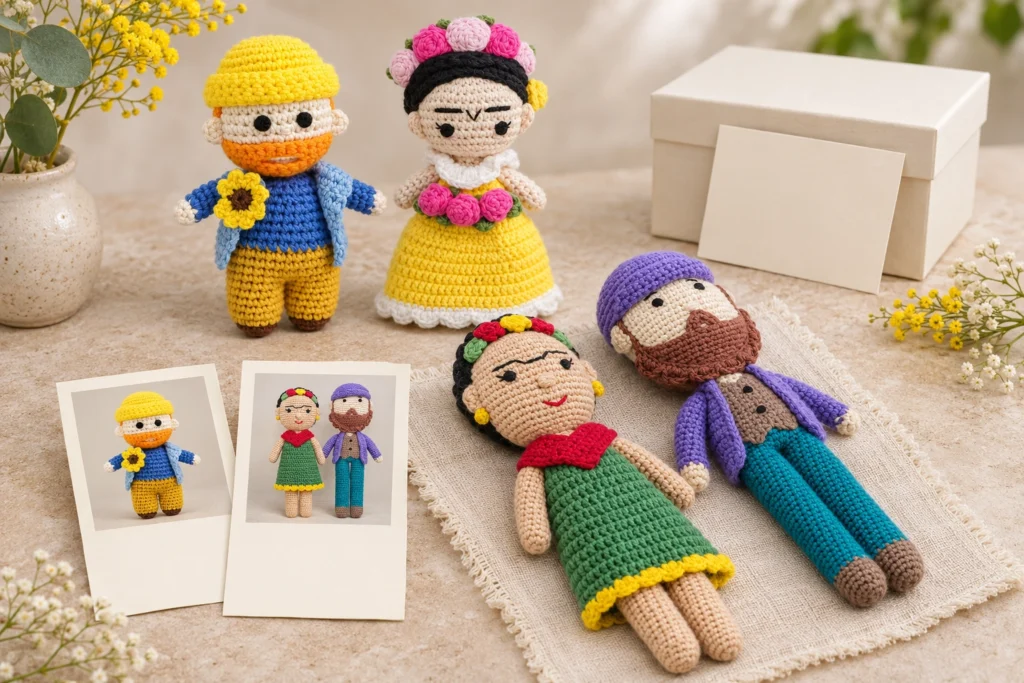
Develop a story card by selecting a clear, supported connection between the cultural reference and the crochet product, then expressing that connection in language the intended buyer can understand. Approve the content, attribution and physical card together before adding it to the retail configuration.
For museums, cultural institutions and destination-gift brands, a story card can explain why a product belongs in the collection. Its value depends on accurate interpretation and a visible relationship with the item customers receive.
This guide focuses on the card supplied with the product. It assumes the product concept has already been selected and addresses the next decision: what the accompanying interpretation should say and how it should be delivered.
Give the Card One Clear Purpose
Decide what the customer should understand after reading the card.
Useful purposes include:
- Identifying the reference behind the design.
- Explaining a specific feature visible in the product.
- Connecting the item to an exhibition or collection theme.
- Introducing an approved cultural story.
- Helping a gift recipient understand the significance of the object.
Choose a primary purpose before writing. A small card can become difficult to use if it tries to include a complete biography, institutional history, product description and sales message.
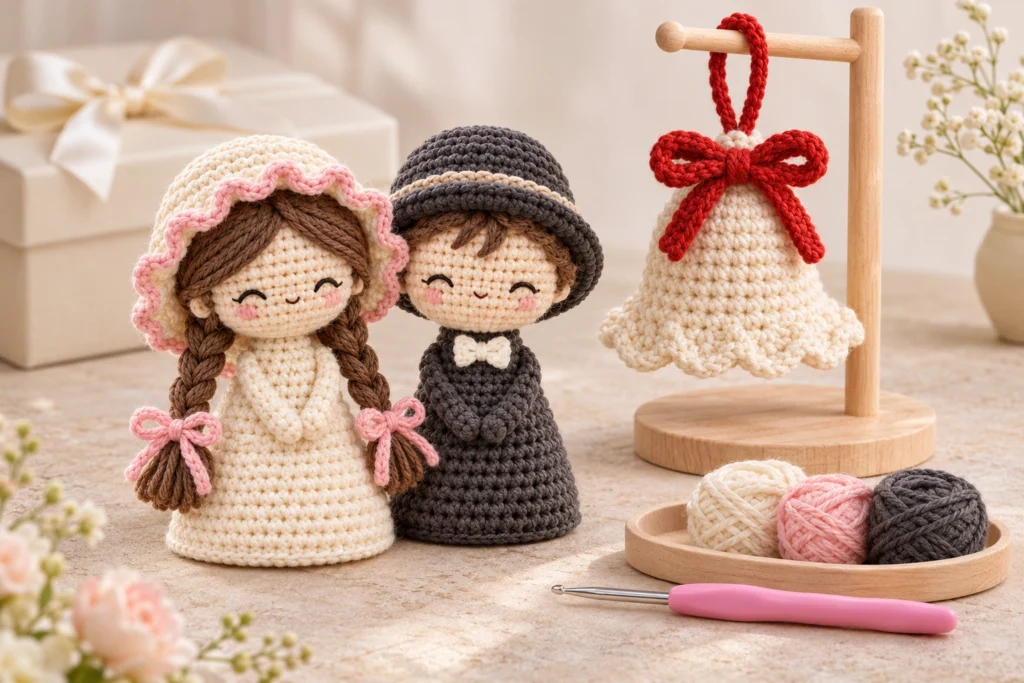
For example, an art-inspired character card might explain the relationship between a selected visual reference and the product’s hat, clothing or color palette. That requires a different editorial approach from a card accompanying a local botanical motif.
Do not assign cultural meaning to a generic product merely because the card needs a story. The connection should come from the approved development concept.
Build a Source and Approval Record
Collect the information that the card may use before drafting the text.
The source record should identify:
- The relevant object, person, artwork, place or tradition.
- The institution’s approved reference material.
- Confirmed names, dates and terminology.
- The aspects interpreted in the product.
- Required attribution or credit wording.
- Any restrictions communicated by the responsible rights or content team.
- The person authorized to approve the interpretation.
Separate established information from the design team’s interpretation. “The product uses colors selected from the approved reference” is a different statement from “These colors traditionally symbolize a particular idea.”
Include the second type of statement only when the project has suitable supporting information and approval.
Connect the Story to Features Customers Can See
A useful card helps the reader look more closely at the product.
Identify the visible features that carry the intended connection. These may include a silhouette, a garment, a flower, a color relationship or a deliberately simplified detail.
Then decide which of those features needs explanation.
| Card element | Question it should answer | Review point |
|---|---|---|
| Product or collection name | What is this item called? | Matches the approved product and packaging |
| Cultural reference | What does the design relate to? | Uses a confirmed reference and accurate terminology |
| Design connection | Which visible features express that reference? | Corresponds to the actual product |
| Short interpretation | Why is the connection relevant? | Supported, understandable and within the approved scope |
| Credit line | Who or what needs acknowledgment? | Uses wording confirmed by the responsible team |
| Further information | Where can readers learn more? | Leads to an approved, maintained resource |
Avoid describing details that were removed during sampling. If the approved product no longer includes a feature mentioned in the draft, revise the card or reconsider the product decision.
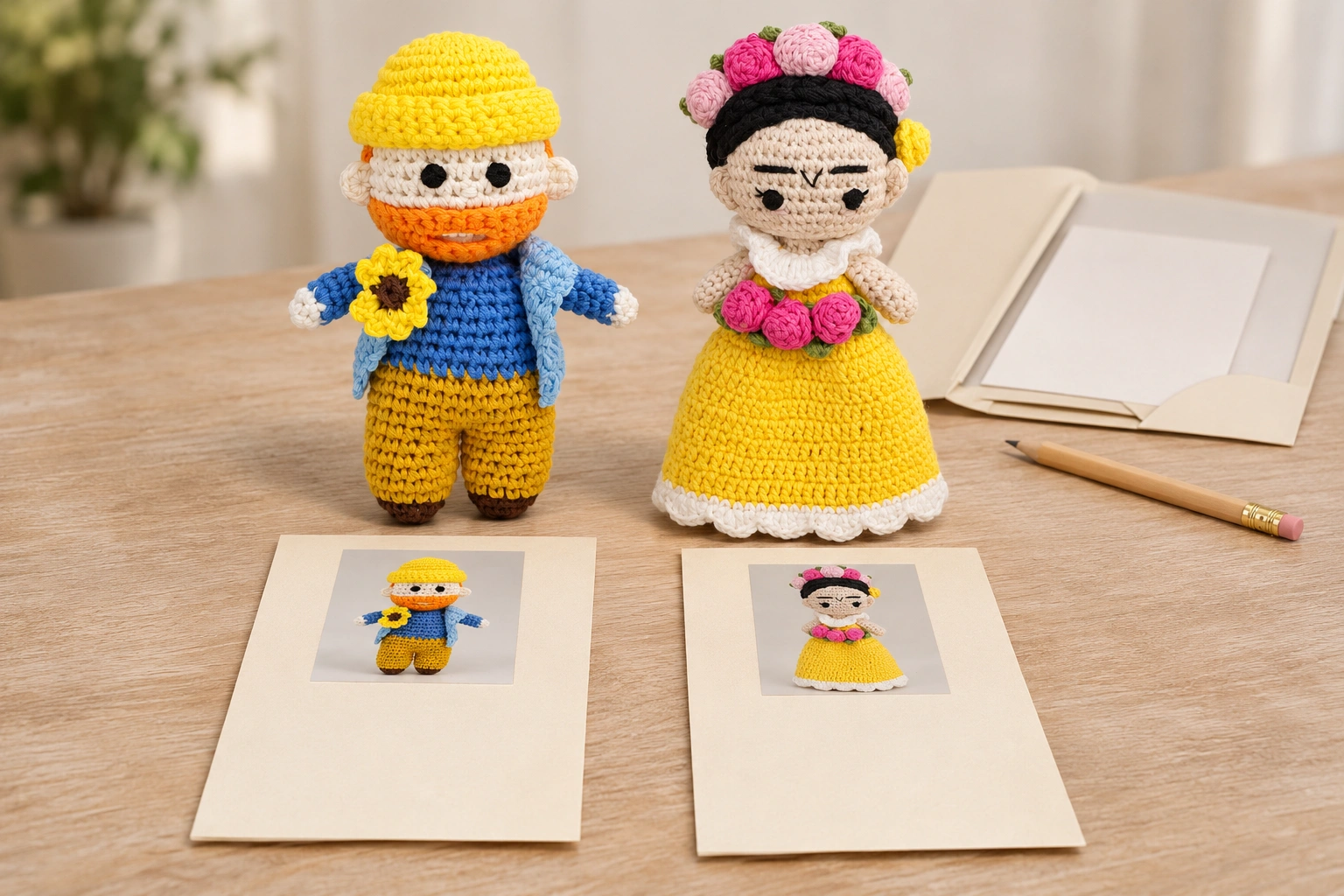
Distinguish Interpretation From Product Information
The cultural story and the product’s practical information serve different purposes.
Plan where each belongs across the card, hangtag, package and other supplied materials.
A story card may explain the reference behind a character. Product information may need to identify the item, intended use, materials or care arrangements. Confirm the required information for the particular product and sales market through the buyer’s usual review process.
Do not allow an attractive story card to become the only location for information the buyer expects elsewhere.
Likewise, keep manufacturing claims separate from cultural interpretation. Statements about handmade production, materials, makers or social impact should have their own evidence and approval.
The card should accurately describe both the cultural connection and the physical item.
Write for the Recipient and the Reading Moment
A museum-shop customer may read the card before purchasing. A gift recipient may encounter it later without access to the shelf display or exhibition.
Choose wording that works in the intended setting.
For a card supplied inside a gift box, establish enough context for someone who has not visited the institution. For a small hangtag, prioritize the central connection and provide a suitable route to further information where needed.
Use plain language and explain unfamiliar terms when they are essential.
Avoid relying on:
- Unexplained institutional abbreviations.
- References such as “as seen upstairs.”
- A story that only makes sense beside a temporary display.
- Long passages copied into a card without editing for its size.
- Broad claims that go beyond the approved reference.
Write the first draft from the approved facts, then edit it against the card’s purpose and available space.
Review Cultural Wording and Attribution Before Artwork Approval
Assign responsibility for content decisions early.
Depending on the project, reviewers may include a curator, collection specialist, cultural adviser, licensing team or brand content owner. Define who consolidates feedback and who makes the final decision.
A practical review sequence is:
- Confirm the source material and intended connection.
- Approve the factual outline.
- Review the draft interpretation and credit wording.
- Check the text against the latest product sample.
- Review the printed layout.
- Release the approved card version.
Resolve conflicting comments before sending production artwork. Keep the approved wording connected to the corresponding product version.
Where permissions or rights questions remain unresolved, refer them to the responsible project team before release. A supplier should not infer permission from the presence of a reference image.
Test the Card at Its Actual Printed Size
A layout that looks clear on a large screen may become difficult to read when printed.
Review a physical proof at the proposed size and examine:
- Text size and contrast.
- Reading order.
- Line breaks and spacing.
- Visibility of required credits.
- Image clarity, if an image is included.
- The effect of folds, holes or attachments.
- Whether the card is easy to remove and retain.
For multilingual cards, confirm the layout after all approved language versions are included. Do not approve the design using placeholder text and assume the final translations will fit.
If the content is too dense, shorten the interpretation or reconsider the format. Reducing the text until it is difficult to read does not solve the editorial problem.
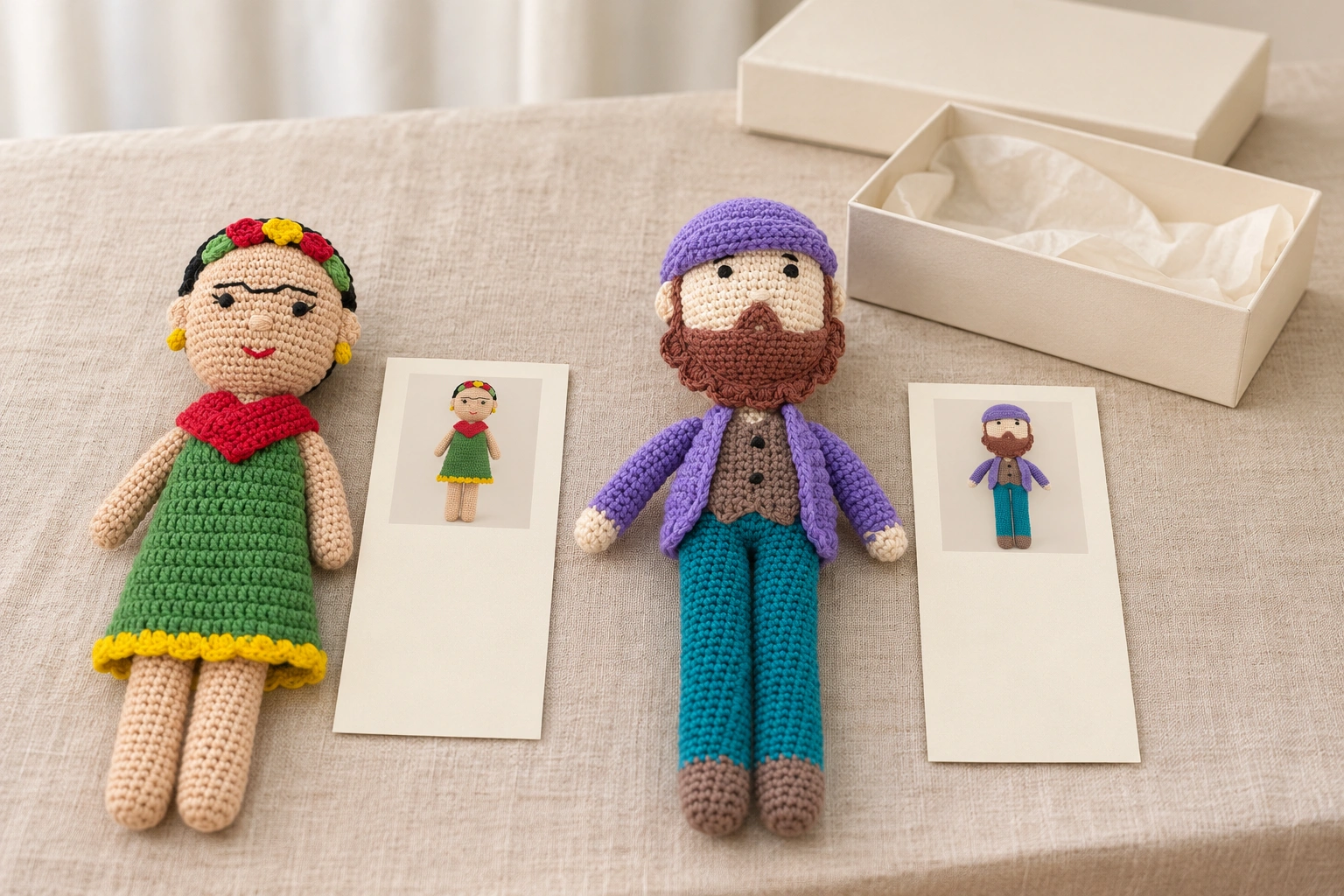
Choose How the Card Travels With the Product
Decide whether the card is attached, inserted or packed separately within a defined set.
Review the complete arrangement.
| Delivery format | What to assess |
|---|---|
| Attached hangtag | Attachment position, visibility, handling and possible snagging |
| Loose insert | Whether it remains with the correct item during opening |
| Folded card | Reading order, fold placement and usable space |
| Shared collection card | Whether its explanation applies clearly to every included product |
| Individual product card | Reliable matching between the card and the corresponding design |
For a mixed assortment, define the matching rules before packing. Product photographs or other clear references can help the packing team identify the correct card.
For the wider packaging brief, see How to Design Retail-Ready Packaging for Crochet Products.
Control Product, Language and Card Versions Together
Record the approved card as a component of the retail configuration.
The record should identify:
- Product or collection reference.
- Card artwork version.
- Approved language.
- Source and content approval.
- Credit wording.
- Physical format and attachment method.
- Effective production order or release.
- Treatment of any earlier card stock.
An exhibition-specific card may need different treatment from an ongoing collection card. If a date or exhibition reference becomes outdated, decide whether it remains accurate for later sales.
If the card includes a digital link, assign responsibility for maintaining the destination and keeping it relevant to the supplied item.
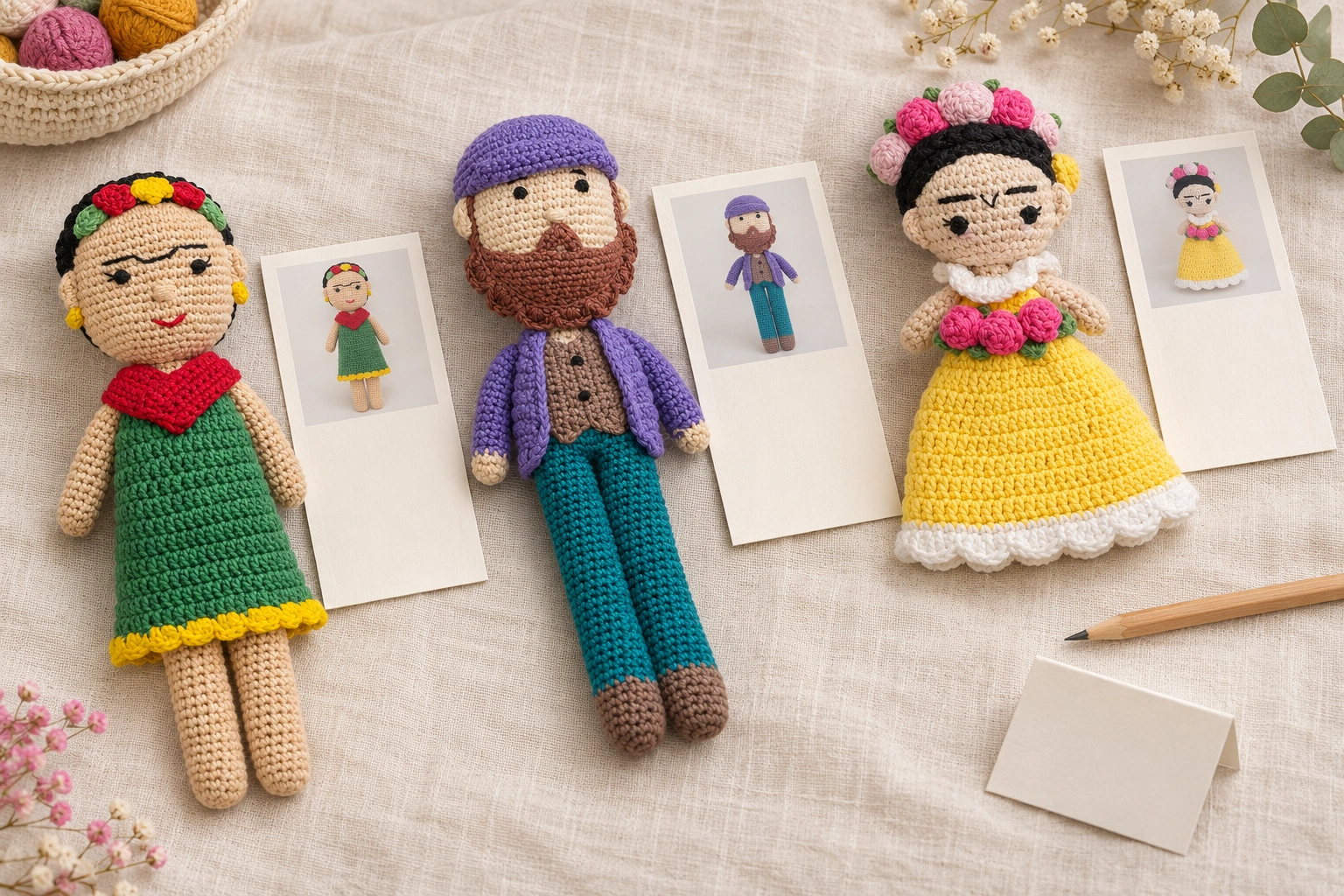
Coordinating Story Cards With UMY Crochet
For a cultural gift project, the institution or brand should provide the approved reference, interpretation and attribution requirements. A development discussion can then address how the card corresponds to the product, fits the packaging and enters the sampling and packing review.
The content approval and physical configuration should remain connected throughout development. A change to the character, accessory or collection name may require a corresponding card update.
For the earlier stage of translating a reference into a product concept, see How Museums Turn Cultural Stories Into Retail-Ready Crochet Products.
Frequently Asked Questions
Should a story card explain the entire cultural background?
Usually the card needs a defined, manageable purpose. Select the connection most relevant to the product and provide an approved route to further information where appropriate.
Can one story card accompany several different products?
Yes, when the wording accurately applies to all of them and readers can understand the relationship. Different subjects may need individual cards.
Can a product reference image be used as the only source for the story?
Who should approve the cultural content?
The institution or brand should identify the responsible content owner and any specialist reviewers needed for the project.
Can the manufacturer add cultural meaning to make the card more engaging?
When should the card be checked against the product?
Check it during drafting, physical proof review and final configuration approval, particularly after product revisions.
Request a Cultural Gift and Story Card Configuration Review
Share your approved cultural references, product samples or concepts, intended audience, language requirements and proposed card purpose with UMY Crochet.
Include confirmed credit wording, content approval responsibilities and packaging preferences. Request a review of the card’s relationship to the product, physical format and packing configuration before releasing the artwork.
<!--[googlesitekit-end-of-content]-->
 Chinese