
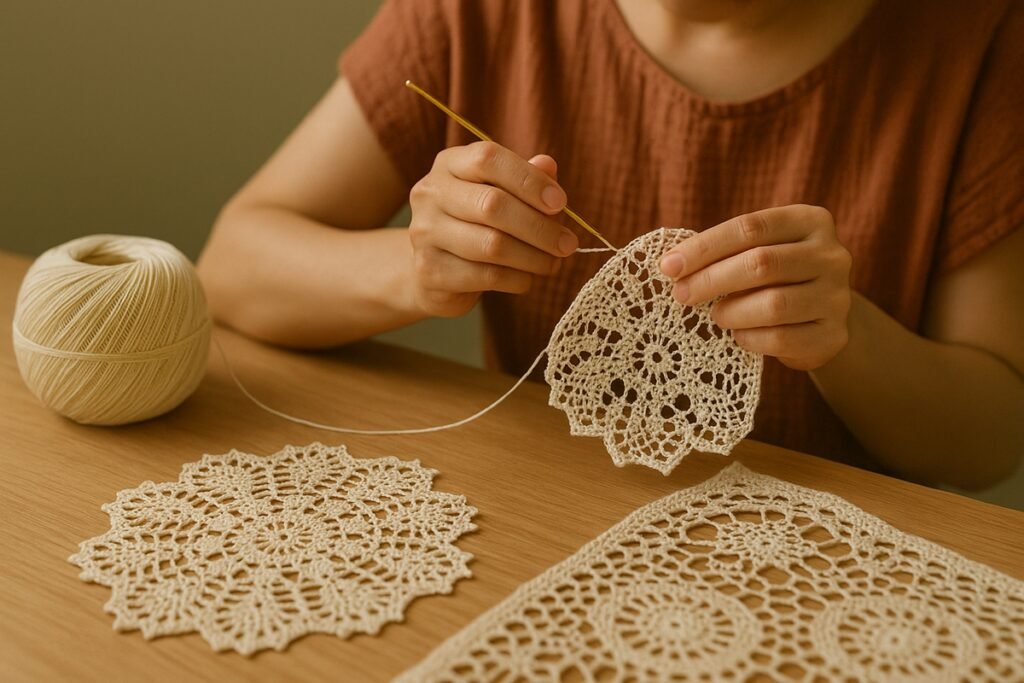
I still remember the first time I tried a complex pattern and felt lost, even though I had been crocheting for years.
The hardest crochet projects are usually intricate designs that require many parts, advanced stitches, and perfect shaping. These include detailed amigurumi, lacework, and multi-component blankets.
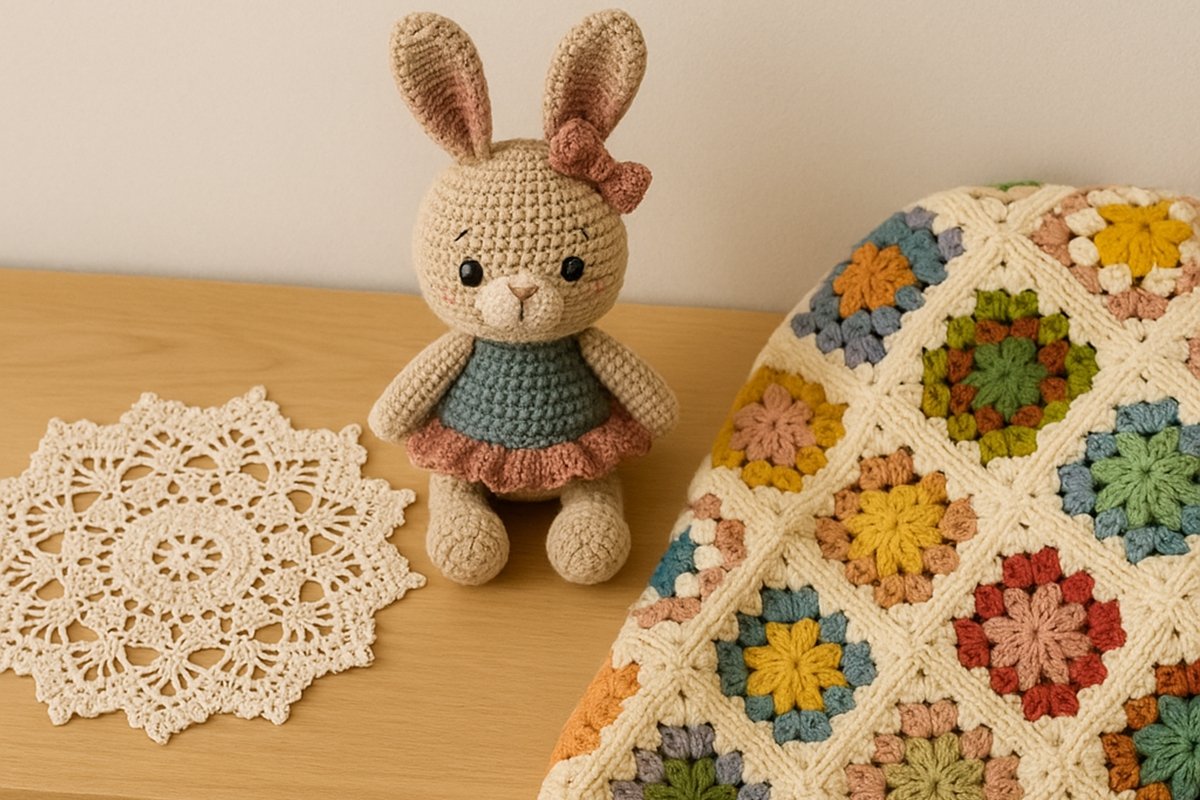
When you understand why certain projects are difficult, you can plan better, practice smarter, and avoid frustration.
The Hardest Crochet Projects: Intricate Designs Made Easier with UMY’s Expert Artisan Team
Many makers feel overwhelmed when they see advanced crochet designs, and this fear makes them think they cannot create complex pieces.
Difficult crochet projects often include tiny details, many panels, shaping challenges, or advanced stitch combinations. With UMY’s artisan team, even complex designs can reach production-level consistency.
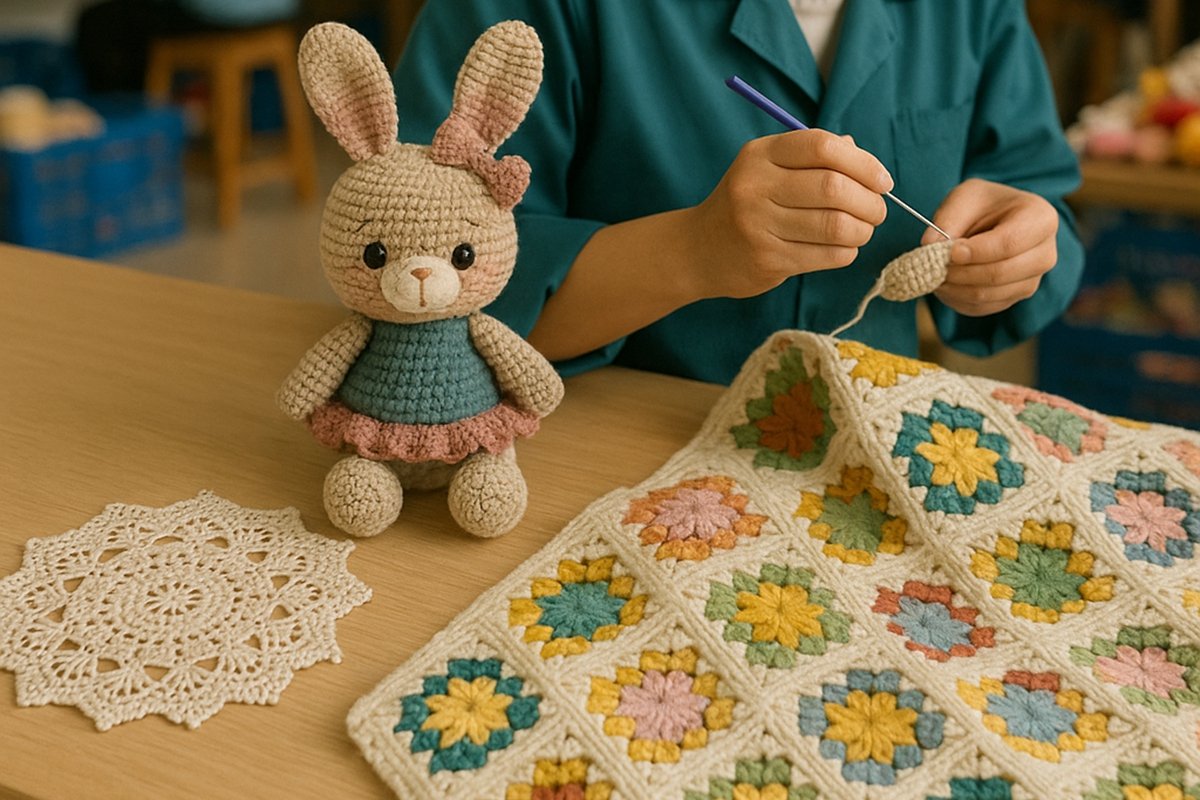
What makes a crochet project “difficult”?
Difficult crochet projects combine skill, patience, and accuracy. They take longer and require tighter control. Here is a simple breakdown:
| Type of Difficulty | What It Looks Like | Why It Is Hard |
|---|---|---|
| Technical | Advanced stitches | Requires precision |
| Structural | Many connected parts | Hard to assemble |
| Visual | Tiny details or shaping | Needs consistency |
| Scale | Large pieces | Needs time and focus |
I learned this when I tried my first multi-piece amigurumi with jointed limbs. The shaping and assembly nearly made me give up. Later, working with experienced artisans showed me how much skill goes into mastering these projects.
Are detailed amigurumi the hardest projects to crochet?
Many creators struggle most with amigurumi because shaping feels unnatural at first.
Yes, detailed amigurumi often rank among the hardest crochet projects because they require tight stitches, precise shaping, and clean assembly.
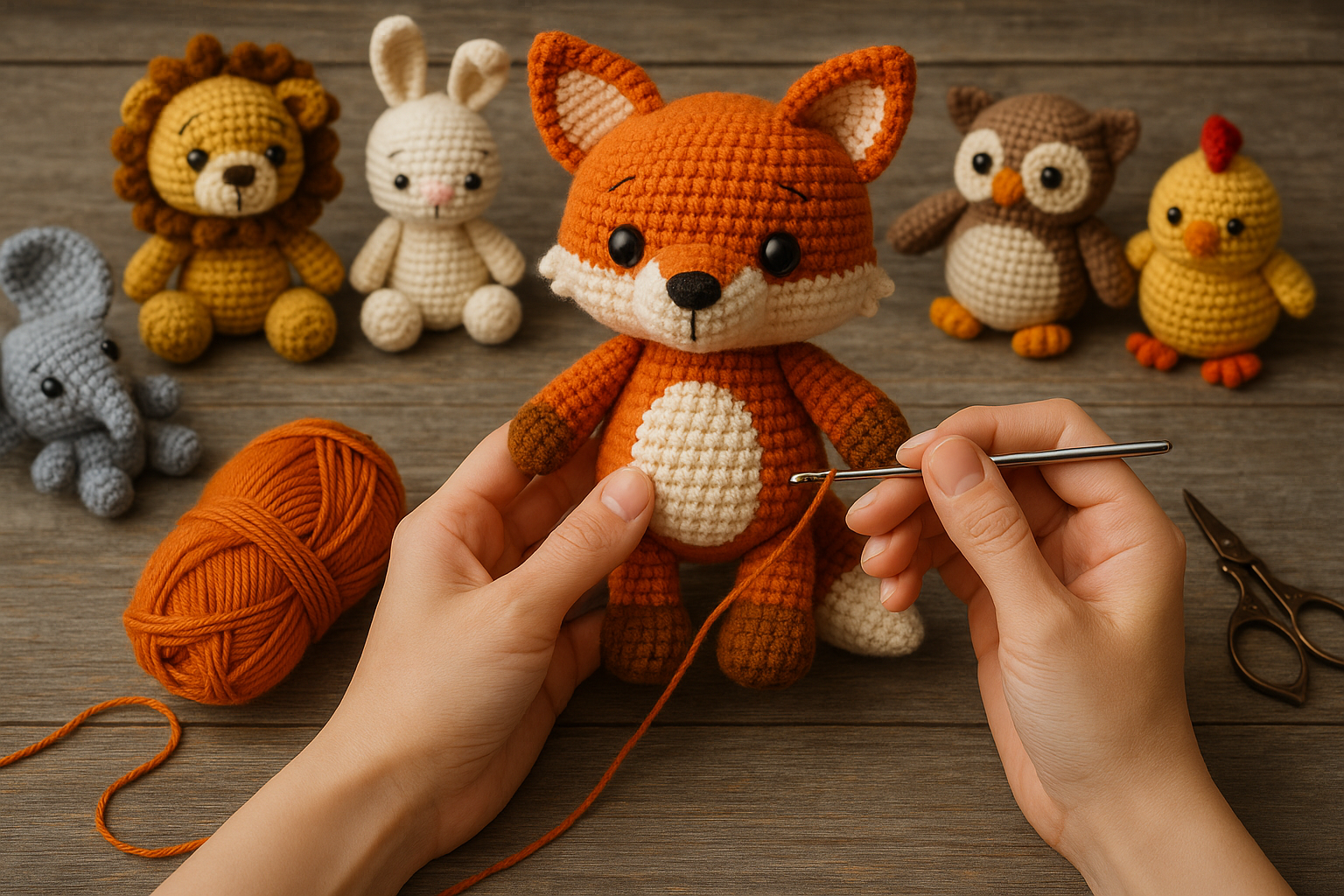
Why are detailed amigurumi so challenging?
Amigurumi with facial features, clothing, accessories, and multiple limbs need both skill and consistency. Here is how the difficulty breaks down:
Why Detailed Amigurumi Are Hard
| Difficulty | What Happens | Why It Matters |
|---|---|---|
| Tight tension | Hands get tired | Shapes must stay firm |
| Many parts | Arms, legs, ears | Assembly becomes tricky |
| Small details | Eyes, clothing | High precision needed |
| Consistency | Must match sample | Hard to repeat by hand |
I have seen many designers create beautiful concepts but struggle with production. This is where UMY’s trained artisans help. They follow patterns carefully and keep every piece consistent, even in large batches.
Are lace patterns and thread crochet among the hardest styles?
Many makers avoid lace because it feels slow and unforgiving, and any small mistake shows immediately.
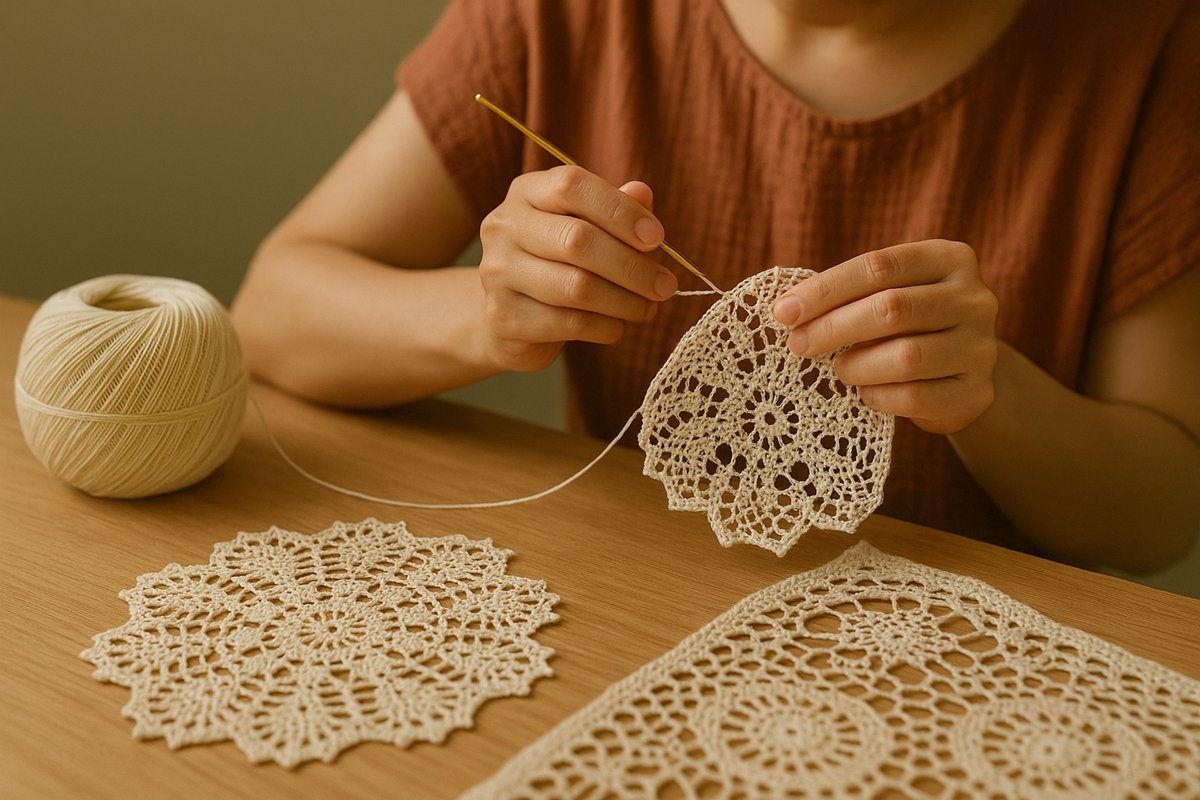
Lacework and thread crochet are difficult because they use thin yarn, small hooks, and long repeat patterns.
Why is lace so advanced?
Lace stitches need clean tension, perfect counting, and strong focus. Mistakes show right away. Here is the breakdown:
Why Crochet Lace Is Challenging
| Challenge | What It Means | Result |
|---|---|---|
| Tiny hooks | Slow progress | Requires patience |
| Thin thread | Hard to control | Mistakes stand out |
| Long repeats | Repeat patterns | Easy to lose track |
| Blocking | Must shape later | Needs careful finishing |
I once tried a doily pattern with a 1.25 mm hook and ended up restarting three times. Lace builds elegance, but it demands discipline.
Are multi-piece blankets and large projects the most time-consuming?
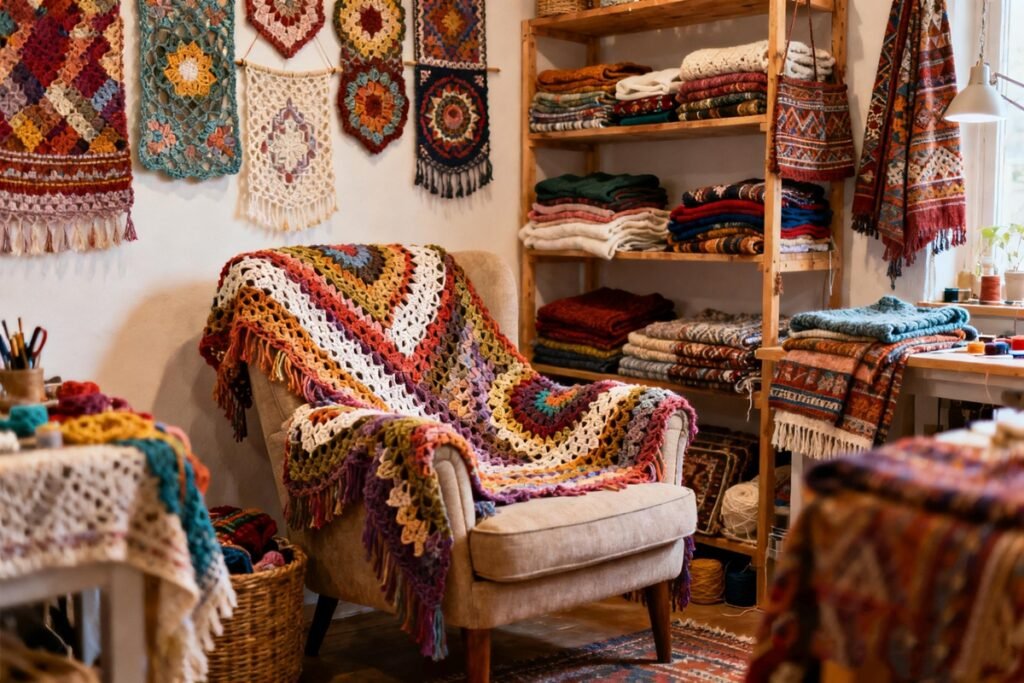
Many people think blankets are easy because they are flat, but advanced blankets with multiple motifs become very challenging.
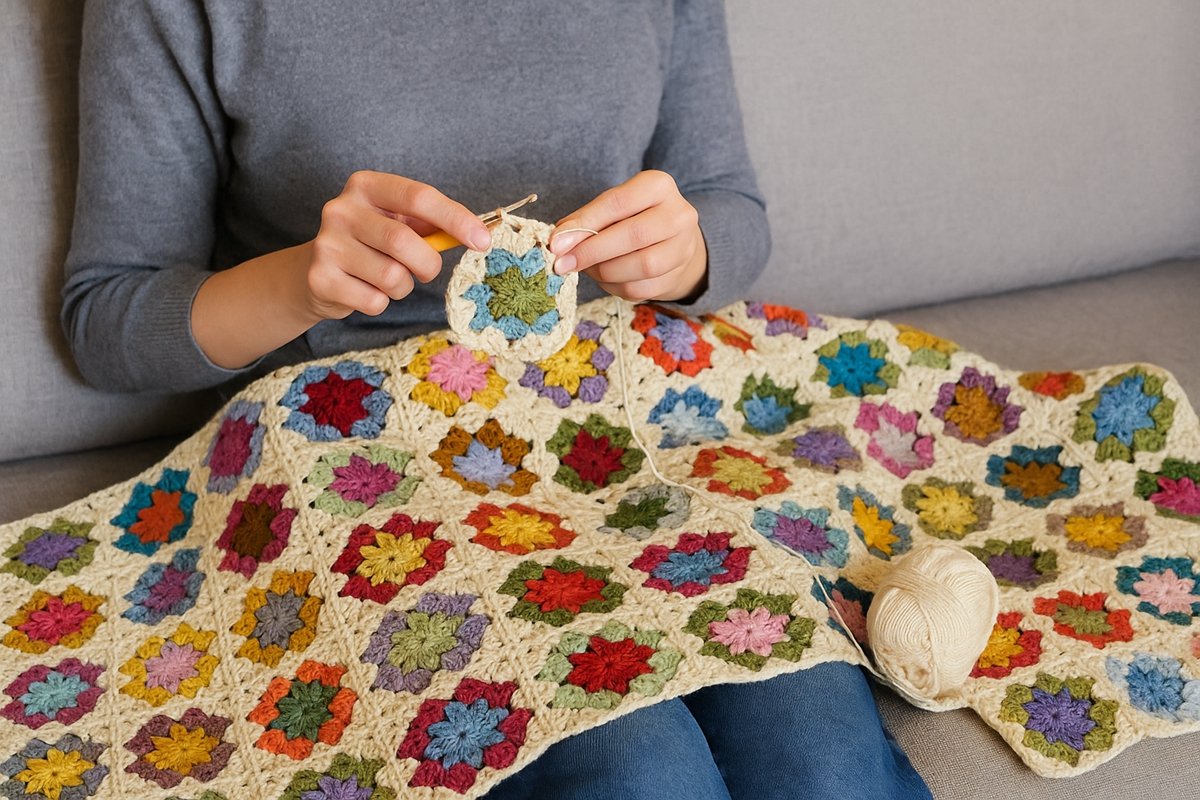
Multi-component blankets are difficult because they involve many motifs, color changes, and long assembly steps.
Why are large multi-piece blankets hard?
Blankets that use granny squares, motifs, or many color changes require both patience and perfect joining. Here is how the difficulty appears:
What Makes Complex Blankets Difficult
| Feature | What Happens | Why It Is Hard |
|---|---|---|
| Many motifs | Dozens of pieces | Takes long hours |
| Color changes | Frequent switching | Slows progress |
| Joining | Must align perfectly | Hard to keep neat |
| Size | Large surface | Heavy and tiring |
I have seen designers struggle to turn these blankets into product lines because of the time and accuracy required. UMY’s artisan team helps brands handle this by dividing work across skilled makers and keeping each motif consistent.
Conclusion
Even the hardest crochet projects become manageable when you understand the challenge and have the right support behind you.

 Chinese