
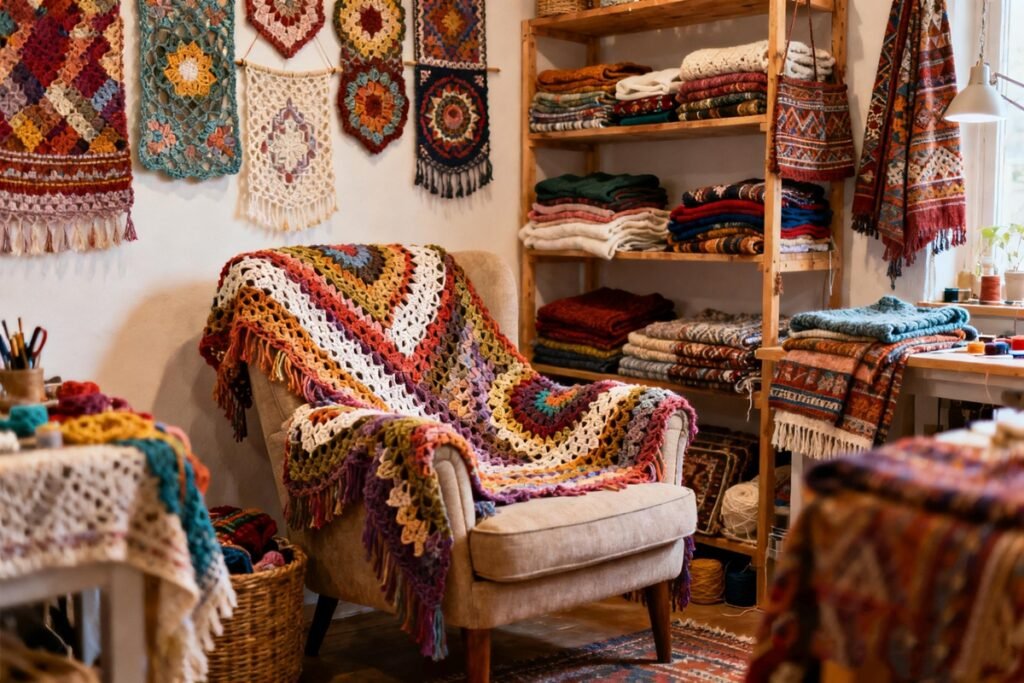
Many people think crochet is old-fashioned. That belief can make brands and makers miss what customers really want right now.
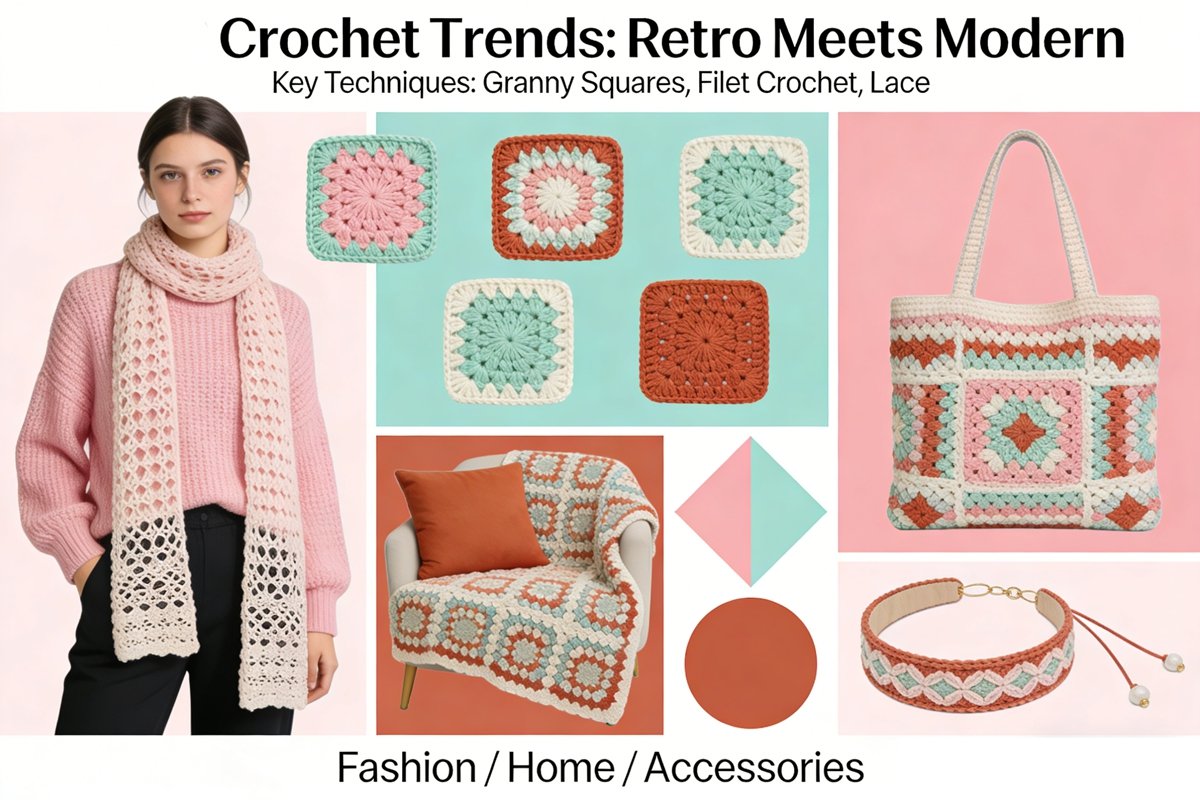
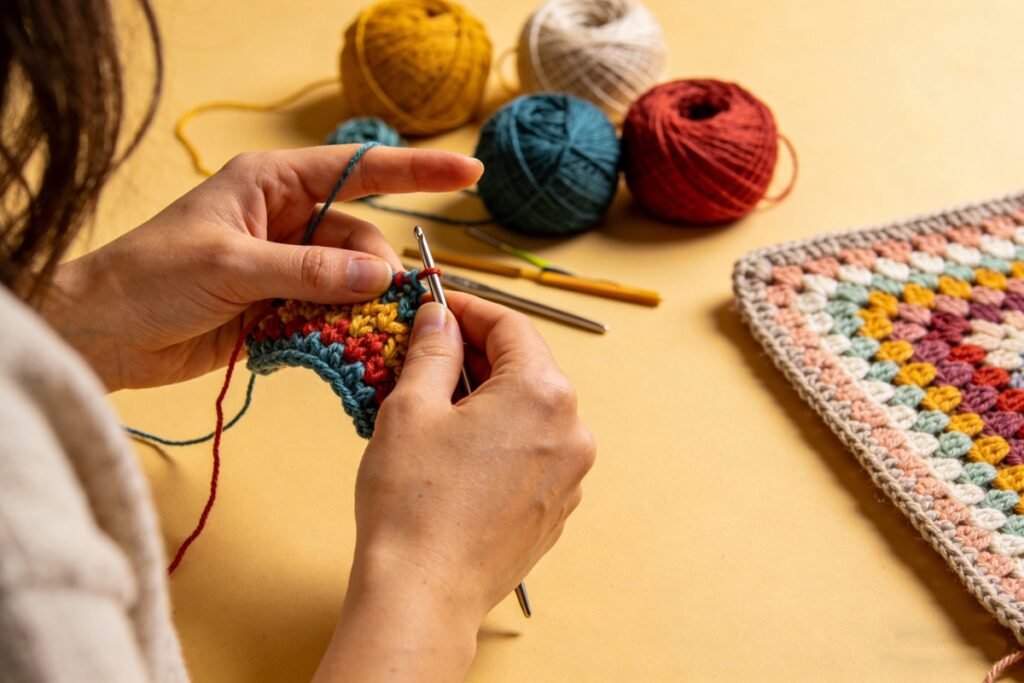
The latest crochet trends blend retro styles with modern design. Vintage techniques like granny squares, filet crochet, and lace textures are returning in fashion, home décor, and accessories, updated with fresh colors, new shapes, and trend-aware styling.
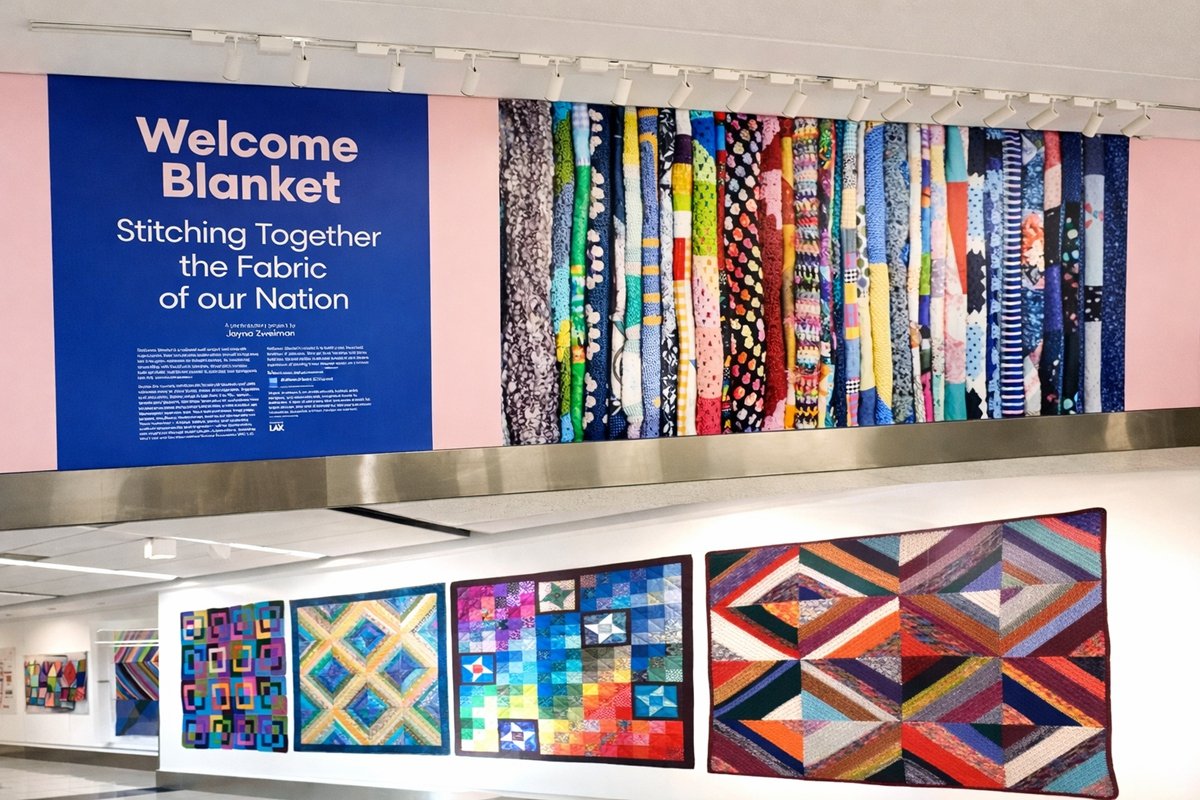
I used to think trends moved away from handmade crafts. Then I saw crochet pieces appear in fashion stores and social feeds again. That made me look closer, and what I found surprised me.
Why Are Retro Crochet Styles Popular Again?
Some people feel bored with mass-produced products. Others want items that feel warm and personal. This shift pushes buyers to look for handmade textures again.
Retro crochet styles are popular because they feel nostalgic yet unique. Techniques like granny squares, lace patterns, and patchwork designs remind people of the past, but designers now use bold colors, modern shapes, and new uses that fit today’s lifestyle.
Old Techniques, New Market Energy
Classic methods are being redesigned
| Retro Technique | Traditional Use | Modern Update |
|---|---|---|
| Granny Squares | Blankets, throws | Fashion tops, bags, cardigans |
| Filet Crochet | Tablecloths, curtains | Wall art, statement panels |
| Lace Crochet | Doilies, trims | Dresses, sleeves, accessories |
| Patchwork Crochet | Quilts, afghans | Color-block garments and décor |
I see that customers enjoy the story behind these designs. They feel connected to memory and craft. At the same time, they want products that match modern homes and outfits. Designers solve this by changing scale, color palettes, and product types.
For example, granny squares now appear in crop tops and shoulder bags. Filet crochet patterns become framed wall décor. Lace textures show up in summer fashion. These updates keep the craft familiar but fresh.
At UMY, we often help brands translate these ideas into production-ready items. We adjust yarn weight, color consistency, and sizing so the retro look stays clear while the product fits modern retail needs. That balance helps handmade style meet today’s quality expectations.
How Do Modern Brands Turn Trends into Sellable Products?
Following a trend is easy. Turning it into a product line that sells well is harder. Brands must think about cost, consistency, and customer use.
Modern brands succeed by adapting crochet trends into practical, repeatable designs. They choose patterns that look detailed but can be produced consistently. They also match trend colors with seasonal demand and create collections instead of single items.
Trend to Product: What Brands Consider
Turning inspiration into real collections
| Step | Key Focus | Why It Matters |
|---|---|---|
| Trend Selection | Visual impact and popularity | Ensures customer interest |
| Design Simplification | Clear shapes and repeatable stitches | Keeps production stable |
| Color Planning | Trend colors + brand identity | Builds a recognizable line |
| Product Range | Matching items (bags, décor, wearables) | Increases order value |
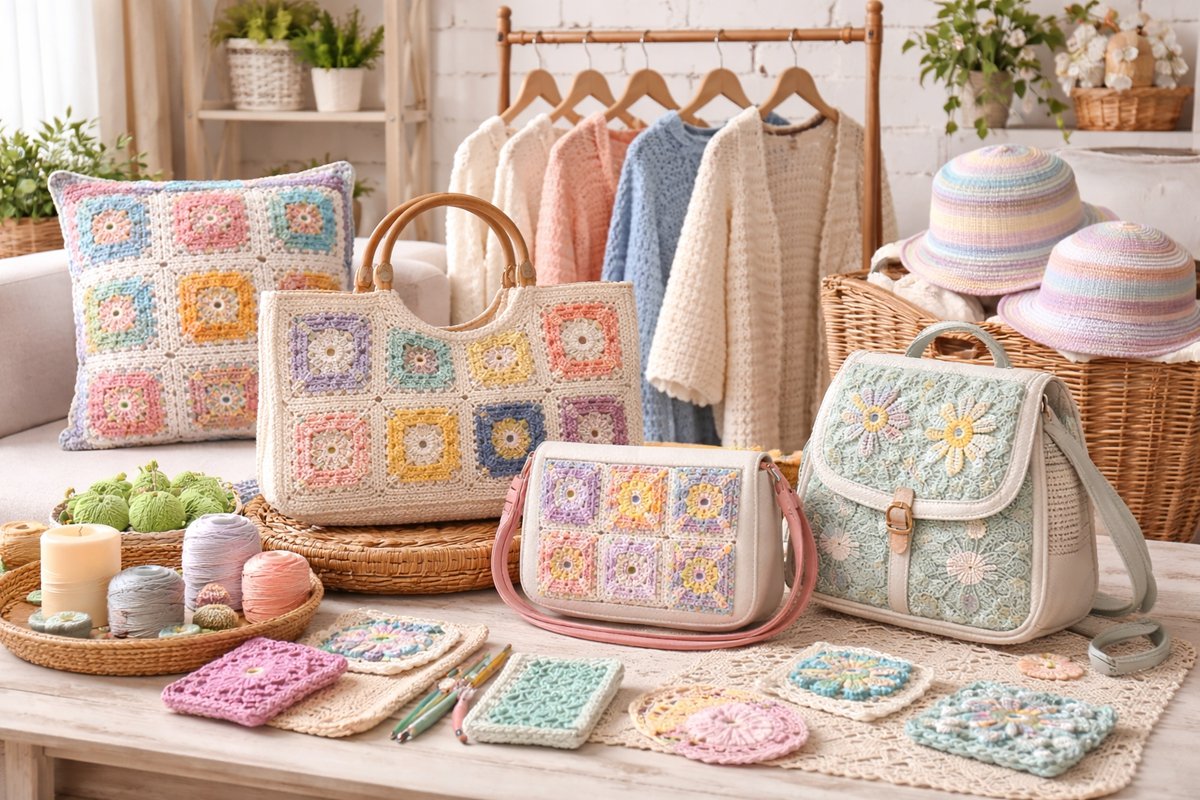
I often notice that one strong design is not enough. Buyers like collections. A granny square pattern can become a bag, cushion cover, and cardigan. This creates a full story on the shelf.
Production also plays a role. Handmade texture must stay consistent across pieces. That requires clear patterns, trained artisans, and steady materials. Without that, the trend look becomes uneven.
At UMY, we work with brands to keep the handmade feel while maintaining quality control. We test yarn types, stitch density, and finishing methods. This helps retro-inspired designs look good not only in photos but also in real stores.
Conclusion
Crochet trends today mix memory with modern style. When classic techniques meet thoughtful design and steady production, they turn into products that feel both meaningful and ready for today’s market.

 Chinese