
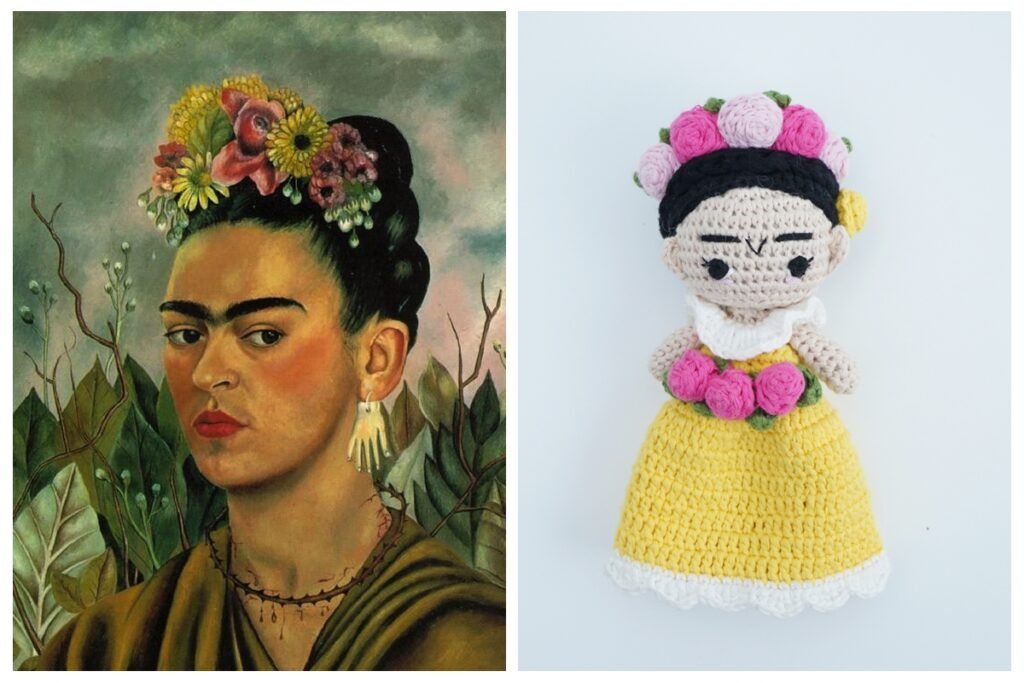
From a Single Mascot Idea to a Complete Cultural Product Line
Museum gift shops face a unique challenge.
Unlike traditional retailers, they are not simply selling products—they are extending the visitor experience beyond the exhibition itself.
Visitors want souvenirs that feel meaningful, memorable, and connected to the stories they encountered inside the museum.
Over the past 12 years at UMY Crochet Factory, we have worked with museum stores, cultural institutions, gift companies, and retailers across more than 150 countries and regions. One thing we have consistently observed is that the most successful museum souvenirs are rarely standalone products.
They are collections.
This article shares how one museum gift shop transformed a simple crochet mascot idea into a complete souvenir collection—and what other museums and cultural retailers can learn from the process.
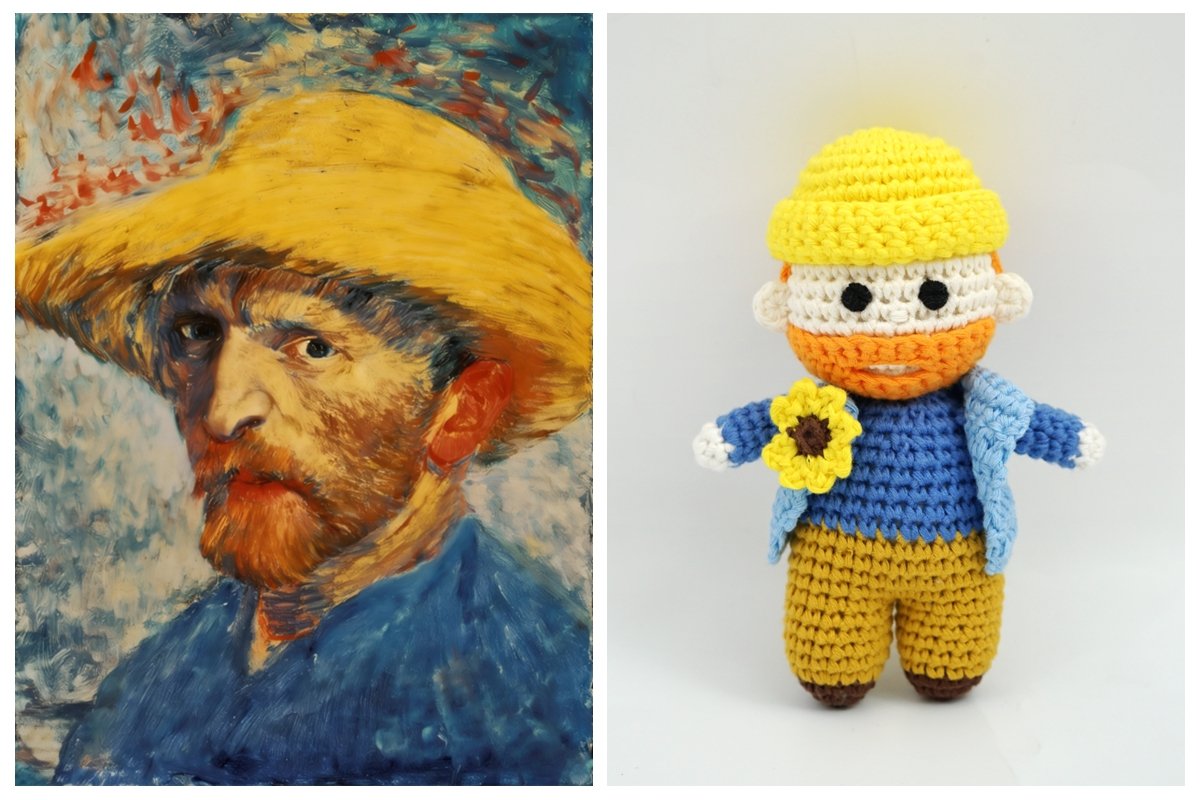
The Challenge: Turning Culture Into a Product
The museum initially approached us with a straightforward request:
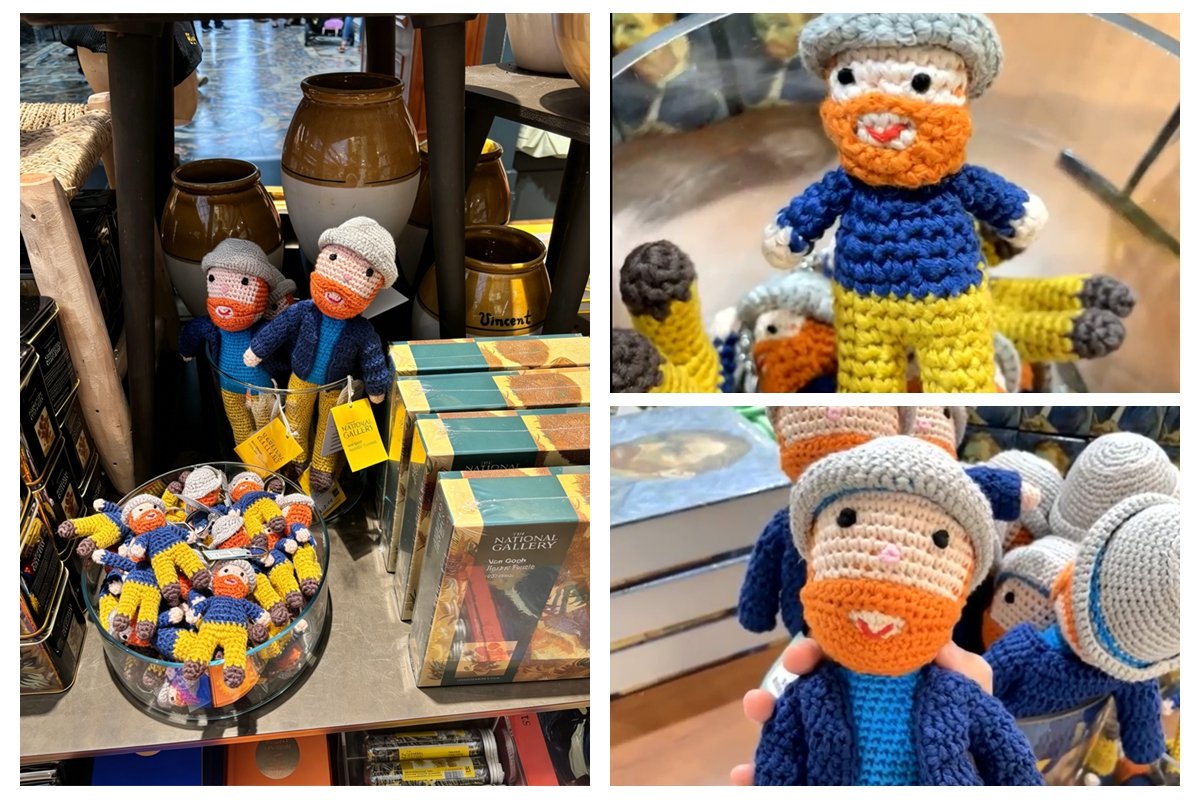
They wanted to create a crochet souvenir inspired by one of their most recognizable cultural symbols.
Like many museum buyers, their first idea was relatively simple:
- One mascot design
- One product size
- One retail price
- One gift-shop placement
However, after discussing the project in more detail, several important questions emerged:
- Would visitors of different ages respond to the same product?
- Could the product work as both a souvenir and a gift?
- How could the museum encourage repeat purchases?
- Would one item be enough to represent the exhibition?
These questions shifted the conversation from:
"How do we create a product?"
to:
"How do we create a memorable experience?"
Step 1: Defining the Story Behind the Collection
One lesson we have learned from museum projects is that visitors rarely buy souvenirs simply because they need them.
They buy them because they want to remember something.
Before any sampling began, we worked with the museum team to identify:
- The cultural significance of the mascot
- The historical story behind it
- The target audience
- The emotional message the museum wanted visitors to take home
This step became the foundation of the entire collection.
Because crochet products are handmade, they naturally communicate warmth, craftsmanship, and storytelling—qualities that align closely with the mission of many museums.
Step 2: Starting Small Instead of Launching Everything at Once
Initially, the museum considered launching more than ten different products simultaneously.
However, based on our experience supporting museum stores and gift brands, we recommended a smaller pilot collection.
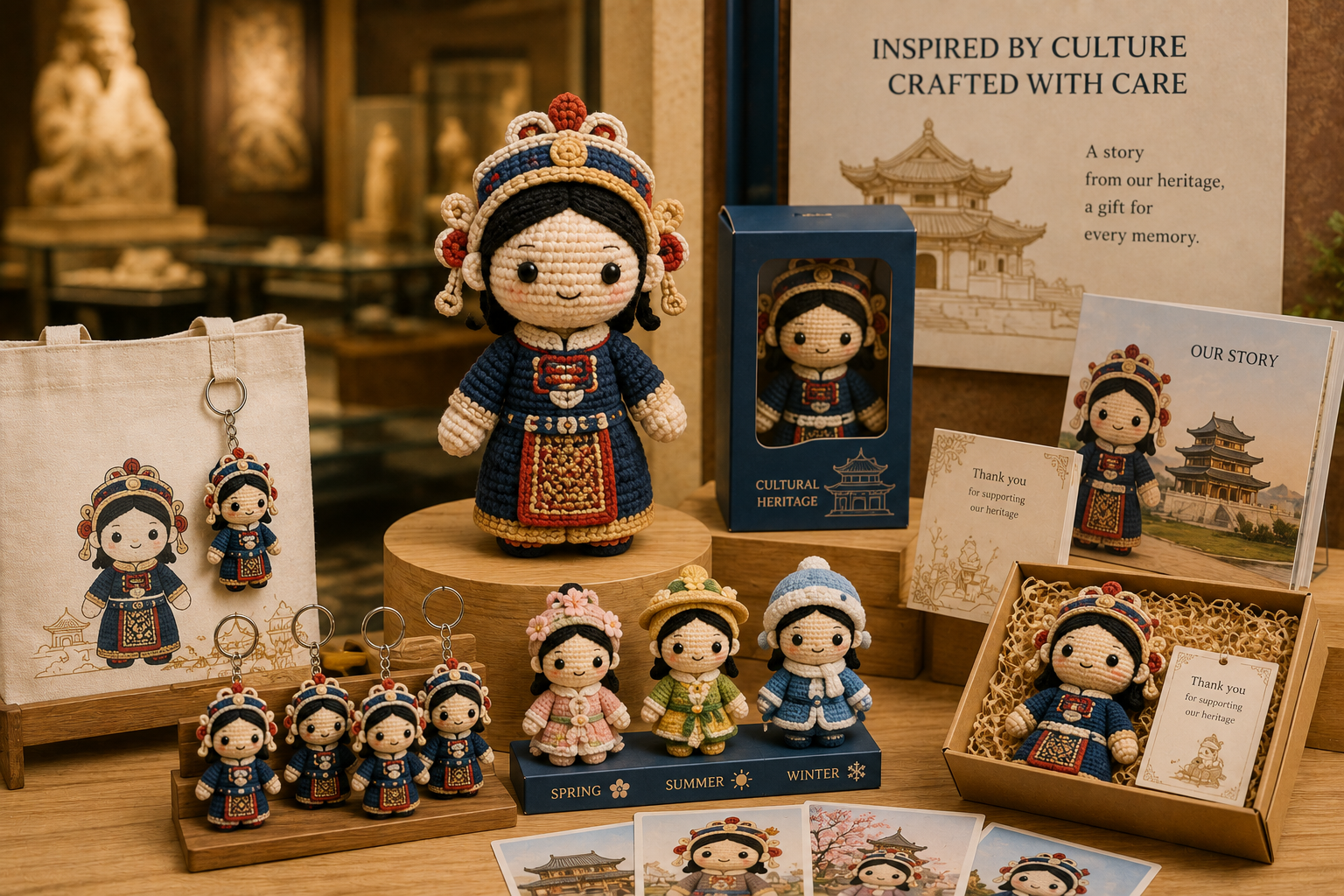
The first launch included:
| Product Type | Purpose |
|---|---|
| Crochet mascot doll | Hero product |
| Mini keychains | Entry-level souvenir |
| Story card | Cultural education |
| Gift packaging | Premium presentation |
This strategy allowed the museum to:
✓ Reduce inventory risk.
✓ Test visitor preferences.
✓ Compare price points.
✓ Collect feedback before expanding.
Over the years, we have observed that successful museum collections often begin with a limited release before gradually growing into larger product programs.
Step 3: Designing for Different Types of Visitors
Museum visitors are diverse.
Some visitors look for affordable keepsakes.
Others want premium gifts.
Families often shop differently from collectors.
To address these different needs, the collection was designed around multiple price levels:
| Visitor Type | Product Example |
|---|---|
| Casual visitor | Crochet keychain |
| Family visitor | Medium-sized mascot |
| Collector | Gift-box edition |
| Corporate buyer | Customized souvenir set |
One thing we consistently observe across museum projects is:
The most successful souvenir programs offer visitors choices rather than a single product.
Step 4: Using Packaging to Extend the Museum Experience
Packaging became an essential part of the project.
Rather than treating the box as simple protection, the museum wanted it to reinforce the story behind the collection.
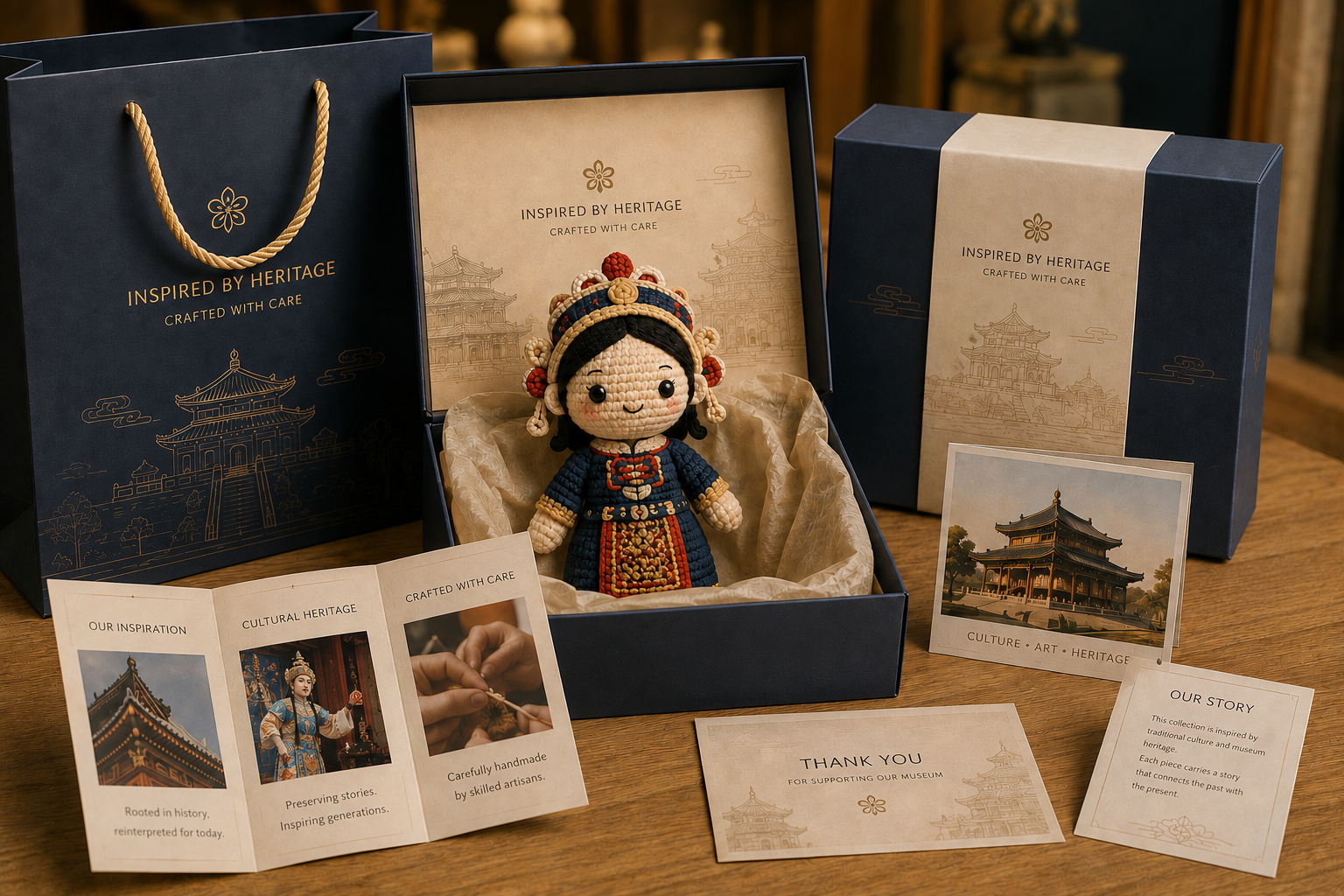
The final packaging included:
- Museum branding
- Cultural background information
- Exhibition-inspired colors
- Gift-ready presentation
- Story cards
Many buyers underestimate the role packaging plays in souvenir sales.
In reality, visitors often experience the packaging and the product as a single emotional experience.
Step 5: Testing Before Scaling
Before committing to larger production volumes, the museum launched the collection in a limited number of stores.
The team observed:
- Which products attracted attention first
- Which price points performed best
- Which items visitors purchased together
- Which products generated conversations
Interestingly, the museum discovered that visitors were not only buying the hero mascot.
Many customers preferred:
- Gift bundles
- Seasonal variations
- Small collectible accessories
This testing phase provided valuable insights that shaped future product development.
One lesson we have learned from museum projects is:
Small experiments often reveal opportunities that large assumptions miss.
Step 6: Expanding From One Product to a Collection
Following the successful launch, the museum gradually expanded the program.
New additions included:
- Seasonal mascot editions
- Limited holiday releases
- Educational gift sets
- Children's products
- Collectible series
What began as a single crochet souvenir evolved into a broader cultural collection.
More importantly, the collection encouraged repeat purchases and gave visitors new reasons to return to the museum store.
Why Crochet Works Especially Well for Museum Souvenirs
After supporting museum projects across multiple markets, we have identified several reasons why crochet products perform particularly well in cultural retail environments.
Handmade Craftsmanship Reflects Cultural Value
Museums celebrate history, creativity, and craftsmanship.
Handmade crochet naturally reinforces those values.
Crochet Products Create Emotional Connections
Visitors often associate handmade products with:
- Warmth
- Nostalgia
- Authenticity
- Human stories
Crochet Adapts Easily to Different Themes
Crochet can be transformed into:
- Historical characters
- Animals
- Cultural symbols
- Architecture-inspired products
- Educational collections
Collections Encourage Repeat Purchases
Unlike traditional souvenirs, crochet collections can continue evolving over time.
Visitors who purchase one item often return for additional products later.
Common Mistakes Museums Make When Developing Souvenirs
After working with museum stores and cultural brands across more than 150 countries and regions, we have noticed several recurring challenges.
Launching Too Many Products Too Early
Large collections increase inventory risk and make testing more difficult.
Focusing Only on Product Design
Successful souvenirs require:
- Storytelling
- Packaging
- Pricing strategy
- Retail presentation
Ignoring Different Visitor Segments
Families, tourists, collectors, and children often have different expectations.
Treating Souvenirs as Individual Products
The strongest museum programs are built around collections rather than standalone items.
What We Have Learned From Museum Retail Projects
Over the past 12 years, we have supported museums, cultural institutions, gift brands, and retailers around the world.
Across these projects, several patterns consistently emerge:
✓ Visitors value stories as much as products.
✓ Small pilot launches reduce risk.
✓ Packaging influences perceived value.
✓ Collections outperform isolated products.
✓ Handmade craftsmanship aligns naturally with cultural experiences.
One thing we have consistently observed is:
Successful museum souvenirs do more than generate sales—they help visitors carry memories home.
UMY Crochet Factory at a Glance
Since 2013, UMY has specialized exclusively in crochet manufacturing.
Today, we support:
- Museum stores
- Cultural institutions
- Gift brands
- Retailers
- Distributors
- Corporate buyers
across more than 150 countries and regions.
Our capabilities include:
- 12+ years of crochet manufacturing experience
- 2,000+ artisan production network
- OEM and ODM development
- Museum souvenir collection planning
- Sample development within approximately 7–15 working days
- Packaging customization
- International quality management systems
- Gift-set and collection development
Our goal is not simply to manufacture products, but to help customers transform stories into meaningful collections.
Frequently Asked Questions
Why do museums choose crochet products?
Should museums launch a full collection immediately?
In most cases, museums benefit from starting with a smaller collection and expanding based on customer feedback.
What types of crochet products work best in museum stores?
Popular options include:
- Mascot dolls
- Keychains
- Gift sets
- Seasonal collections
- Educational products
How important is packaging for museum souvenirs?
How long does it take to develop a crochet souvenir collection?
Depending on complexity, sampling, packaging, and revisions, development typically takes several weeks to several months.
Final Thoughts
Developing a successful museum souvenir program involves much more than creating a single product.
After supporting museum projects across more than 150 countries and regions, we have learned that the strongest collections are built around stories, experiences, and long-term thinking.
A thoughtfully designed crochet collection can help museums:
✓ Extend the exhibition experience.
✓ Strengthen emotional connections.
✓ Encourage repeat purchases.
✓ Increase retail value.
✓ Create lasting memories.
Rather than asking:
"What souvenir should we sell?"
Successful museum stores ask:
"What story do we want visitors to take home?"
That shift in perspective often transforms products into experiences.
Planning a Museum Crochet Collection?
At UMY Crochet Factory, we work with museums, cultural institutions, and gift brands to develop crochet souvenirs that combine craftsmanship, storytelling, and retail strategy.
Whether you are developing your first mascot or expanding an existing collection, our team is ready to help bring your ideas to life.
Contact us today to discuss your next project.
 Chinese