
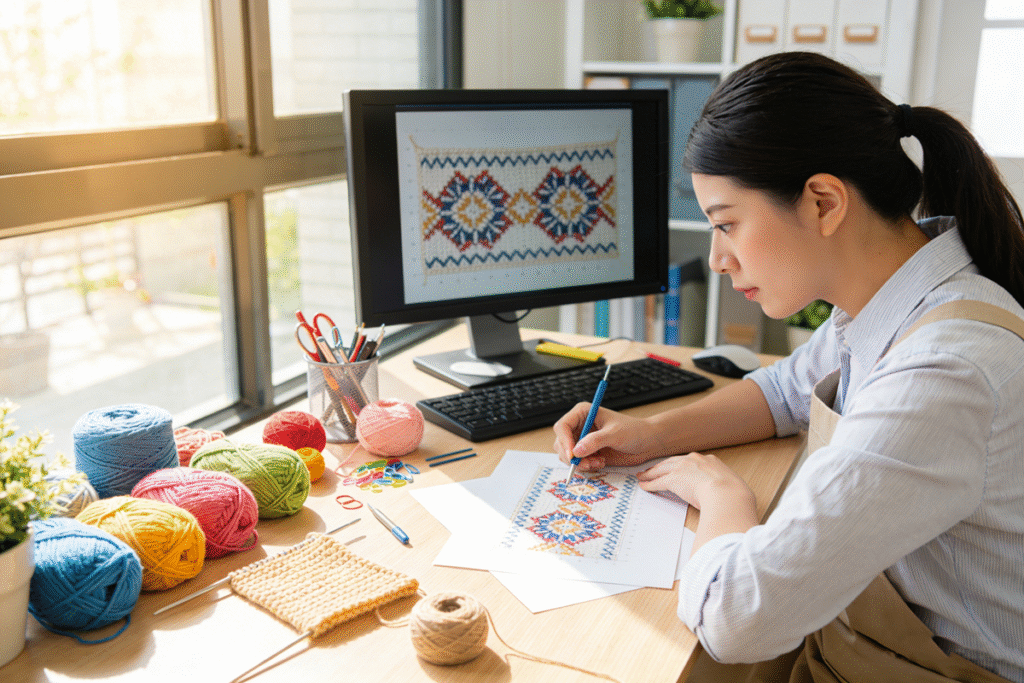
When I first started my crochet business, I was excited by the endless possibilities. But soon, I realized the real challenge: standing out in a market full of imitators and competitors.
The biggest threats to a crochet business are competition, imitation, and scalability. These challenges can hinder growth unless brands focus on consistent quality, unique design, and reliable production.
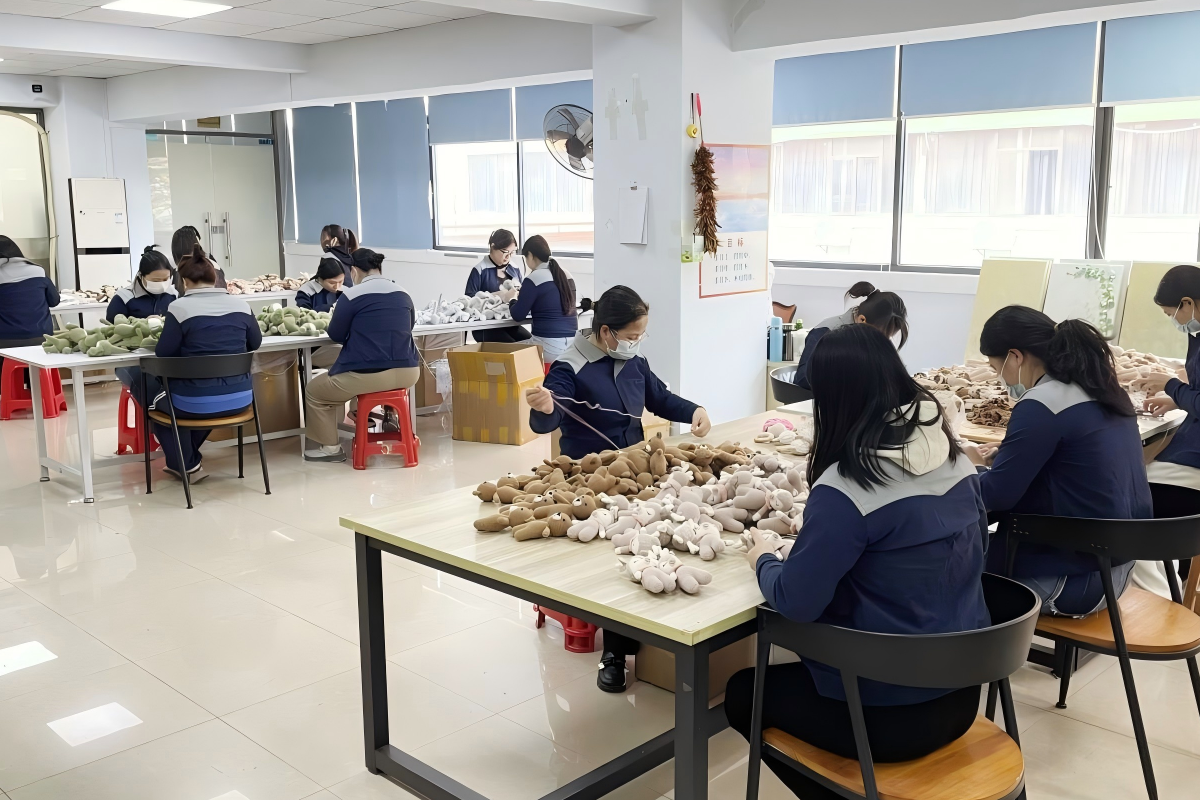
Every business faces challenges, but in crochet, these threats are particularly intense because creativity is both the product and the selling point.
Threats to the Crochet Business: Standing Out Through Design, Quality, and Reliable Production
As competition increases, standing out requires more than good patterns. Brands need to combine creativity with structure and support.
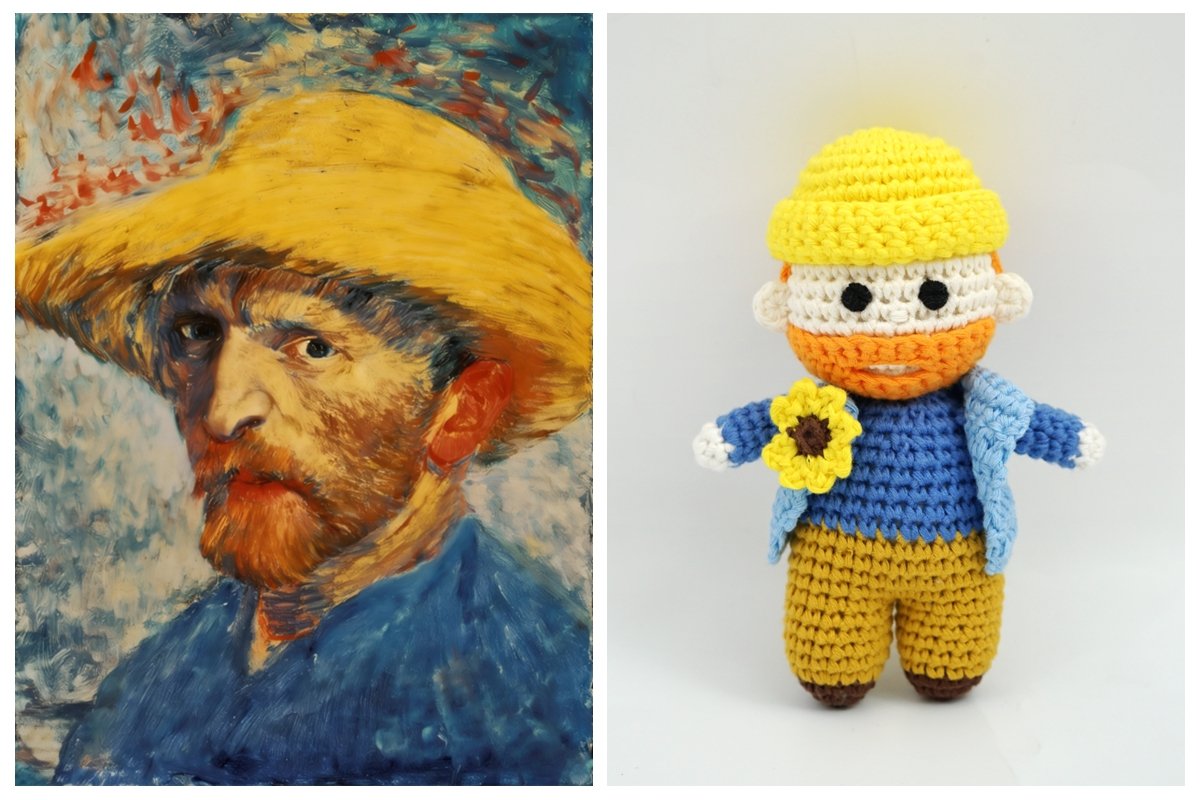
Why Imitation Is a Constant Threat to Crochet Businesses
I quickly realized that as soon as a design became popular, someone would replicate it. Crochet is no different from other creative industries in this sense. The faster your designs hit the market, the sooner someone will copy them. Imitators may undercut prices, but their quality often lacks consistency.
In the early stages of my business, I was often frustrated by competitors copying my products. But I learned that while they may replicate a design, they can't replicate the love and skill that go into creating it. This realization shifted my focus to strengthening what truly set me apart.
| Threat | Impact | What You Can Do |
|---|---|---|
| Imitation | Lowers pricing power | Focus on uniqueness and quality |
| Low-quality competitors | Damages brand perception | Build a strong brand reputation |
| Copycat products | Reduces customer loyalty | Deliver more value through innovation |
UMY’s professional crochet factory ensures the designs we create are hard to replicate at scale. With their consistent quality and expert craftsmanship, we can stay ahead of the competition and deliver what customers love.
The Challenge of New Market Entrants
Crochet has been experiencing a surge in popularity. While this brings new opportunities, it also means new competitors are entering the market constantly.

How New Entrants Affect the Crochet Business
When I started, there were fewer crochet businesses competing for attention. But as demand for handmade products grew, more people started selling crochet items. Now, it’s harder to be noticed unless you stand out with something special.
I learned that having a clear brand identity was key. Whether through storytelling, unique product features, or targeting niche markets, distinguishing yourself helps cut through the noise.
Here’s a snapshot of how the market has evolved:
| Market Change | Challenge | Solution |
|---|---|---|
| Increased demand | More competitors | Develop a unique selling proposition (USP) |
| Social media growth | Noise from countless businesses | Focus on storytelling and consistency |
| Online platforms | Easy access for all | Maintain high standards of quality and service |
At UMY, I get access to a team that helps develop exclusive designs, which means we can keep offering something new to customers, even in a crowded market.
The Difficulty of Scaling Handmade Products
As orders increased, I realized that one of the biggest threats to my crochet business was scalability. Handmade products are unique, but they are also labor-intensive.
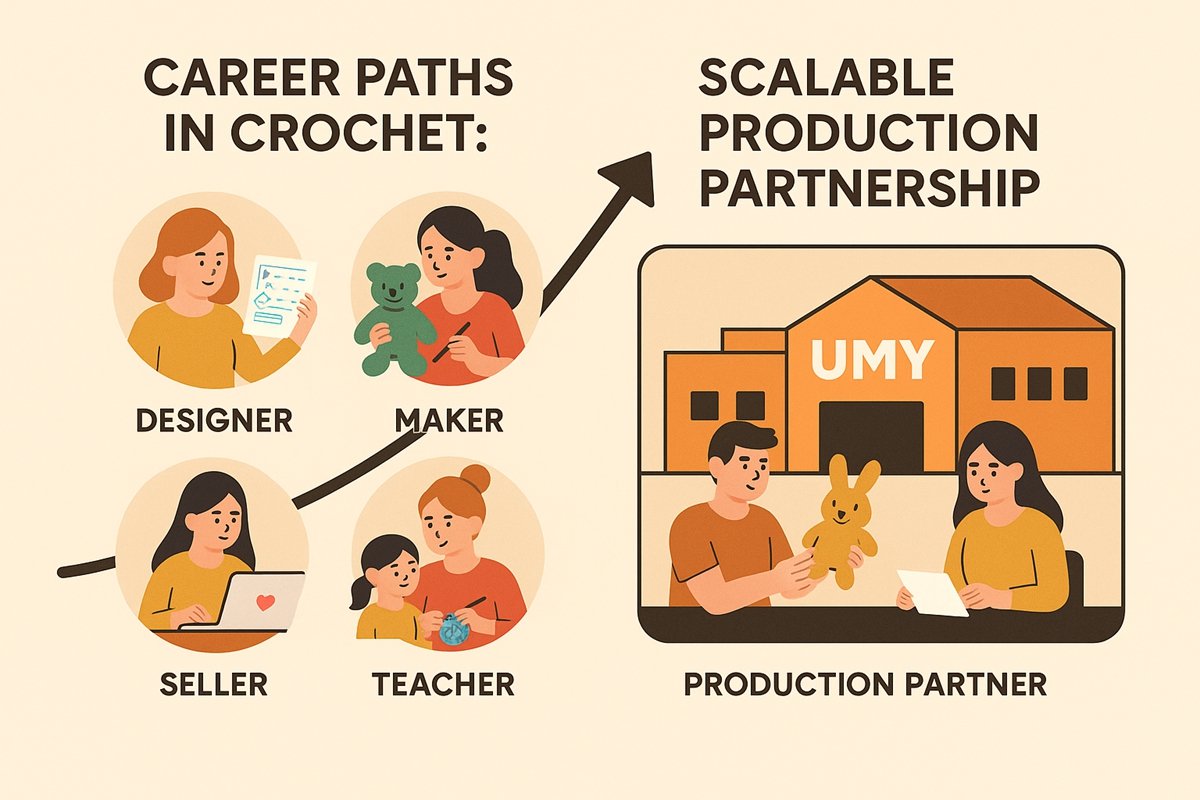
Why Scaling Crochet Is a Challenge
In the early days, I could manage production myself. But once demand grew, it became impossible to keep up without compromising quality. I wanted to maintain the "handmade" feel but also meet larger order volumes, which was a tough balance.
I quickly learned that scaling a crochet business requires more than just more hands; it requires efficient processes, reliable partners, and a strategy that ensures consistency at every level.
Here is what scaling looks like in crochet:
| Stage | Problem | Solution |
|---|---|---|
| Small orders | Personal control | High quality |
| Mid-scale | More hands needed | UMY production scale |
| Large orders | Consistency challenge | Stable production and quality control |
UMY’s scalable production system provides the solution. Their capacity to meet high demand without sacrificing the handmade look helps me grow my business without sacrificing quality.
Threats from Evolving Consumer Expectations
The crochet market is evolving. Customers want more than just quality; they seek experience, ethical production, and customization.
How Consumer Expectations Impact Crochet Businesses
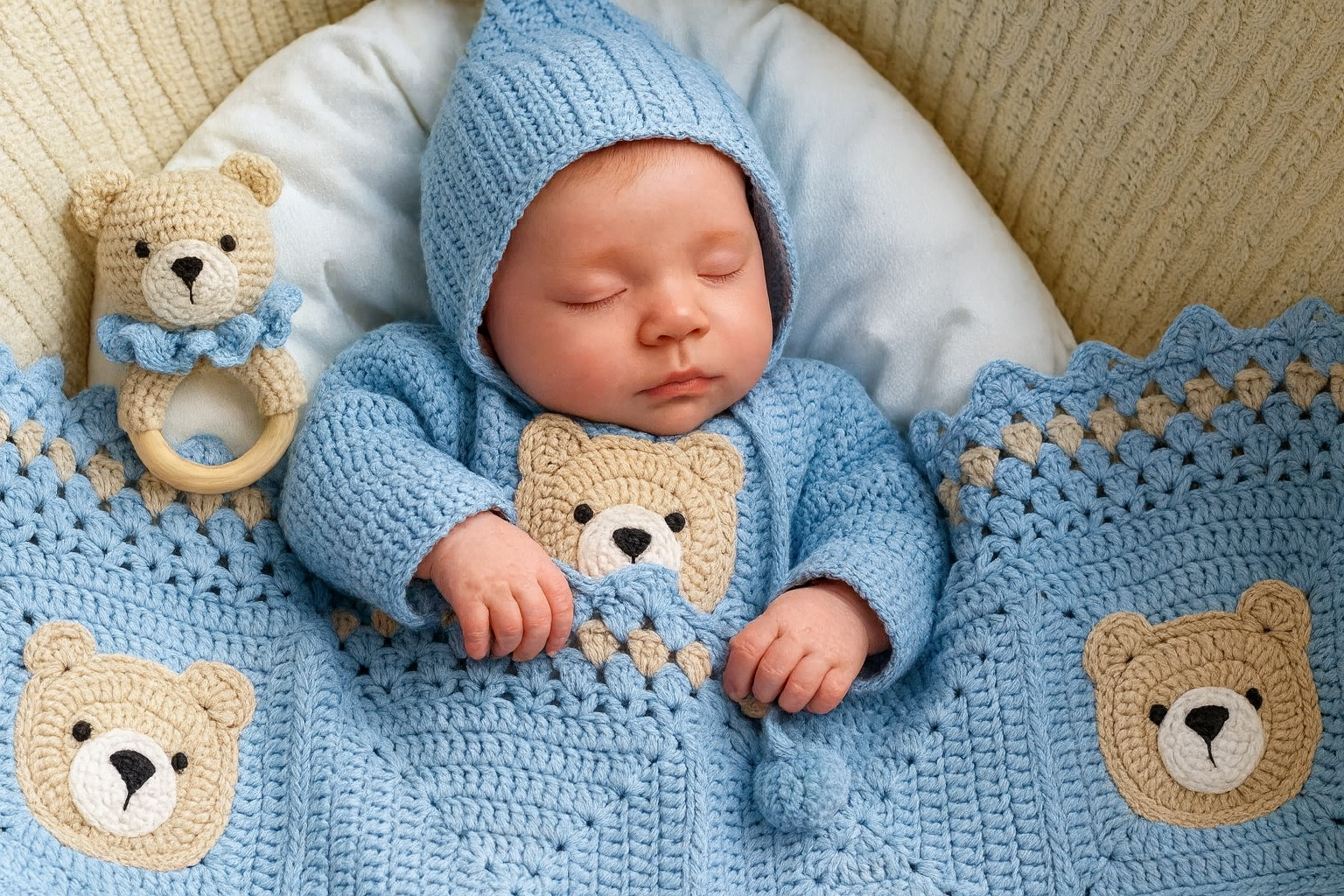
In the beginning, I focused solely on price and design. But soon, I realized that today's consumers expect more from brands. They want personalized products. They want sustainability. They want to feel good about their purchases.
These shifting expectations can feel overwhelming. But I learned that responding to these needs helps foster loyalty and trust. Focusing on sustainability, offering customizable products, and maintaining transparency are some of the ways to stay ahead.
| Consumer Expectation | Impact | How to Address |
|---|---|---|
| Customization | Requires more resources | Offer limited editions or bespoke options |
| Sustainability | Increases competition | Focus on eco-friendly practices and materials |
| Ethical production | Demands transparency | Partner with responsible suppliers, like UMY |
By working with UMY, I ensure that each piece is produced with high ethical standards and sustainability in mind. This is one way I can offer customers the experience they expect.
The Risk of Inconsistent Product Quality
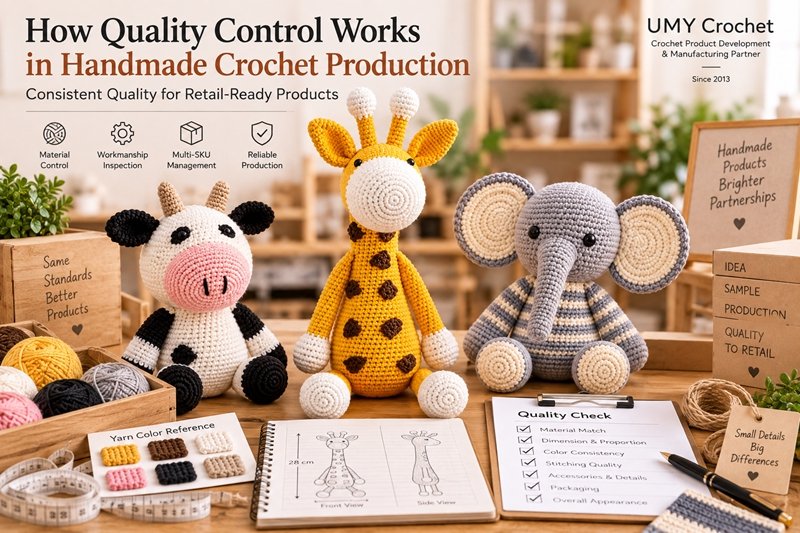
I quickly learned that if my crochet products weren't perfect, they wouldn’t sell. Quality control is crucial to keeping customers happy and protecting your reputation.
Why Inconsistent Quality is a Business Threat
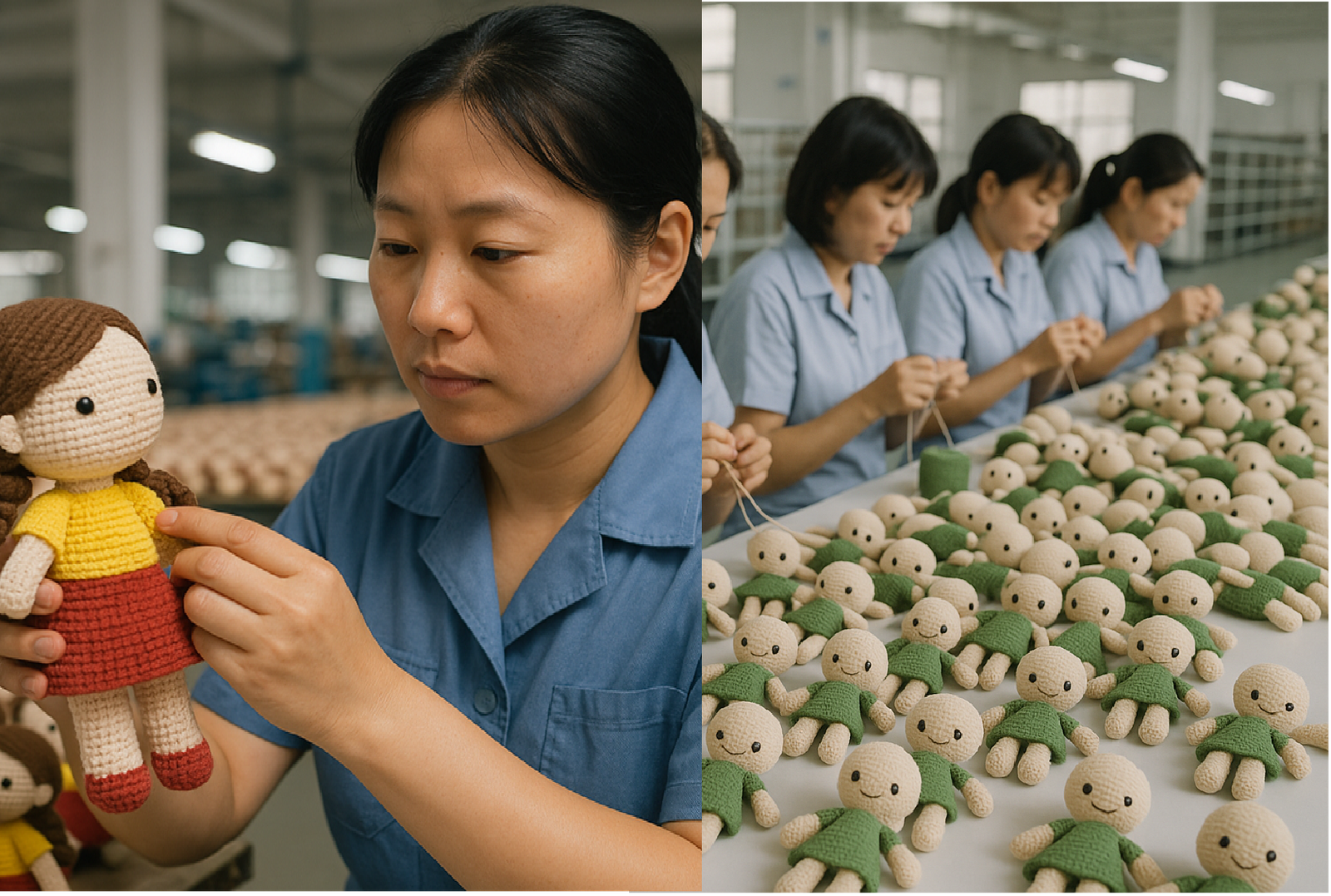
When crochet pieces vary in quality, customers notice. A slight difference in stitch tightness, yarn choice, or color consistency can lead to returns, complaints, and negative reviews.
I made sure that my production process was as standardized as possible. This gave my customers confidence in the products they were receiving.
| Quality Issue | Impact | Solution |
|---|---|---|
| Stitch variation | Lowered trust | Set up clear quality standards |
| Color inconsistency | Customer dissatisfaction | Work with a reliable factory |
| Product defects | Damaged brand | Build a strict quality control process |
UMY offers a professional solution to this threat by ensuring that each crochet product meets high quality standards. This consistency not only builds trust with customers but also strengthens my brand.
Conclusion
Crochet businesses face threats from imitation, new competitors, scalability issues, and evolving consumer demands. But by partnering with UMY for quality and reliable production, brands can navigate these challenges and build long-term success.
 Chinese