
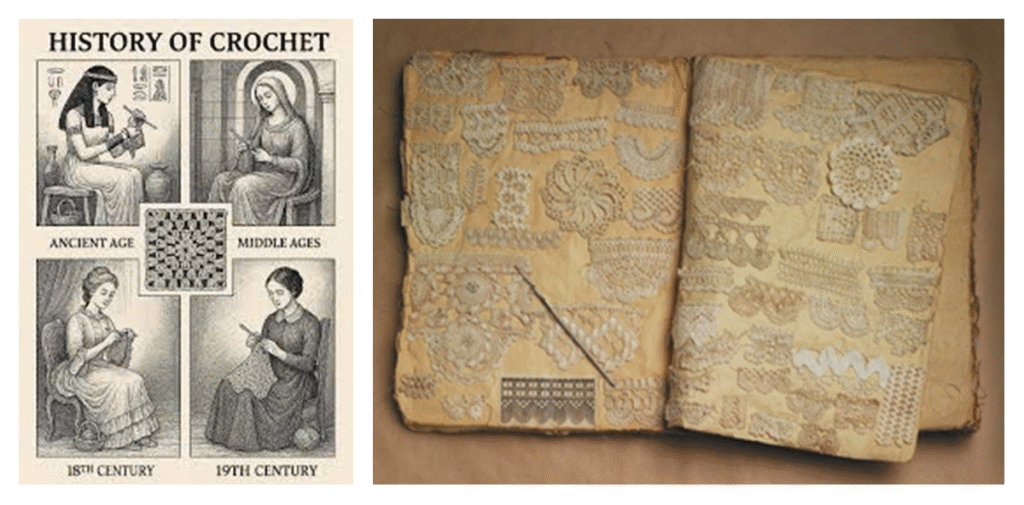
I once tried to label crochet with one culture. That question caused confusion. Crochet refused the label and taught me something larger about shared human making.
Crochet has no single ethnicity. It developed across regions like Arabia, Europe, and South America, shaped by many cultures over time rather than owned by one group.

When I understood this, my view changed. Crochet stopped feeling distant. It started to feel human and shared. That idea still guides how I see this craft today.
Why doesn’t crochet belong to one ethnicity?
Many people want clear origins. That desire is natural. But crochet does not follow straight lines.
Crochet evolved through cultural exchange, migration, and adaptation, which means no single ethnicity can claim it as their own.
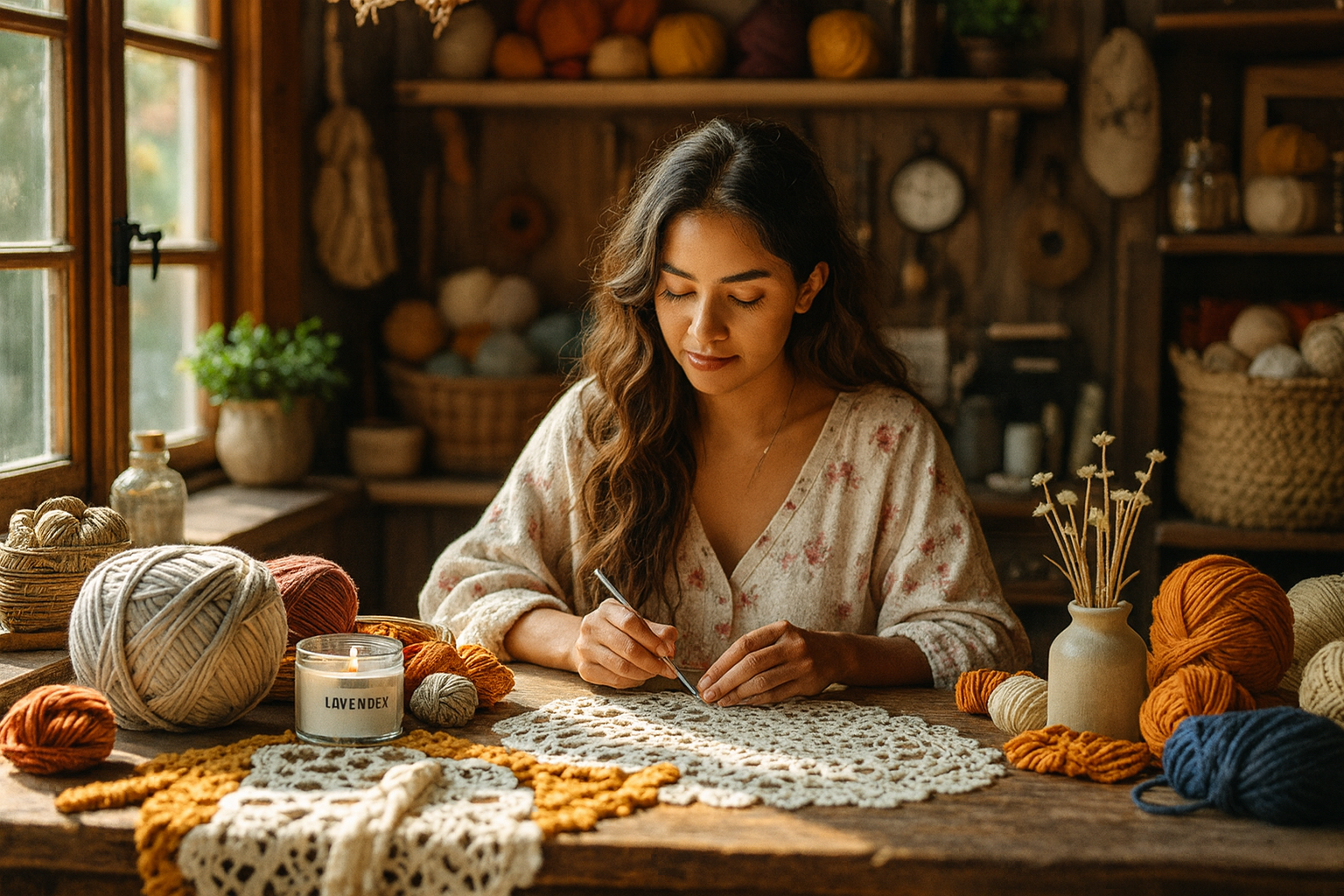
How crochet traveled across cultures
I learned that crochet moved the way people move. It followed trade routes and daily needs.
| Region | Contribution |
|---|---|
| Arabia | Early hook techniques |
| Europe | Pattern systems |
| South America | Decorative expression |
Each culture added something useful. No culture erased another. This layering explains why crochet styles vary so widely today.
For me, this matters deeply. It shows that crochet grew through sharing, not ownership. At UMY, this belief shapes how we work with global designs. We respect origins without claiming them.
How did different cultures shape crochet styles?
Style differences are not accidents. They reflect daily life, materials, and values.
Different cultures shaped crochet by using local fibers, preferred colors, and practical needs, which created distinct regional looks.
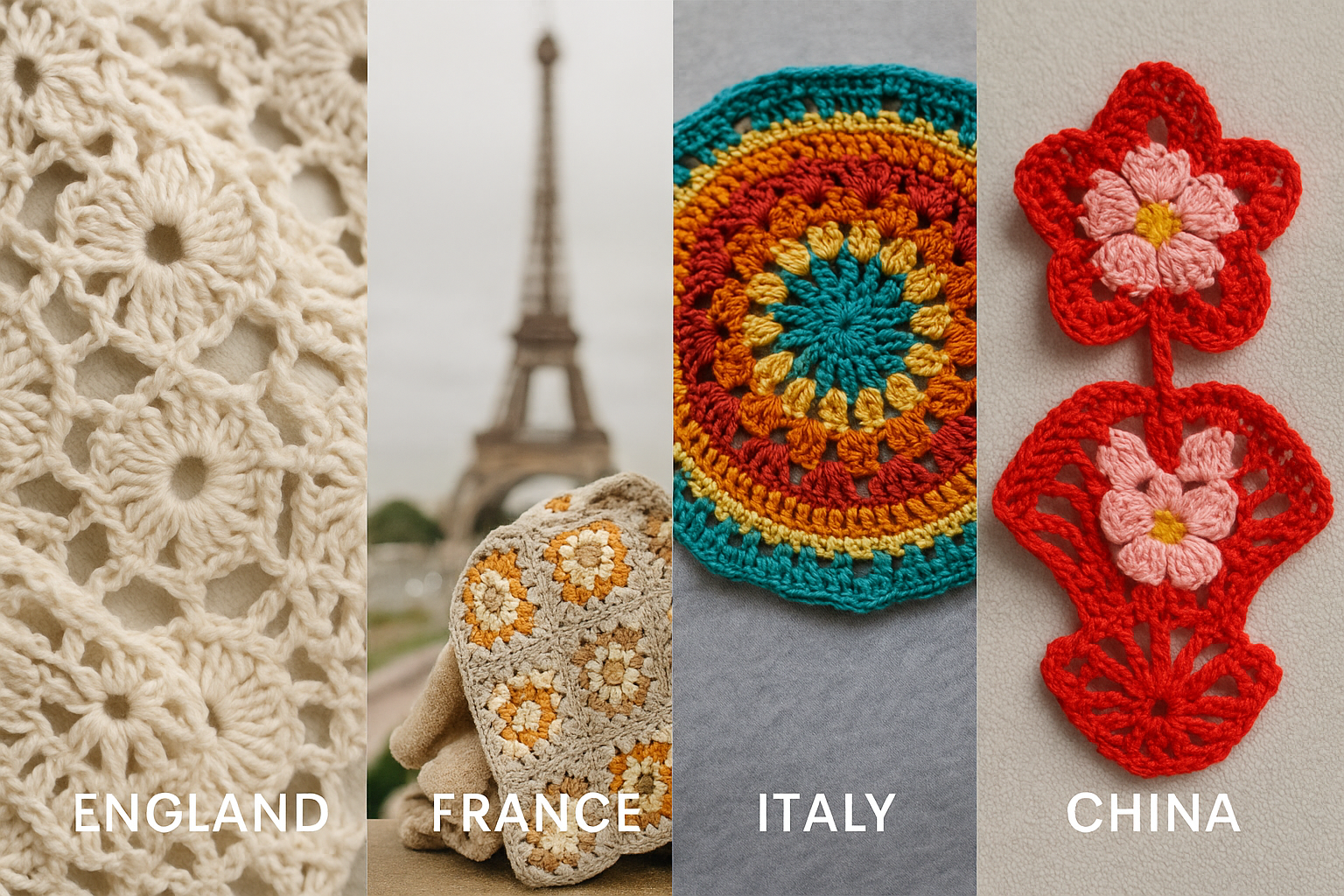
Cultural influence on technique and form
When I compare pieces, I see clear patterns.
| Culture | Style trait |
|---|---|
| European | Structured patterns |
| Latin American | Bold color use |
| Asian | Fine stitch control |
These differences teach designers like Jacky important lessons. He learns how form and function respond to culture. This helps him design products that feel natural in different markets.
In production, this diversity requires flexibility. One system cannot fit all styles. That is why UMY trains artisans across techniques, not just one method.
Why does crochet’s shared heritage matter today?
Some may ask why this question matters now. I ask the same thing. The answer is trust.
Understanding crochet as a shared human craft reduces cultural tension and supports ethical production.
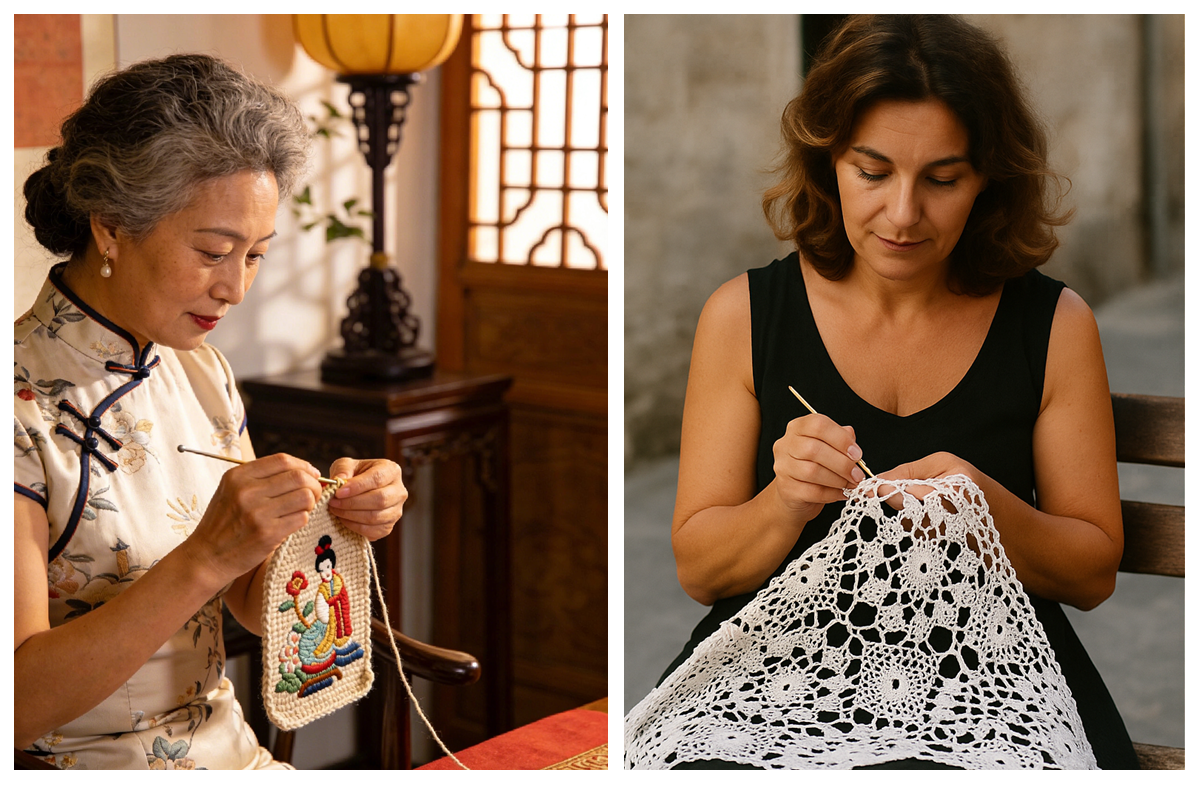
Shared heritage in modern production
At UMY, this belief becomes practice.
| Principle | Action |
|---|---|
| Respect origins | Research design context |
| Avoid appropriation | Adapt with care |
| Support artisans | Fair work systems |
This approach helps global brands feel safe. It also helps artisans feel valued. Crochet becomes a bridge, not a boundary.
When I see crochet this way, I feel responsibility. I am not preserving one culture. I am protecting a shared one.
Conclusion
Crochet belongs to no single ethnicity, and this shared global heritage is exactly what allows UMY to honor the craft through respectful, modern, and inclusive handmade production.
 Chinese