

I once stood in a small village and felt time slow down. That moment changed my direction. Crochet became a mission, not a product.
Jana chose crochet to preserve human-made skills and build a system where traditional craftsmanship could survive, scale, and support real lives through ethical production.
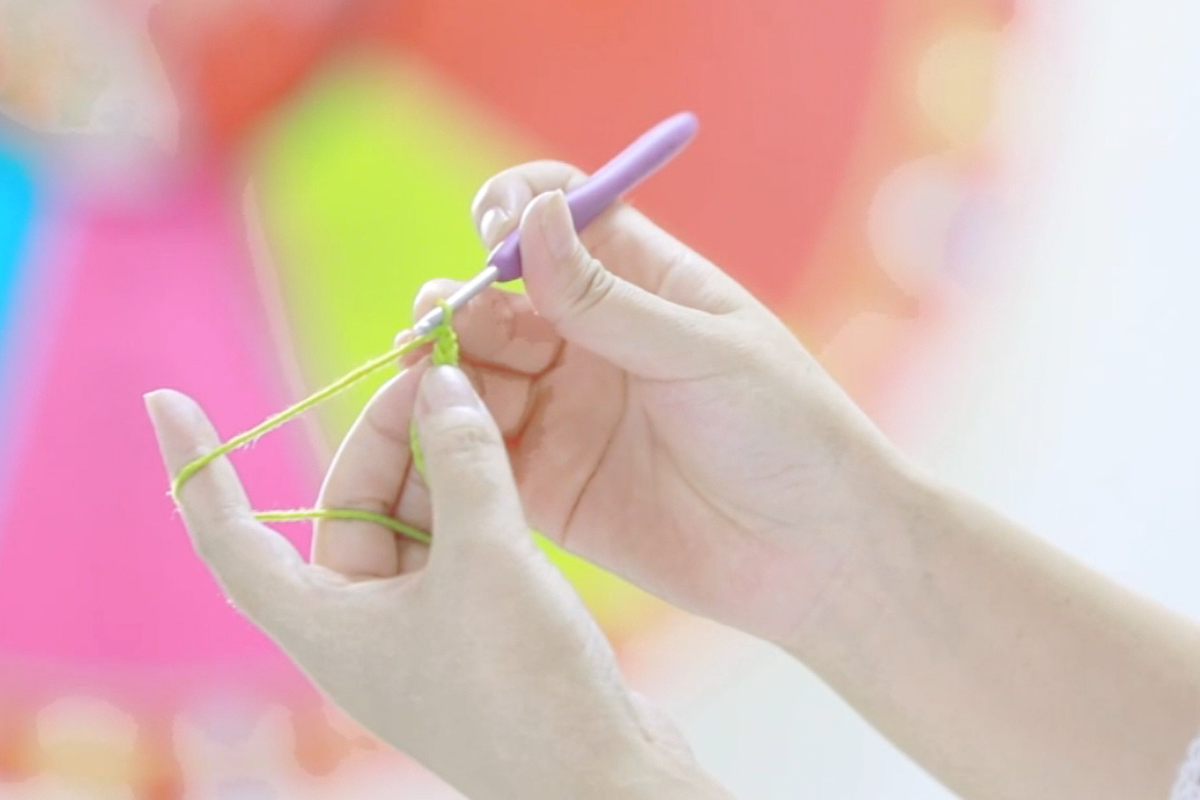
That first encounter stayed with me. It explained why this path mattered.
What inspired the decision to build a crochet-focused business?
Many people chase speed. I chased meaning. Crochet offered both challenge and purpose.
The journey began with witnessing skilled hands at risk of being forgotten.
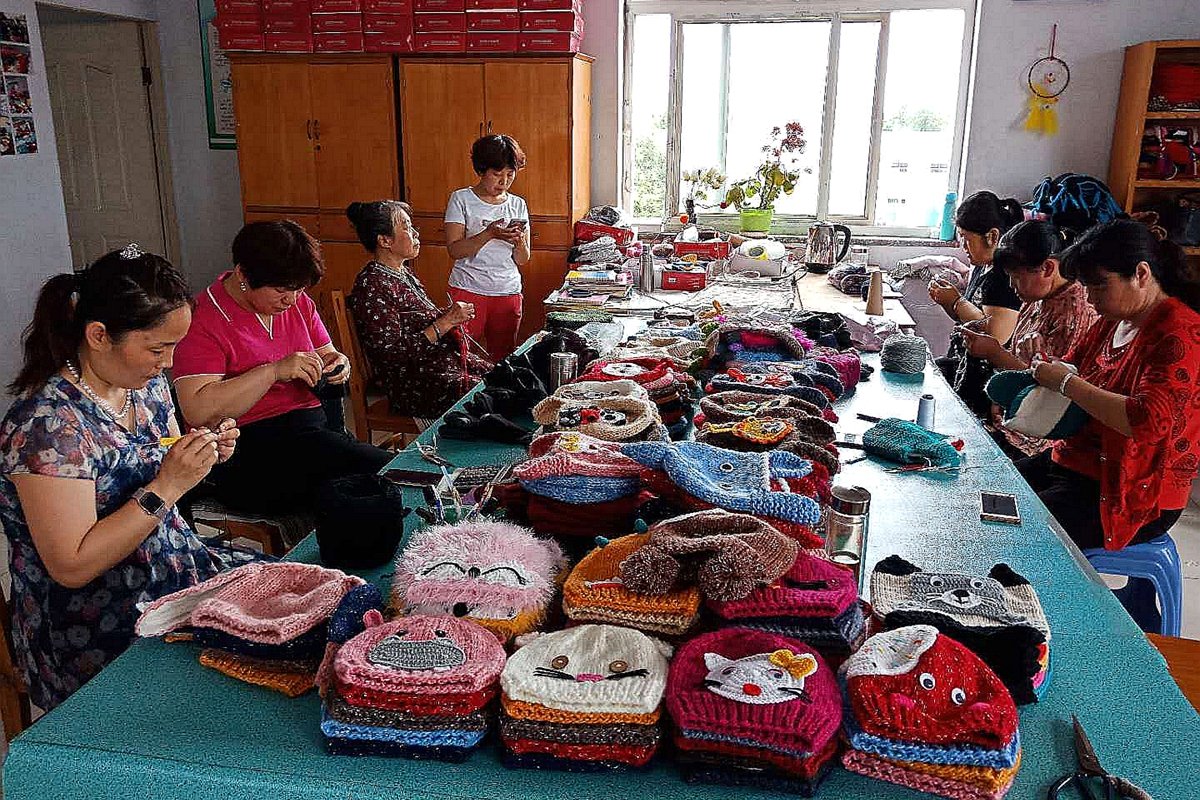
From observation to action
| Moment | Decision |
|---|---|
| Rural exposure | Preserve craft |
| Design background | Apply structure |
| Market research | Build demand |
I left comfort to test this belief. Early orders proved that global markets still value human work. That validation shaped UMY’s direction.
How did crochet evolve into a professional factory model?
Handmade does not mean disorganized. I learned this through trial.
Crochet scaled through training, modular production, and distributed artisan networks.
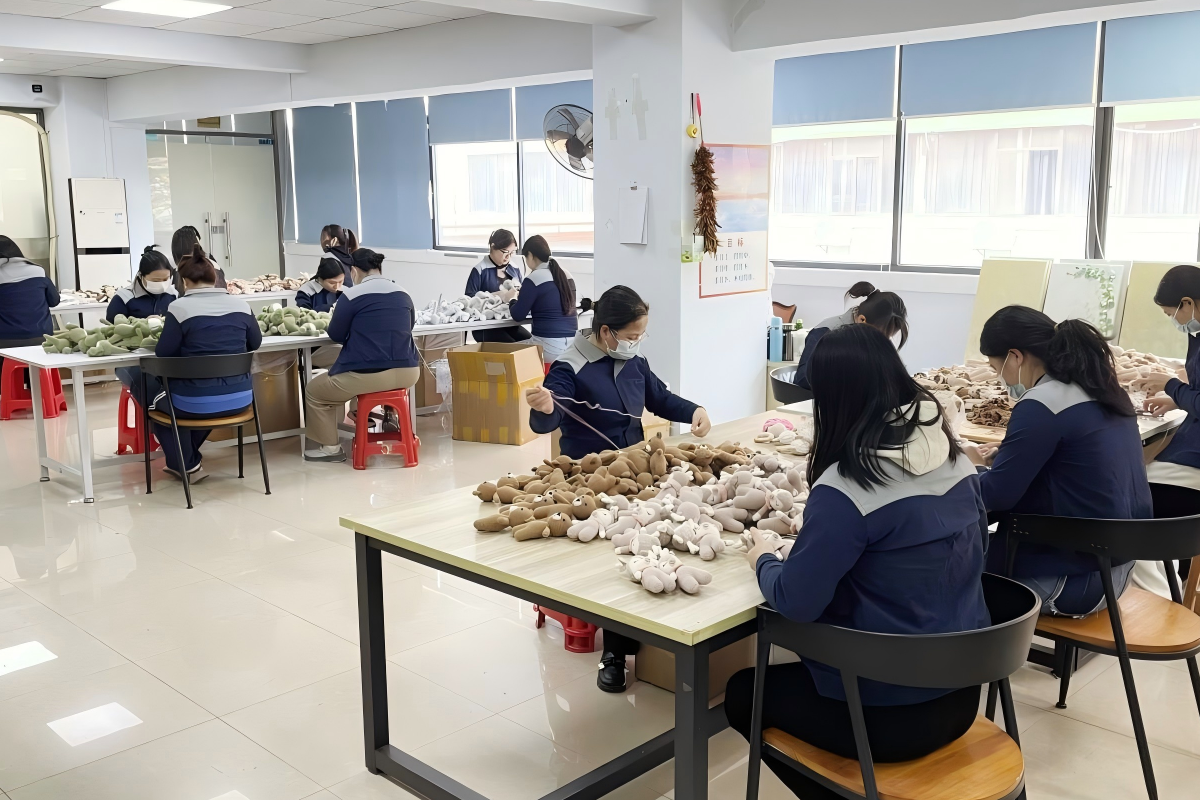

Structure behind handmade work
| System | Purpose |
|---|---|
| Distributed artisans | Flexible capacity |
| Standard checks | Quality control |
| Fair payment | Sustainable growth |
This model protects artisans while meeting global demand. It allows craft to survive without losing dignity.
Conclusion
We chose crochet to protect human skill, and through structure and care, UMY turned that choice into a sustainable handmade factory serving the world.

 Chinese