
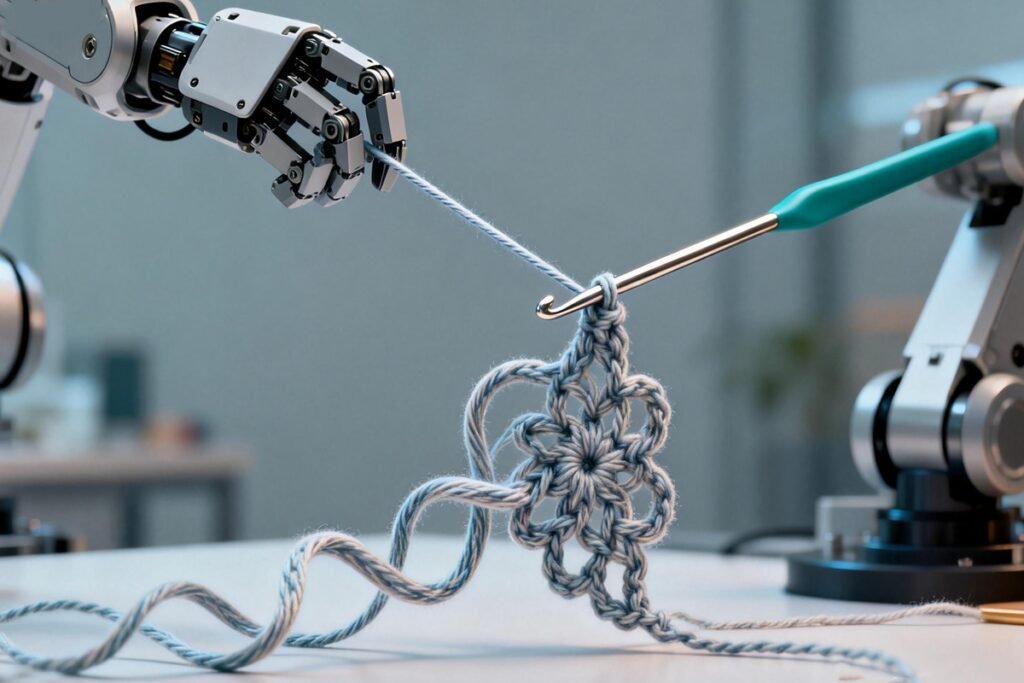
Many people ask this when they see crochet prices. I asked it too. At first, I thought machines could replace hands if technology was advanced enough.
Crochet cannot be done by machine because each stitch depends on human judgment, flexible movement, and real-time adjustment that machines cannot copy.
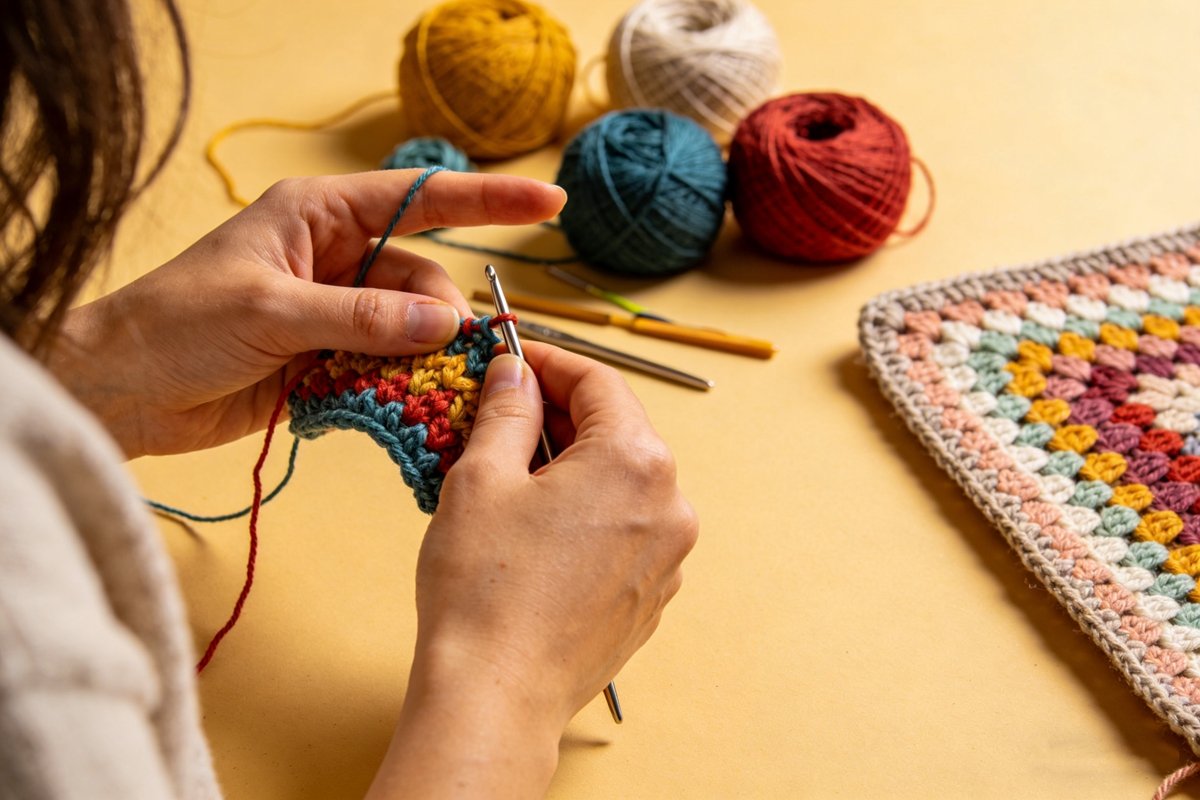
Once I understood how crochet really works, I realized this was not a technical gap. It was a human one.
Why True Crochet Still Belongs to Human Hands?
Crochet remains handmade because the process itself requires decisions and movements that machines are not designed to make.
The Core Difference Between Crochet and Knitting
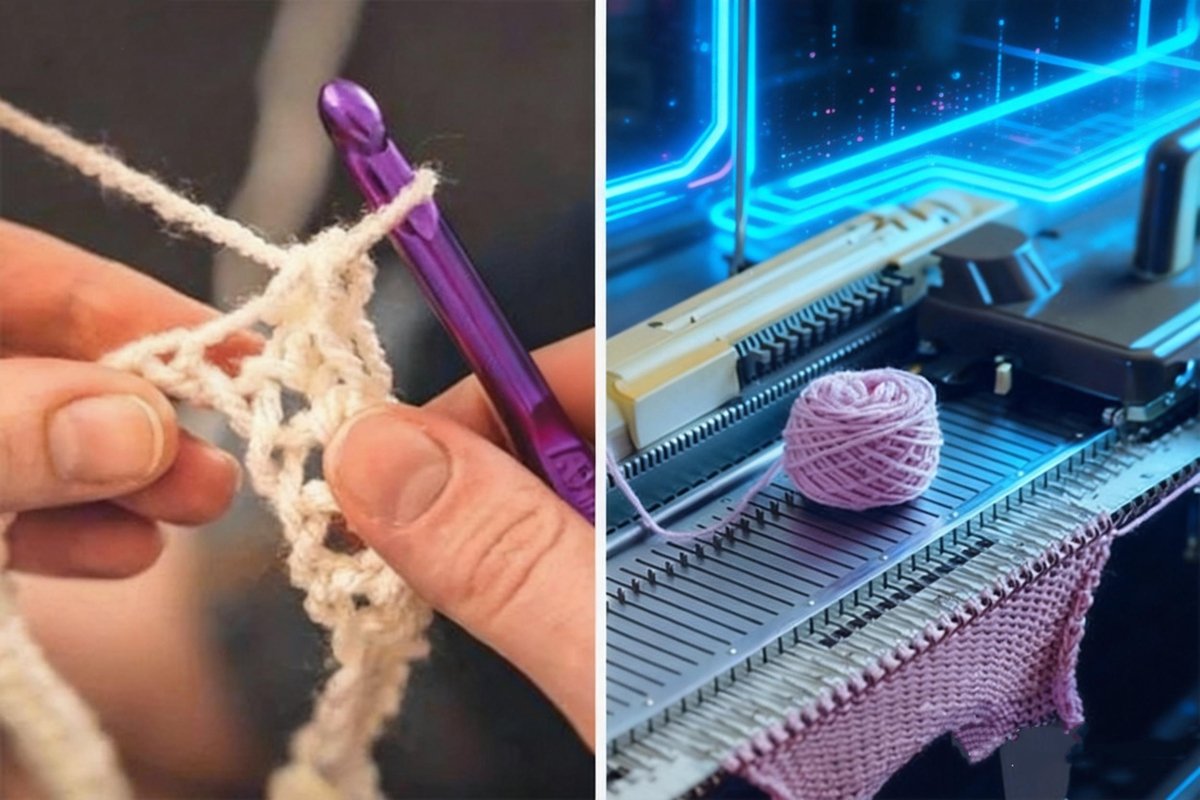
At the start, I confused crochet with knitting. Many people do. Knitting machines exist, so it feels logical to expect crochet machines too. But the structures are different.
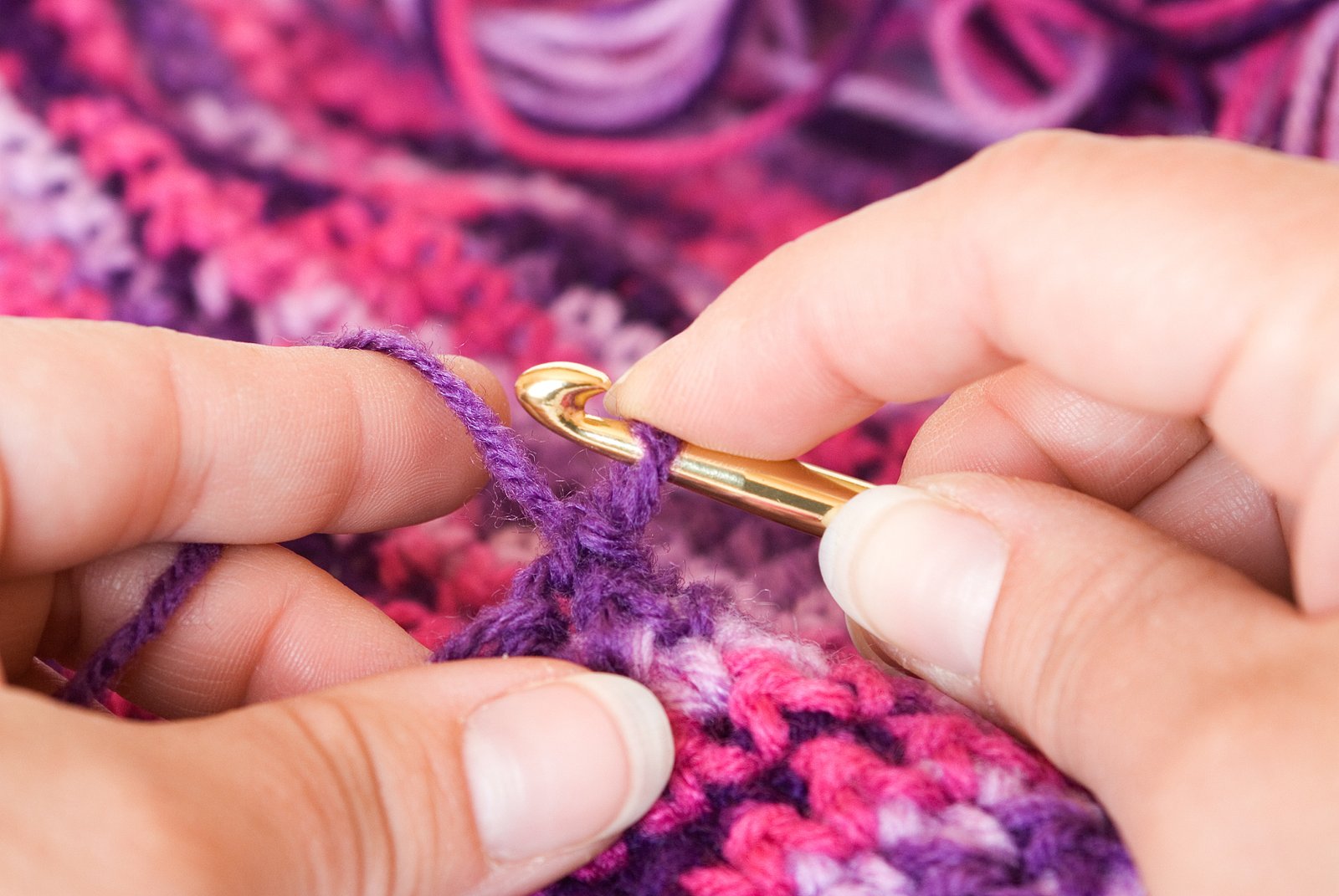
Knitting uses many live loops held on needles at the same time. This structure allows machines to repeat fixed motions. Crochet uses one active loop only. Every stitch is formed, locked, and released before the next one begins.
This single-loop structure changes everything.
| Aspect | Knitting | Crochet |
|---|---|---|
| Active loops | Many at once | One at a time |
| Tool | Two needles | One hook |
| Motion | Linear and repeatable | Variable and adaptive |
| Machine use | Possible | Not practical |
Because crochet works stitch by stitch with constant direction changes, machines cannot follow the logic. A human hand adjusts angle, tension, and hook path every second. A machine cannot sense or decide this way.
Why Crochet Movements Are Not Linear?
Machines work best with straight lines and fixed paths. Crochet does not follow either.
Non-Linear Motion Is the Core Barrier
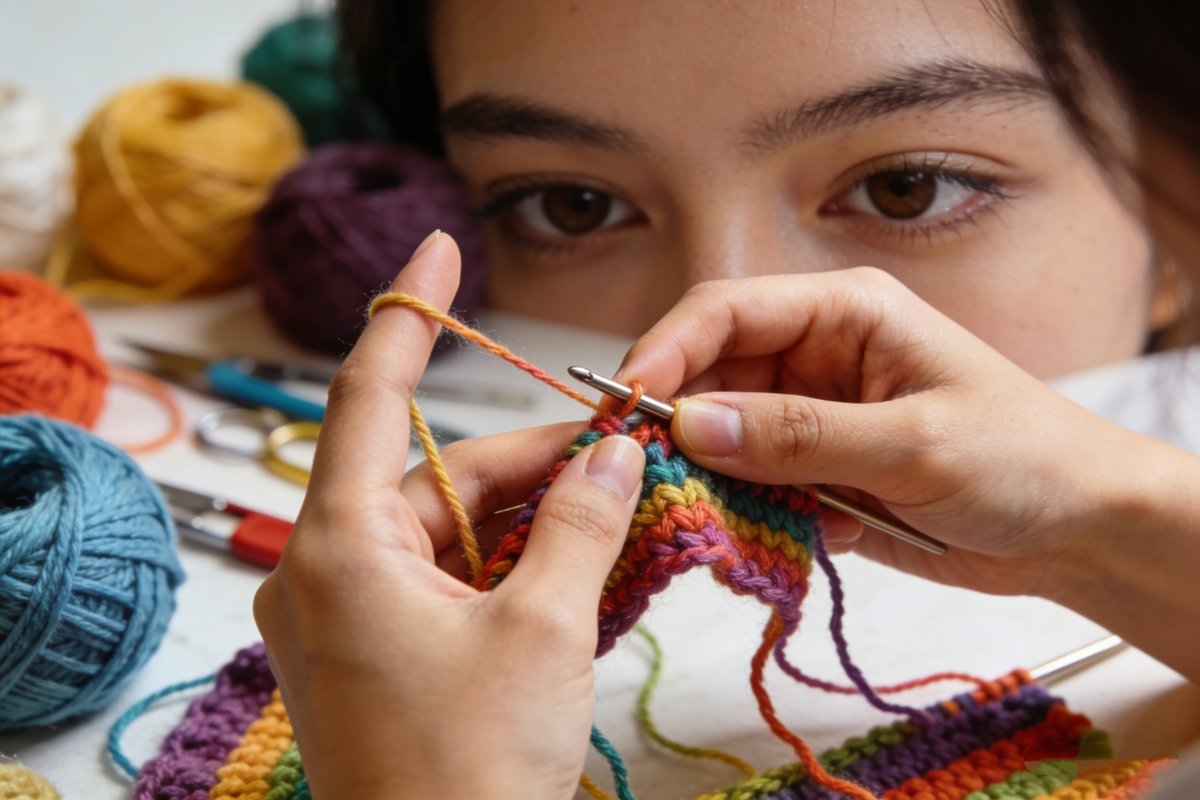
When I crochet, my hook moves in curves, arcs, and small corrections. These movements change based on yarn thickness, stitch type, and even mood. This is not exaggeration. Small tension changes affect the result.
Crochet stitches are not uniform actions. A single stitch may need a slight twist, pause, or pull adjustment. This is why even the same pattern looks different between makers.
| Crochet Action | Why Machines Fail |
|---|---|
| Hook insertion | Angle changes every stitch |
| Yarn catching | Requires tactile feedback |
| Loop control | Depends on tension feel |
| Shape adjustment | Happens mid-stitch |
Machines cannot feel yarn resistance. They cannot decide to loosen a stitch because the fabric feels tight. Human hands do this naturally. This is why true crochet remains human.
Why Tension Control Requires Human Touch?
Tension is not a number. It is a feeling.
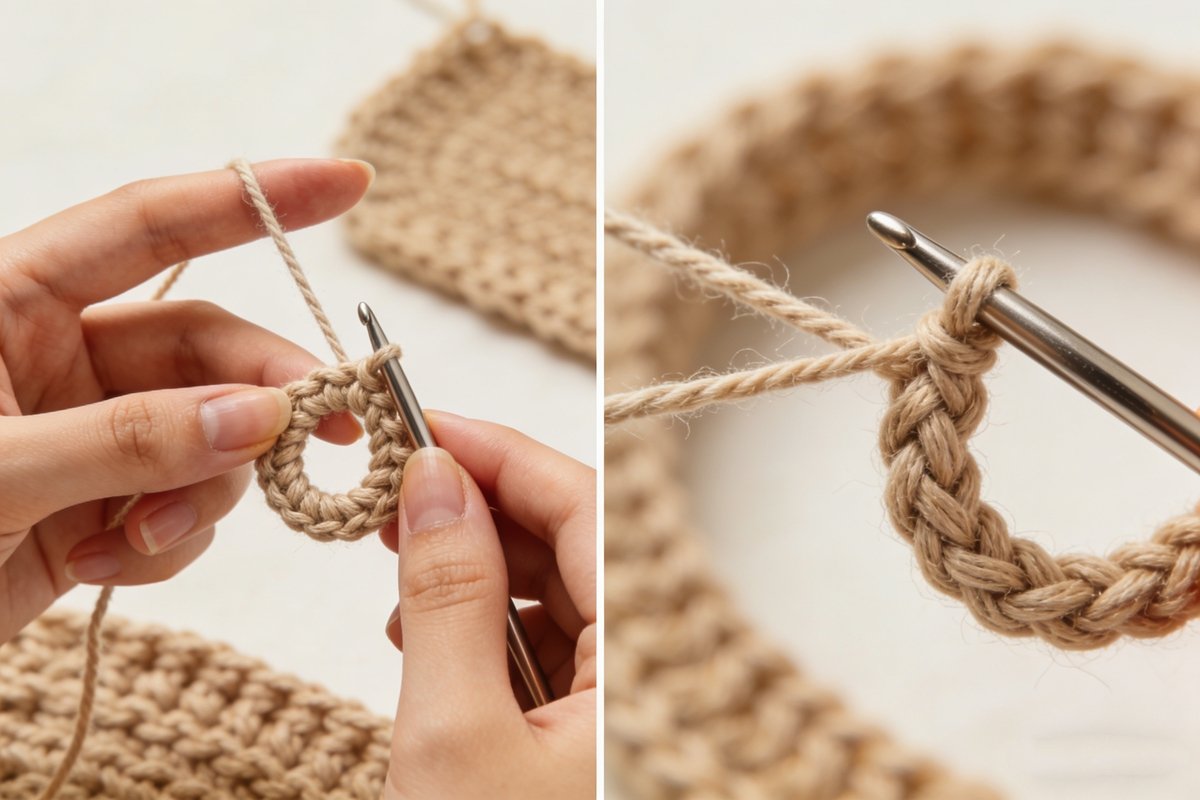
The Role of Touch in Crochet Quality
I learned early that tension decides everything. Too tight and the fabric stiffens. Too loose and gaps appear. Good tension comes from constant feedback between fingers and yarn.
Machines work with fixed force. Crochet needs changing force.
| Tension Factor | Human Adjustment | Machine Limitation |
|---|---|---|
| Yarn elasticity | Adjust grip instantly | Fixed pull strength |
| Stitch density | Reacts in real time | No sensing |
| Shape control | Visual correction | No judgment |
At UMY, artisans train for years to control tension. This skill cannot be programmed. It is learned through repetition and feel. That is why handmade crochet from skilled hands looks alive, not mechanical.
Why Crochet Patterns Require Decisions While Working?
Crochet patterns are guides, not commands.
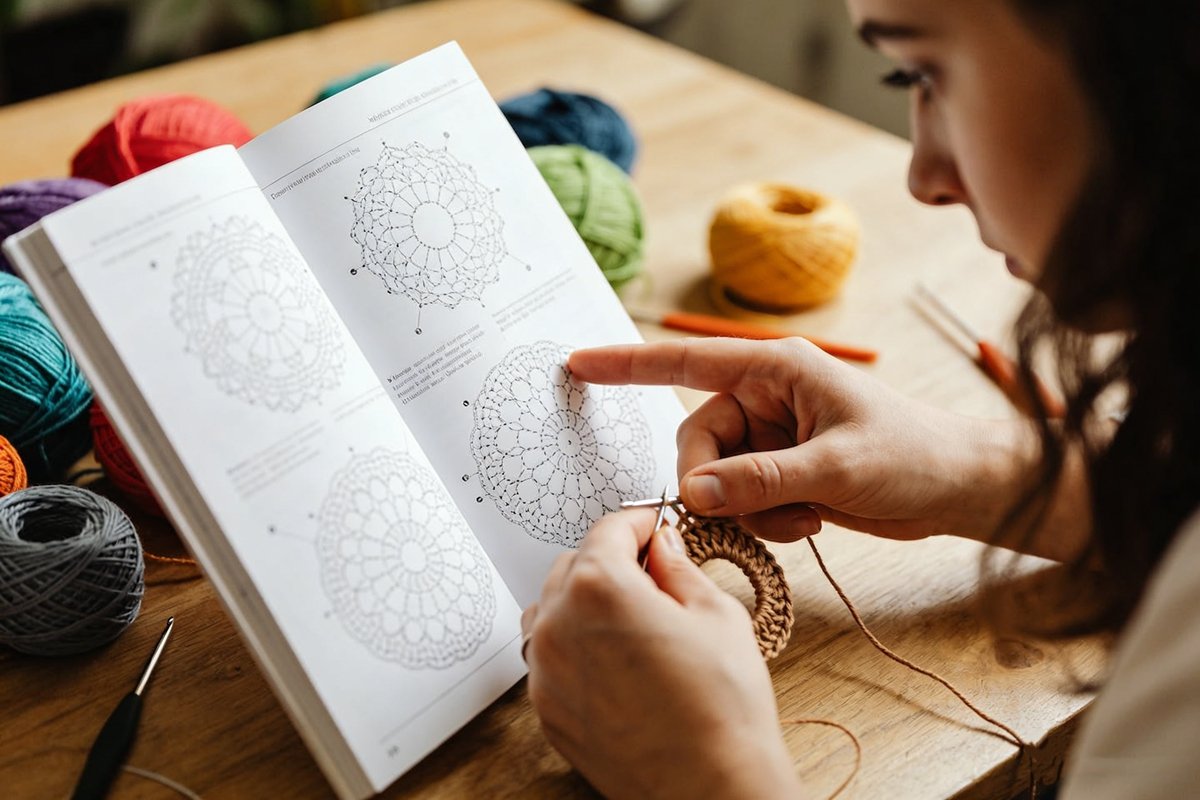
Human Judgment Inside Every Row
Even with a clear pattern, I make decisions while crocheting. I adjust stitch count slightly. I compensate for yarn batch differences. I shape curves by eye, not math.
Machines need exact instructions. Crochet often needs interpretation.
| Pattern Situation | Human Response |
|---|---|
| Slight size drift | Adjust stitch tension |
| Curve shaping | Add or skip subtly |
| Yarn inconsistency | Change hook movement |
| Visual balance | Correct by eye |
This is especially important for toys and sculptural pieces. A machine would repeat mistakes perfectly. A human corrects them naturally. That difference defines crochet quality.
UMY relies on this human judgment to keep products consistent even when yarn or designs change slightly.
Why Machines Can Imitate Crochet but Not Replace It?
Some fabrics look like crochet. They are not crochet.
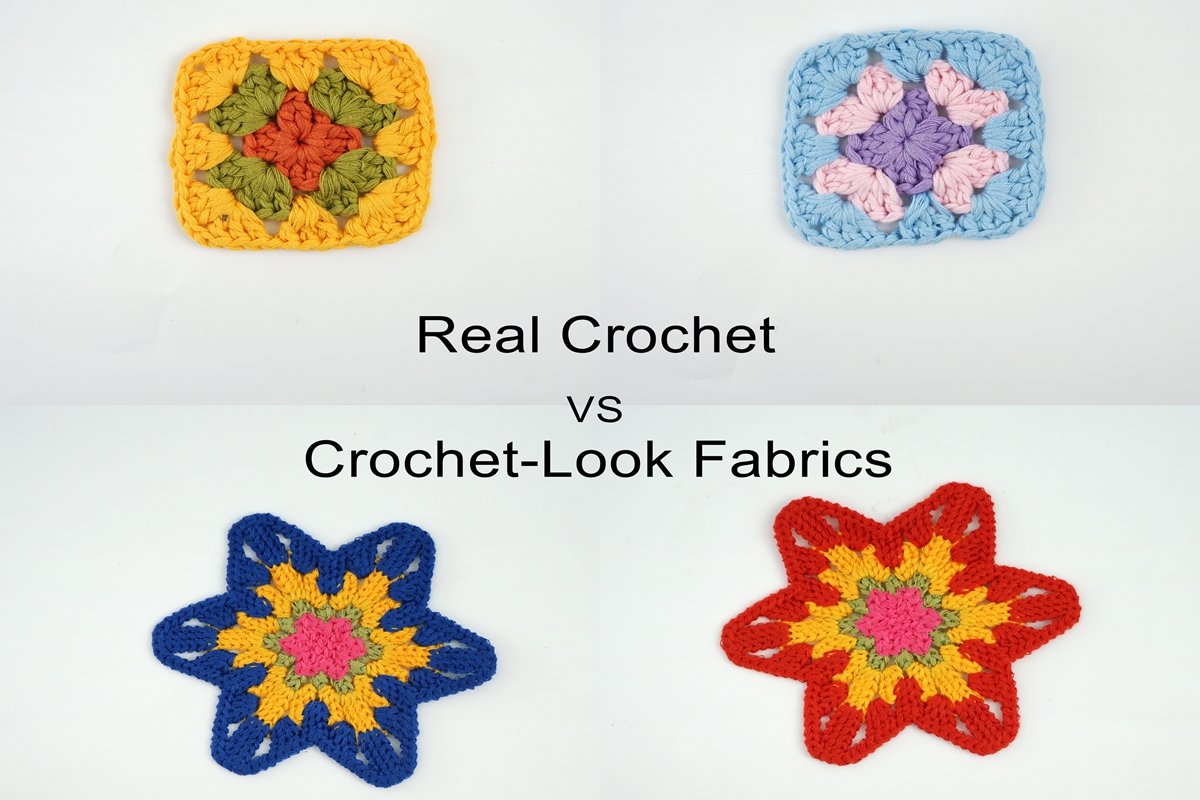
Crochet-Look Fabrics vs Real Crochet
I have seen many machine-made fabrics sold as crochet-style. They copy the appearance but not the structure. These fabrics unravel differently. They feel flatter. They lack depth.
| Feature | Real Crochet | Machine Imitation |
|---|---|---|
| Structure | Interlocked knots | Woven or knitted |
| Repair | Possible by hand | Often impossible |
| Texture | Dimensional | Flat |
| Value | Handmade | Decorative only |
This is why true crochet holds value. It cannot be mass-produced without losing its identity.
UMY protects this distinction. Every piece is real crochet, formed stitch by stitch, not simulated.
Why Crochet Production Still Scales with Humans?
People assume handmade means unscalable. That is not true.
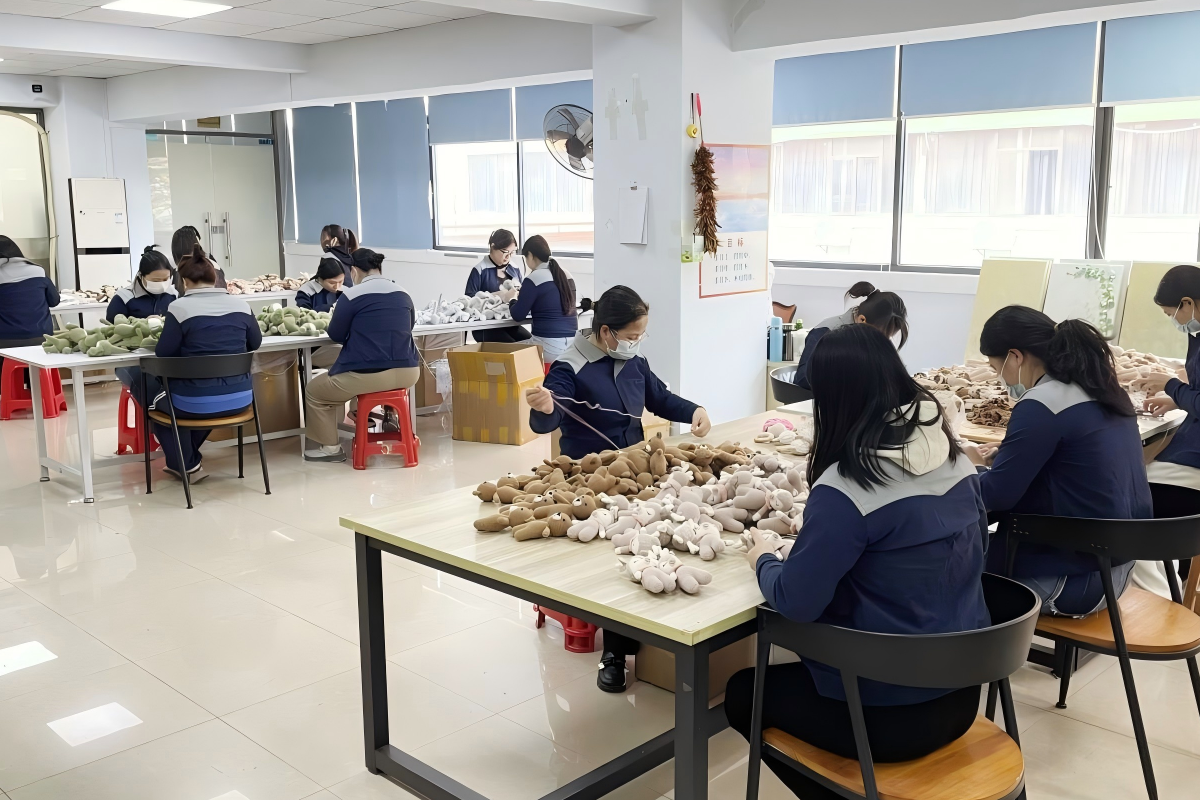
Scaling Through Skilled Hands, Not Machines
Scaling crochet means organizing people, not replacing them. I learned this when demand grew. Systems mattered more than speed.
| Scaling Element | Human-Based Solution |
|---|---|
| Consistency | Standard training |
| Volume | Team coordination |
| Quality | Multi-step checks |
| Speed | Workflow planning |
UMY applies this model. Skilled artisans work within structured systems. This keeps handmade quality while meeting large orders. Machines are not replaced because they were never suitable.
Why Crochet Will Always Stay Handmade?
Crochet is not just a technique. It is a conversation between hand, yarn, and eye.
The Future of Crochet Is Human
Even as technology advances, crochet remains human-centered. Its value comes from touch, imperfection, and judgment. These are not flaws. They are features.
I stopped asking why machines cannot crochet. I started asking why humans should stop.
UMY exists to protect this craft. By respecting true crochet methods, it delivers products that feel real in a world full of copies.
Conclusion
Crochet cannot be done by machine because it depends on human touch, judgment, and movement that technology cannot replace.

 Chinese