
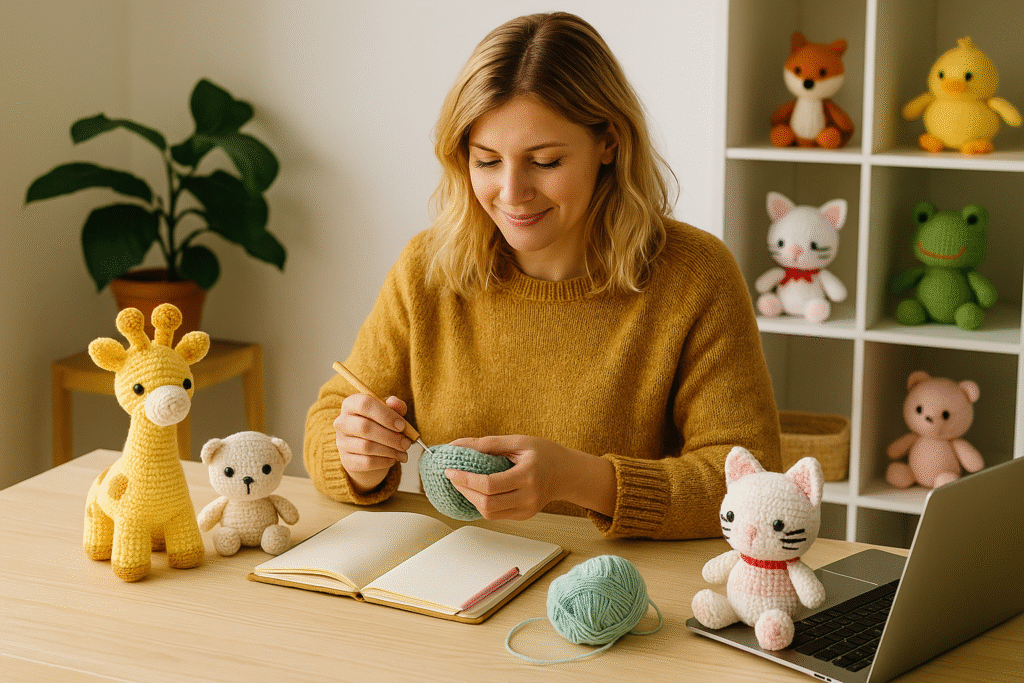
I remember the moment I realized crochet was more than a hobby, and that simple shift opened many new paths for me.
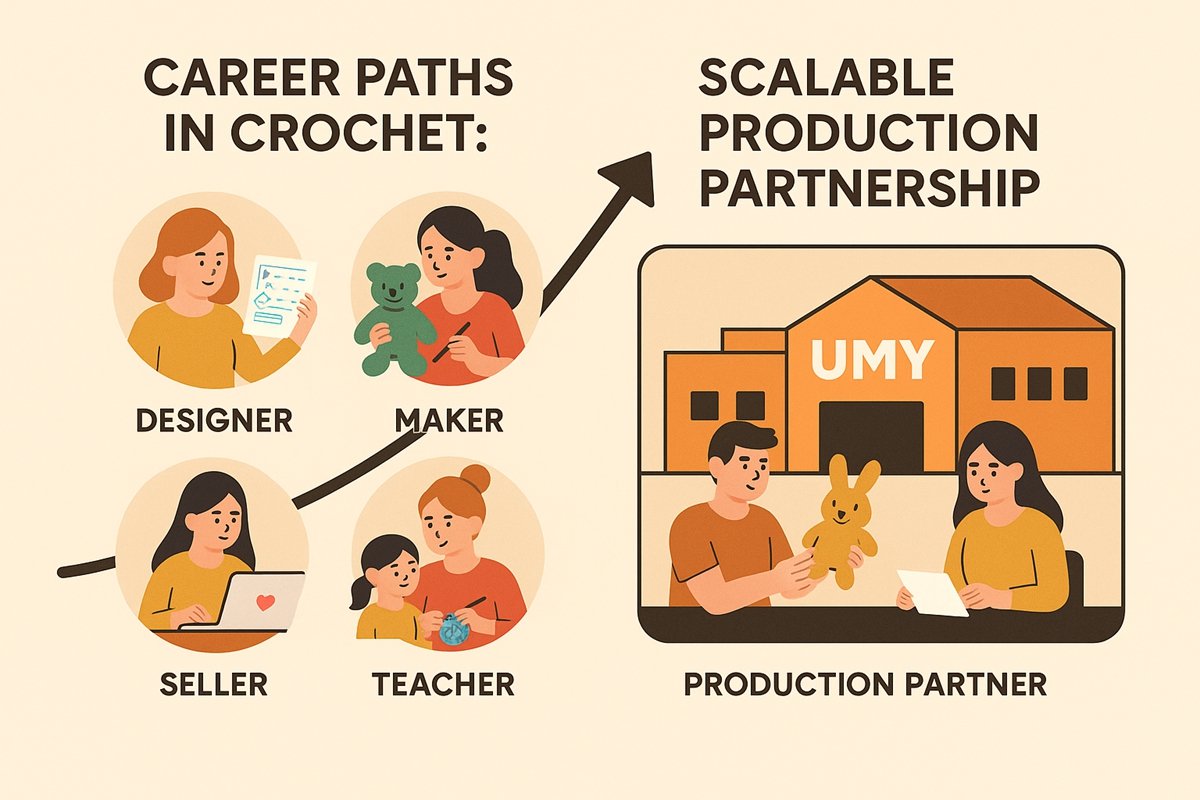
You can work as a crochet designer, maker, seller, teacher, or partner with a production factory. These roles help you earn through creativity and clear business planning.
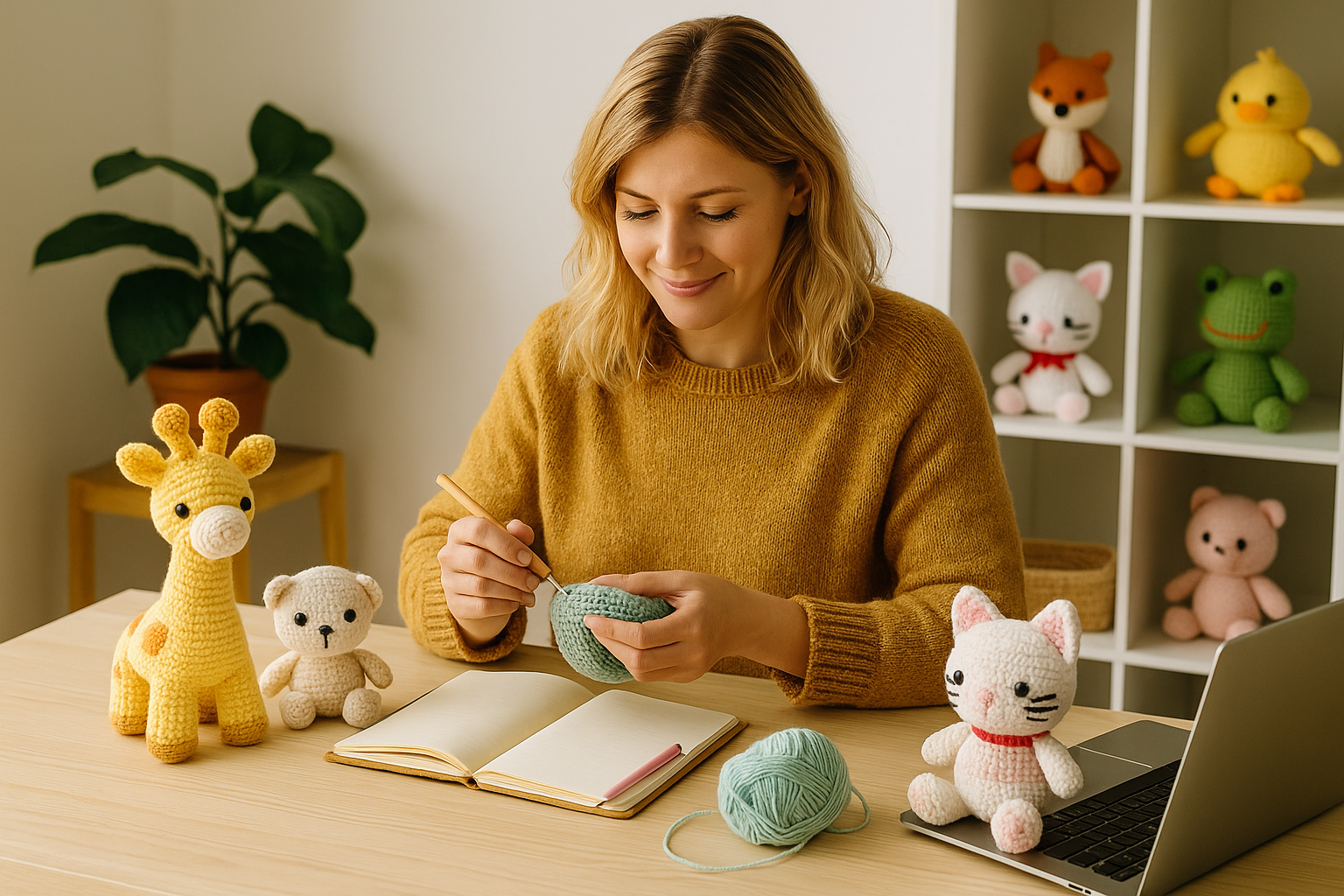
When you understand the full range of crochet careers, you can choose a path that fits your skills and grow at your own speed.
Career Paths in Crochet: From Creative Roles to Scalable Production Partnerships with UMY
Many creators feel stuck because they think crochet work only means selling handmade pieces, and that belief keeps them from seeing real career choices.
Crochet offers many roles, from pattern design to brand building. With UMY’s handmade production support, makers can turn their ideas into long-term, scalable work.
What crochet careers are possible today?
Crochet work covers creative, teaching, digital, and business roles. Many creators build mixed careers by combining several paths. Here is a simple breakdown:
| Role Type | What You Do | Why It Works |
|---|---|---|
| Creative | Design patterns or make products | You build a clear personal style |
| Teaching | Share skills online or offline | You earn from your knowledge |
| Digital | Create content or tutorials | You build an audience fast |
| Business | Sell products with partners | You scale beyond your own hands |
When I first entered this field, I only knew one path: selling handmade pieces. Later, as I worked with brands and factories, I met designers who built strong careers through teaching, content creation, licensing, and stable production partnerships. This made me understand how wide this industry truly is.
Can I make a career as a crochet designer?
Many makers doubt their design skills, and the fear of not being “good enough” makes them hesitate.
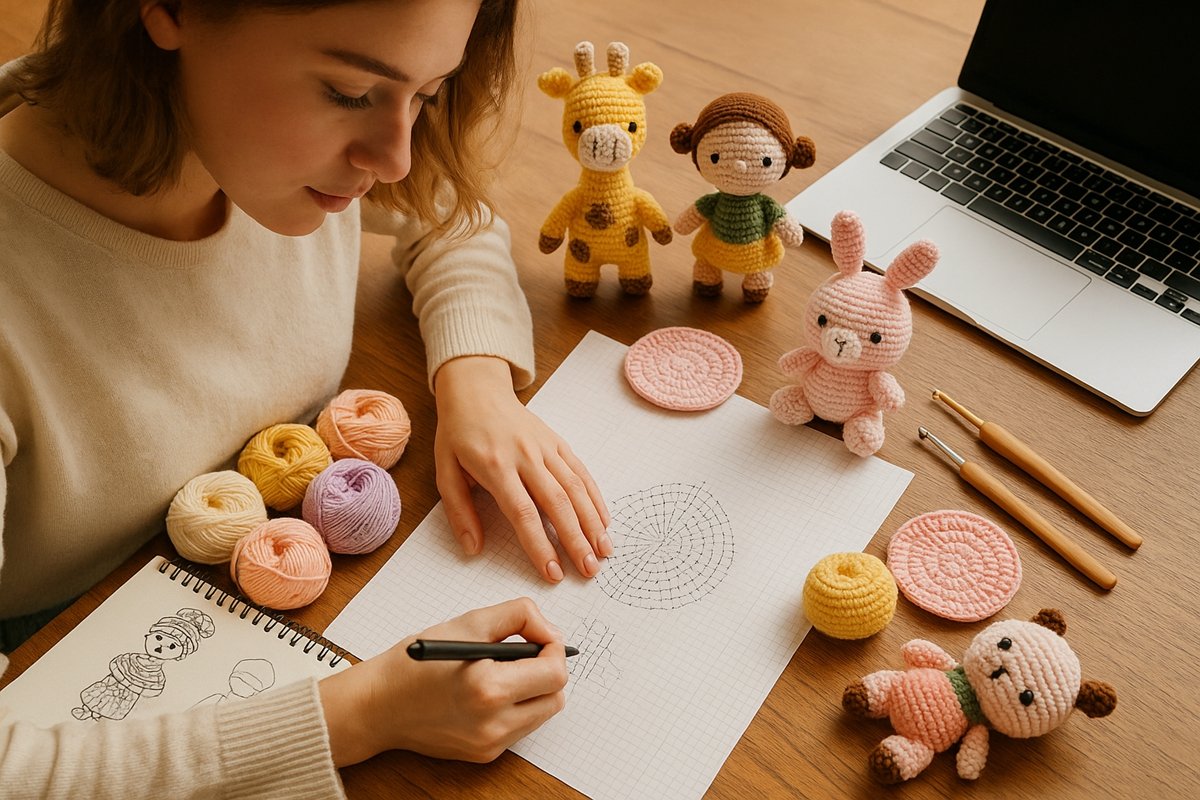
Yes, crochet design is a real job. Designers create patterns, sample pieces, and concept collections for brands, magazines, and factories.
Why is crochet design a growing field?
Designers help brands launch new collections and help factories plan production. It is stable work because companies need fresh ideas every season. Here is the structure behind it:
Common Work for Crochet Designers
| Task | What It Means | Why It Helps |
|---|---|---|
| Pattern drafting | Write clear step-by-step instructions | Brands need repeatable models |
| Sample making | Produce prototypes | Factories use them for production |
| Collection planning | Create themed groups of designs | Helps brands refresh product lines |
| Custom requests | Create exclusive pieces | Adds income for designers |
Designers often work with producers like UMY when they want their ideas made in bigger batches. A factory can take a single concept and turn it into a product line. Many designers I work with enjoy this because it lets them focus on ideas, not production stress.
Can I make a living selling crochet products?
Many creators worry they cannot produce enough by hand to earn stable income, and this fear often stops them from starting.
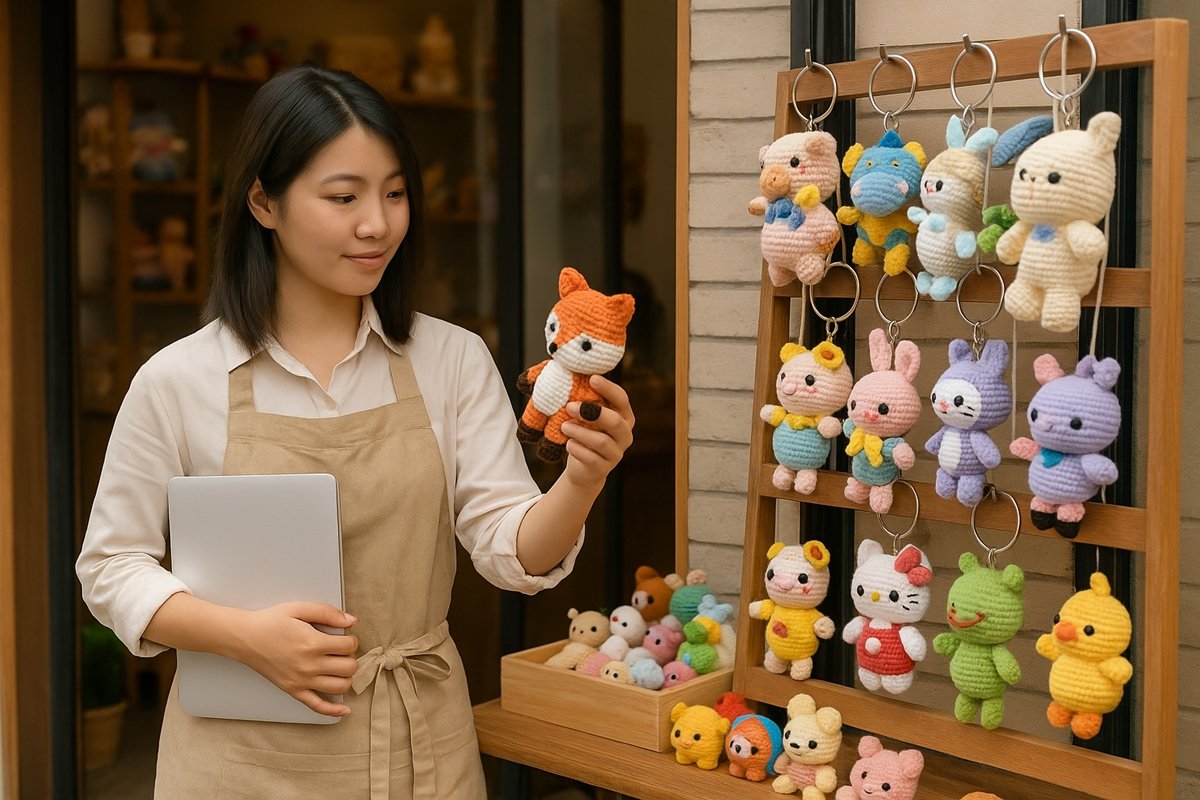
You can sell handmade crochet items online, offline, or through wholesale. You can scale your shop by working with a trusted production partner.
Why can selling crochet be sustainable?
You can start small. You can sell on Etsy, fairs, Instagram, or local stores. When your sales increase, you can work with a factory like UMY to keep quality consistent and meet demand. Here is how growth usually works:
Selling Crochet: Step-by-Step Growth
| Stage | What You Do | How UMY Helps |
|---|---|---|
| Start | Sell handmade pieces | Keep ideas simple and test demand |
| Grow | Build repeat customers | Develop early batches with support |
| Scale | Offer wholesale or bigger drops | UMY handles larger production |
| Expand | Build a brand | Focus on design while production stays stable |
I have seen many sellers shift from small handmade orders to steady monthly production once they found the right partner. It reduces exhaustion. It gives freedom to focus on design, marketing, and customer care.
Can crochet teaching and digital content become a real career?
Many people think teaching requires a big studio or large audience, and this misunderstanding stops them from trying.
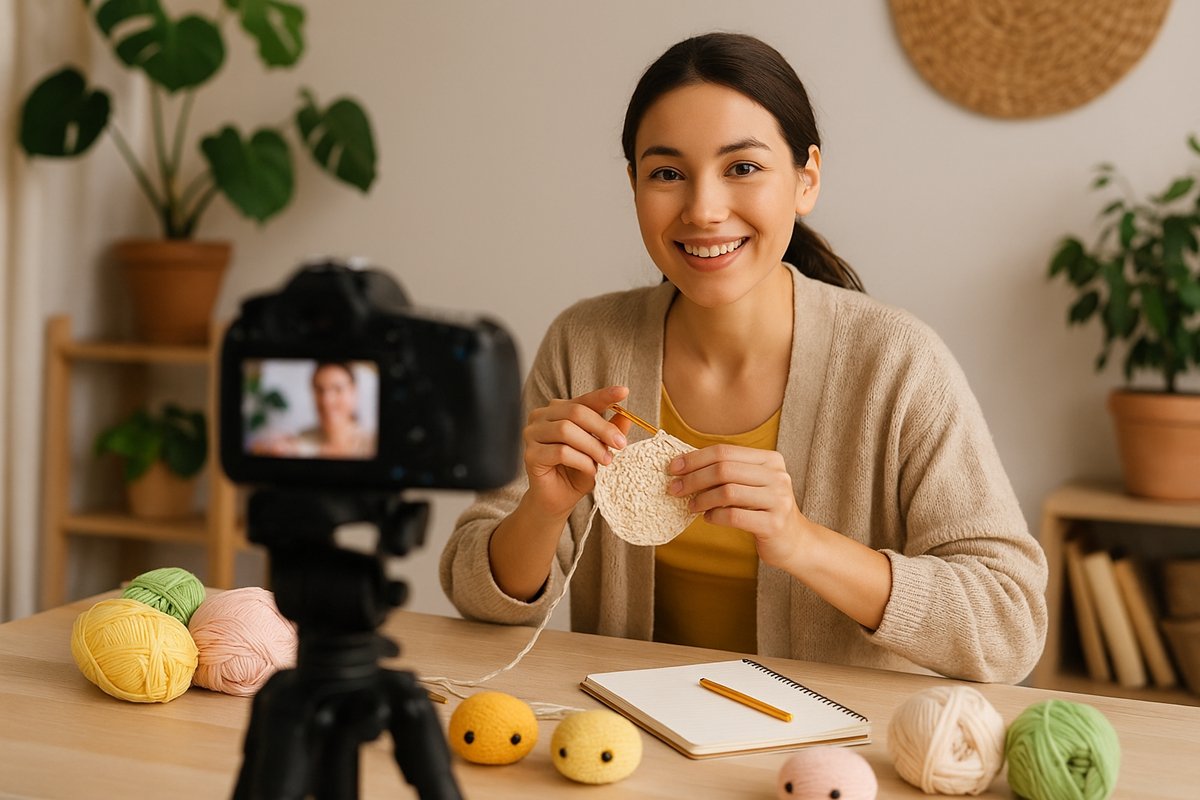
You can teach crochet in-person, online, or through digital content. You can earn from classes, courses, videos, or paid tutorials.
Why is teaching a strong career path?
More people want to learn crochet for relaxation and creativity. Teaching does not require large investment. You can start with simple tools and a clear plan. Here is how teaching careers often look:
Teaching and Digital Paths in Crochet
| Path | What You Do | Why It Works |
|---|---|---|
| Online classes | Live or recorded lessons | Students learn anywhere |
| Pattern shop | Sell digital files | Passive income over time |
| Social content | Create reels, tips, tutorials | Builds audience quickly |
| In-person workshops | Teach small groups | Good for stable local income |
Many teachers I meet turn their tutorials into stable digital products. Others move into brand partnerships or product lines. Teaching builds trust, and trust builds opportunity.
Conclusion
Crochet gives you real career paths, and with the right support, you can grow from a single idea into a long-term creative business.

 Chinese