

I once assumed crochet was always called crochet. That simple belief hides its long history. Understanding the old name helps me see why this craft still matters today.
The old name for crochet was “shepherd’s knitting,” a slip-stitch technique practiced in the British Isles, which later evolved into what we now call modern crochet.

When I first learned this, I felt closer to the craft. Names carry memory. This story explains how crochet traveled through time and why we continue it today.
Why was crochet once called shepherd’s knitting?
Many people think crochet appeared suddenly. That idea removes its roots. The earlier name shows how the craft grew from daily life.
Shepherd’s knitting described an early slip-stitch method used by working people, especially shepherds, to create strong, flexible fabric with simple tools.

What the name tells us about early crochet
I imagine people working outdoors, focused and patient. The name reflects function, not fashion.
| Aspect | Meaning |
|---|---|
| Tool | Simple hook |
| Stitch | Slip stitch |
| Purpose | Durable fabric |
This was not decoration. It was practical. The fabric stretched and held shape. Over time, this method spread across regions and languages. Each place gave it a new name.
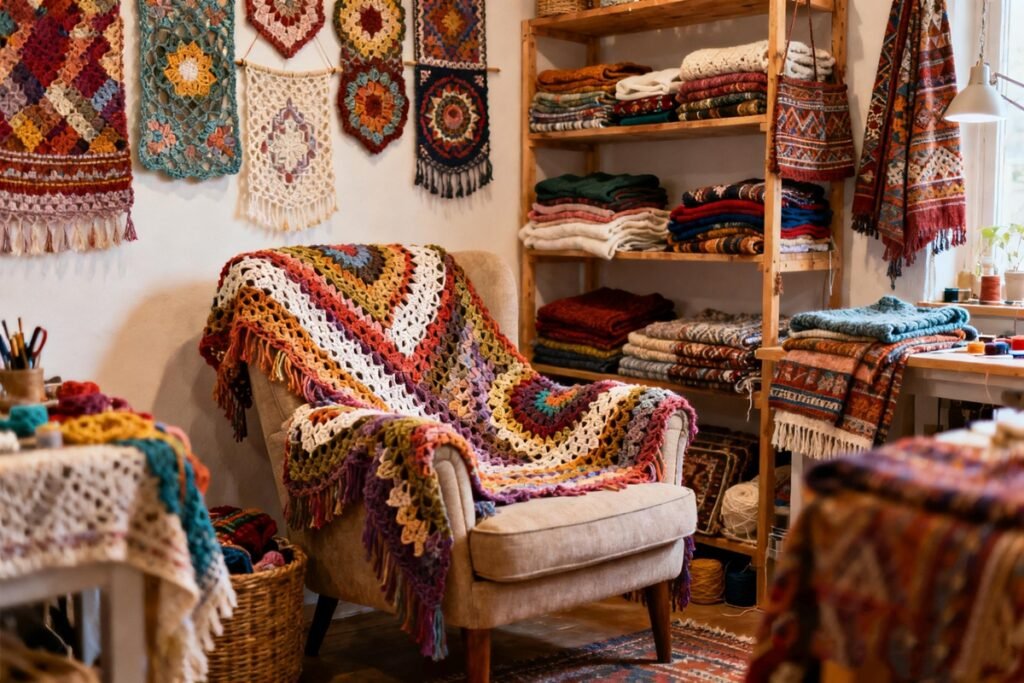
Understanding this helps me respect crochet as labor, not just hobby. At UMY, this respect shapes how we treat handmade work. We see it as skilled production with history, not casual craft.
How did shepherd’s knitting become modern crochet?
Change happened slowly. That pace matters. Crafts evolve through use, not trends.
Shepherd’s knitting developed into crochet as stitches expanded, tools improved, and the craft moved from rural necessity into homes and markets.

Key stages of evolution
I see this as a process of layering knowledge.
| Stage | Development |
|---|---|
| Early era | Slip-stitch focus |
| Expansion | New stitches added |
| Modern era | Pattern systems |
As techniques spread to France and Italy, the term “crochet” emerged, meaning “little hook.” Patterns became written. Teaching became easier.
This shift allowed crochet to scale. It moved from survival to expression. That same transition guides our factory logic today. We respect tradition, then add structure.
Designers benefit from this evolution. He relies on clear stitch systems and predictable outcomes. Those systems began centuries ago.
Why does this history still matter for modern crochet production?
Some people think history is only academic. I disagree. History explains present choices.
Knowing crochet’s roots helps modern producers protect its flexibility while improving consistency and quality.

Applying heritage in production today
At UMY, tradition informs process.
| Heritage principle | Modern application |
|---|---|
| Hand control | Skilled artisan training |
| Simple tools | Low-energy production |
| Stitch logic | Repeatable quality |
We do not replace hands with machines. We organize hands better. This keeps the craft alive while meeting global demand.
For global brands, this balance reduces risk. For artisans, it preserves dignity. For the craft, it ensures continuity.
When I think of shepherd’s knitting, I see a long line of makers. We are part of that line.
Conclusion
Crochet began as shepherd’s knitting, and through centuries of adaptation, it became a global craft that UMY proudly continues with respect, structure, and modern production care.

 Chinese