
I remember feeling confused when I first read an overseas crochet pattern. The stitches looked familiar, but the names felt wrong. That small mismatch can slow learning and cause costly mistakes.
Americans call single crochet single crochet, often written as sc. This is the shortest basic stitch in US crochet terms and is different from UK naming.
This difference seems small. But it matters when patterns travel across borders. Understanding it keeps projects accurate and stress low.
Single Crochet Across Borders: Understanding Terminology with UMY’s Expert Guidance?
Many crochet terms change between the US and UK. Single crochet is the most common source of confusion for designers and producers.
Going Deeper: Why Crochet Terms Change Between Countries
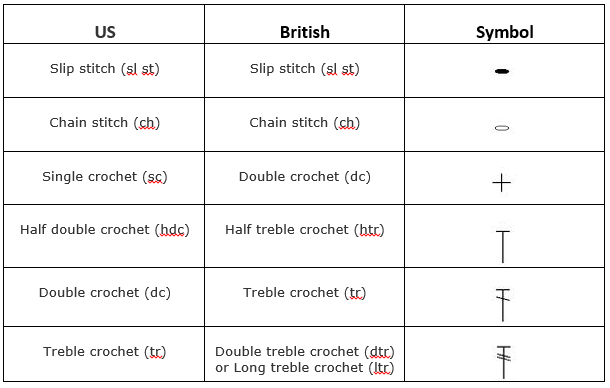
When I started working with international partners, I learned that crochet language is not universal. The stitch itself does not change. Only the name changes. In the US system, single crochet is the basic, compact stitch. In the UK system, that same stitch is called double crochet. This mismatch causes confusion because UK single crochet means something taller in the US system.
Below is the comparison I keep close when reviewing patterns:
| Stitch Action | US Term | UK Term |
|---|---|---|
| Insert hook, yarn over, pull through, yarn over, pull through two loops | Single Crochet (sc) | Double Crochet (dc) |
| Yarn over first, then insert hook | Double Crochet (dc) | Treble Crochet (tr) |
I have seen entire samples fail because the wrong system was used. One small word changes fabric density, size, and feel. For toys, this can change safety and shape. For apparel, this changes drape and fit. This is why clarity matters so much.
At UMY, patterns always state the crochet system clearly. This avoids back-and-forth and reduces sampling time. When everyone speaks the same crochet language, production moves faster and results stay stable.
Why Does the US Call It Single Crochet?
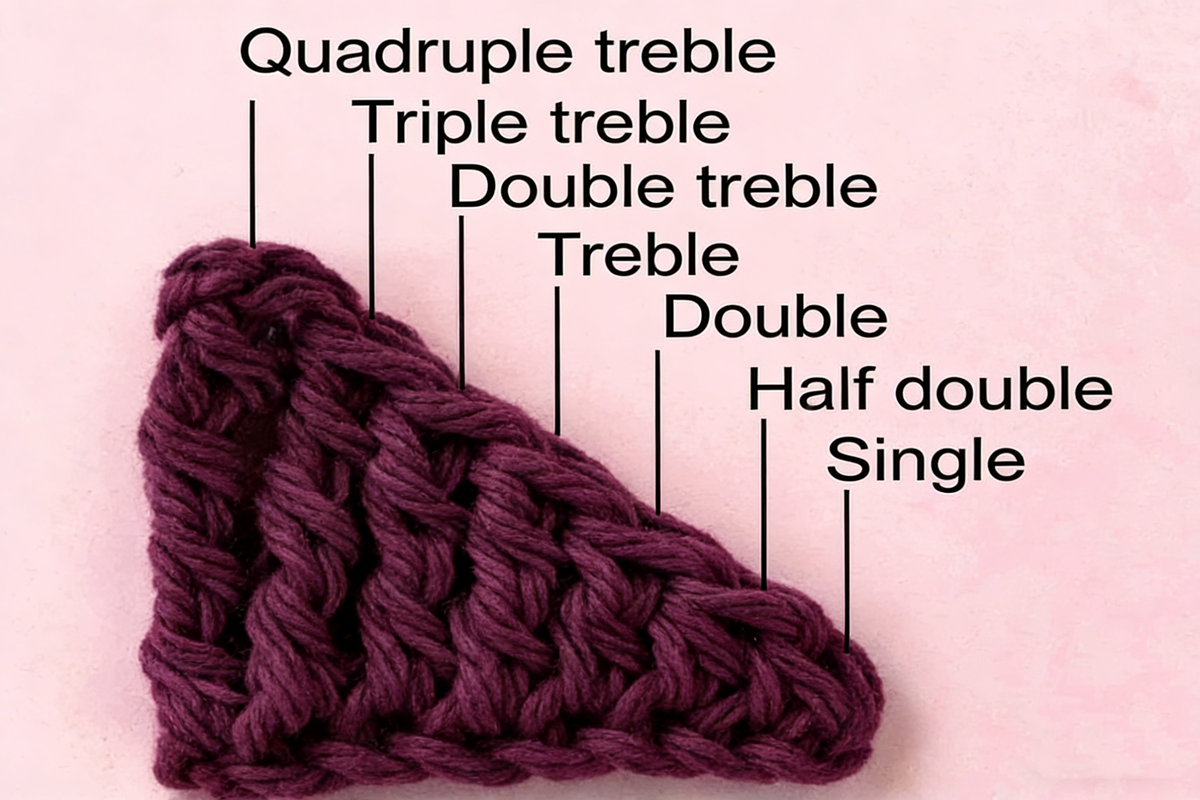
The name reflects stitch height. US crochet terms describe stitches by how tall they are.
Going Deeper: Logic Behind US Crochet Naming
I like the US system because it is logical and visual. Single crochet is short. Double crochet is taller. Treble crochet is even taller. Each name matches how the fabric grows vertically. This helps new learners understand structure quickly.
The UK system focuses more on how many yarn overs happen during the stitch. That is not wrong. It is just different. Problems appear when patterns move across markets without translation.
Here is how I explain it to new designers:
| System | Focus | Result |
|---|---|---|
| US Terms | Stitch height | Easier to visualize fabric |
| UK Terms | Yarn overs | More technical naming |
| Mixed Use | No clarity | High risk of errors |
When I work on large orders, I cannot guess which system someone meant. Clear naming protects time and cost. At UMY, the design team rewrites or confirms all stitch terms before production starts. This step alone prevents many issues during scaling.
How Does This Affect Crochet Toys and Plush Production?
Single crochet is the foundation stitch for crochet toys. Using the wrong term changes the entire product.
Going Deeper: Stitch Density, Safety, and Shape
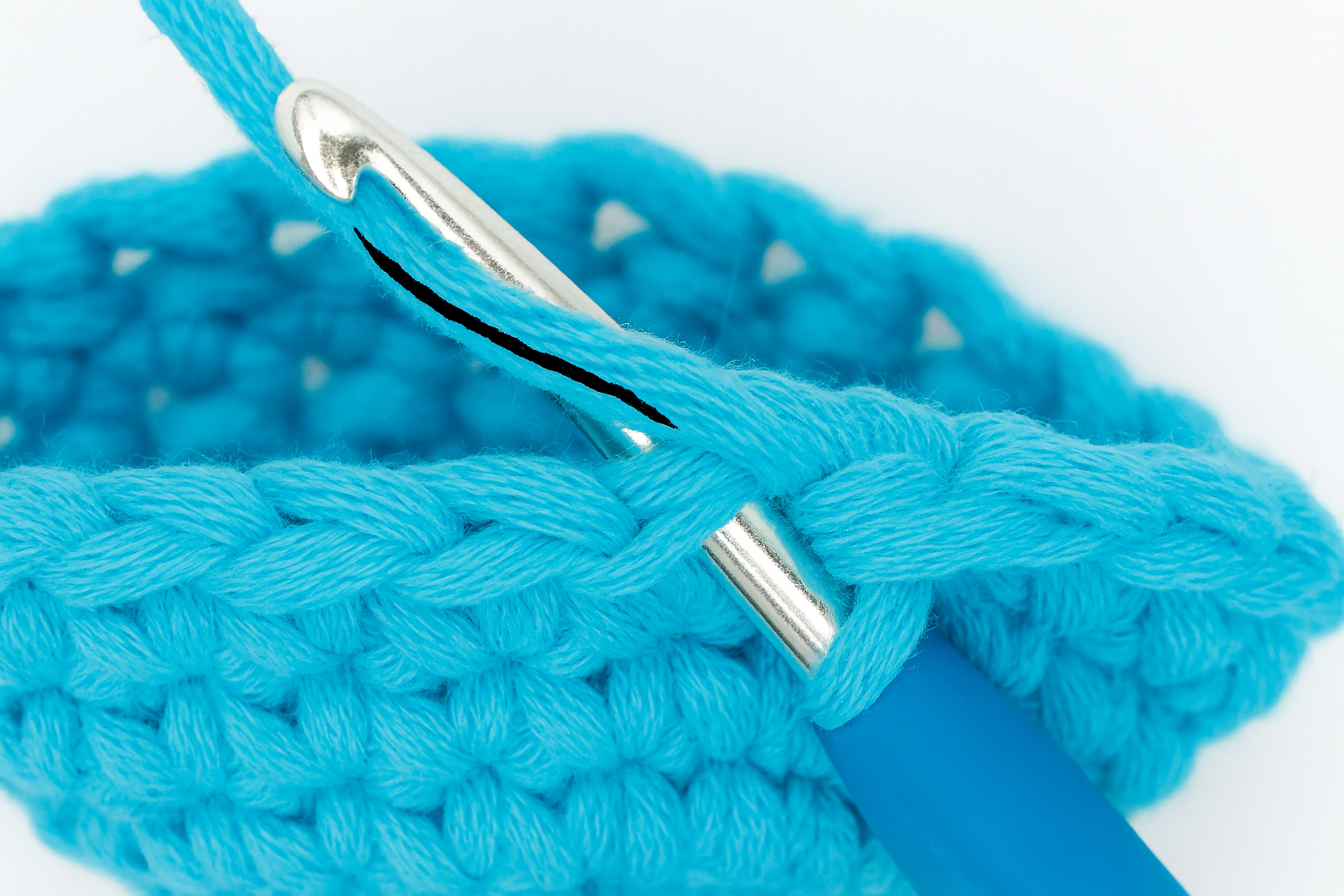
Most crochet toys rely on single crochet because it creates tight fabric. Tight fabric holds stuffing well and keeps toys safe. If a designer accidentally uses UK single crochet when they expect US single crochet, the stitch becomes taller and looser. Gaps appear. Shapes stretch. Safety drops.
I once reviewed a prototype where the toy looked soft but weak. The issue was not yarn or tension. It was terminology. The pattern followed UK terms, but the maker used US logic.
Below is how stitch choice affects production:
| Factor | US Single Crochet | Taller Stitch |
|---|---|---|
| Fabric density | High | Medium |
| Stuffing control | Strong | Weaker |
| Toy shape | Firm and round | Loose and long |
| Safety level | Higher | Lower |
This is why professional factories pay attention to language. UMY uses standardized stitch systems, verified samples, and clear instructions. This keeps toys consistent even when produced at scale.
How Do I Read Patterns Correctly Across Borders?
Always confirm the crochet system before starting. This single step saves hours of rework.
Going Deeper: Practical Rules I Always Follow
When I receive a pattern, I never assume. I scan for keywords like “US terms” or “UK terms.” If nothing is stated, I check stitch behavior. I count loops and height. This habit became critical when I started working with overseas designers.
Here are my basic rules:
| Step | What I Do | Why It Helps |
|---|---|---|
| Check pattern notes | Look for US or UK | Sets the foundation |
| Review stitch abbreviations | sc vs dc | Confirms system |
| Test swatch | Crochet a small sample | Catches errors early |
| Confirm with factory | Align expectations | Avoids mass mistakes |
At UMY, this process is built into development. Designers, technicians, and makers all work from the same clarified version. This is how global teams stay aligned.
Why Terminology Matters for Scaling Crochet Products?
Small language issues grow into big production problems when orders scale.
Going Deeper: From Handmade to Production
When I made pieces alone, I could fix mistakes easily. When production scaled, mistakes multiplied. A wrong stitch term repeated across 1,000 units becomes expensive waste. This is where expert guidance matters.
Scaling needs consistency. Consistency needs clear language. Clear language needs experience. UMY supports this process by translating creative ideas into production-ready patterns. That includes stitch terms, yarn specs, gauge, and size control.
Below is how terminology affects scale:
| Stage | Risk Without Clarity | Result With Clarity |
|---|---|---|
| Sampling | Slow revisions | Fast approval |
| Small batch | Minor rework | Stable output |
| Large batch | Major loss | Predictable quality |
| Global sales | Customer complaints | Strong reviews |
This is why I never treat crochet language as a small detail. It is a business detail.
Conclusion
Americans call single crochet “single crochet,” but knowing this difference protects quality, safety, and growth when crochet crosses borders.

 Chinese