
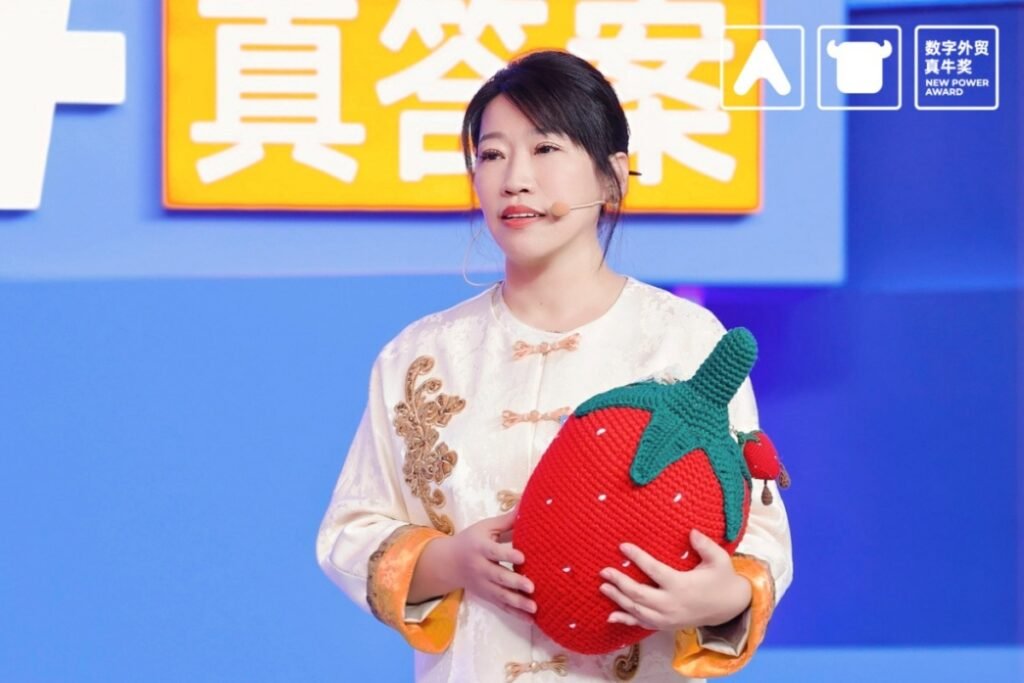
For years, I focused on production and delivery, not public voice[^1]. That silence limited trust signals. This invitation resolves that gap and shows how experience gains recognition.
UMY was invited to join a major industry-level debate because of proven manufacturing capability[^2], long-term export experience, and consistent participation in global crochet trade.
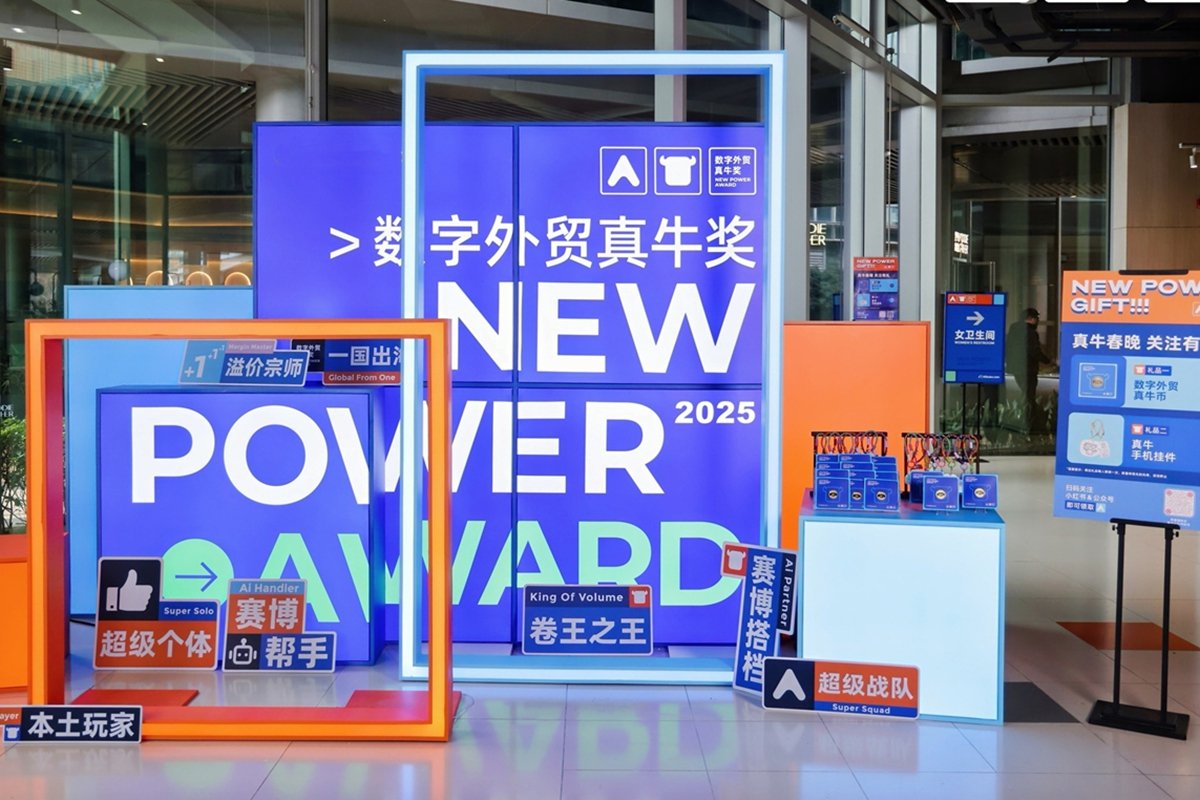
I remember when credibility was measured only by shipment records. Today, credibility also means being asked to speak. This shift explains why our role is changing and why it matters.
Why are experienced factories invited to industry-level debates?
For a long time, I believed debates belonged to platforms and brands only. That belief ignored the role of manufacturers. This invitation corrected that view.
Industry debates invite factories that understand real production challenges, not theory. UMY qualifies because we operate daily inside cost, quality, and delivery constraints.
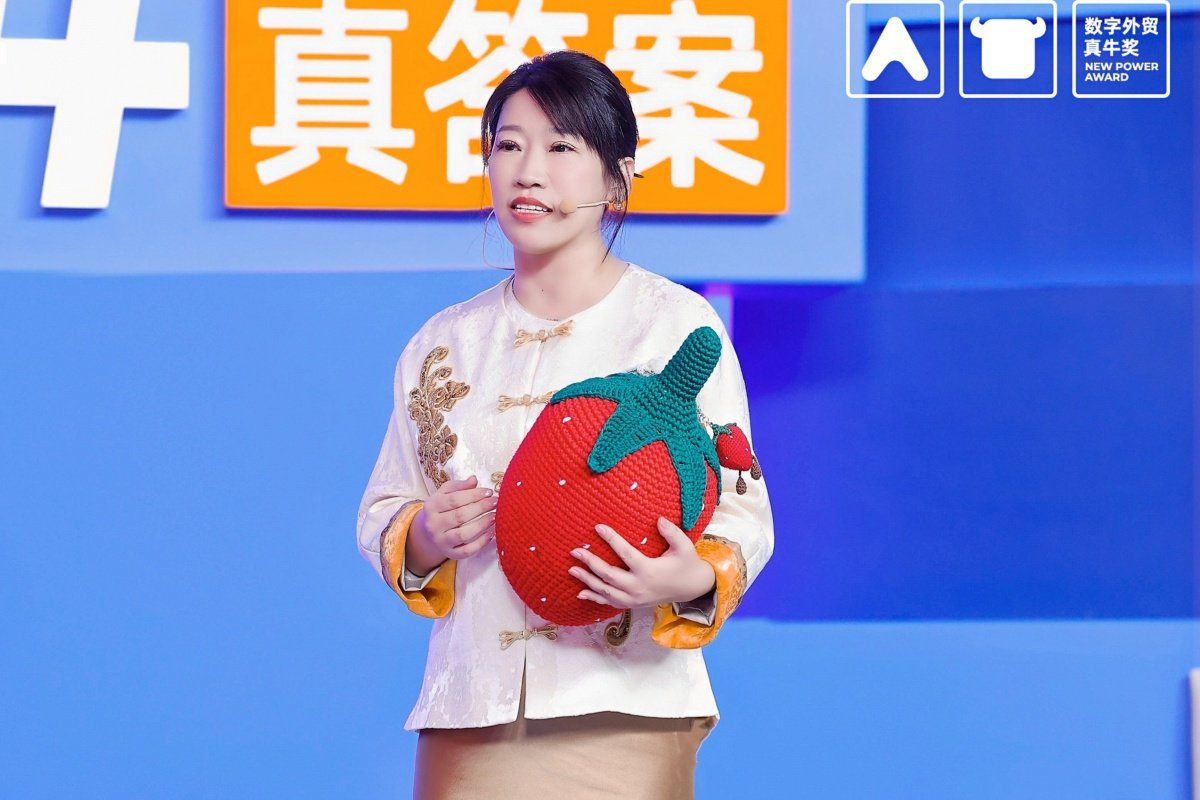
What practical manufacturing experience represents
I see manufacturing experience as accumulated problem-solving. It shows reliability under pressure.
| Experience factor | Practical meaning |
|---|---|
| Long production cycles | Stable systems |
| Repeated export orders | Market trust |
| Process optimization | Cost awareness |
This matters to buyers and designers like Jacky. He works in a structured environment and must defend supplier choices. Platform-backed debate participation supports his internal decision process.
From the platform view, factories like UMY add balance. We talk about labor, sampling errors, compliance limits, and material behavior. These details keep debates grounded and useful.
How does long-term global trade shape UMY’s perspective?
Global trade exposes weaknesses fast. I learned this through real orders, not training manuals. Every market reacts differently.
UMY’s trade experience across the US, Europe, and other regions shapes how we view production, standards, and communication.
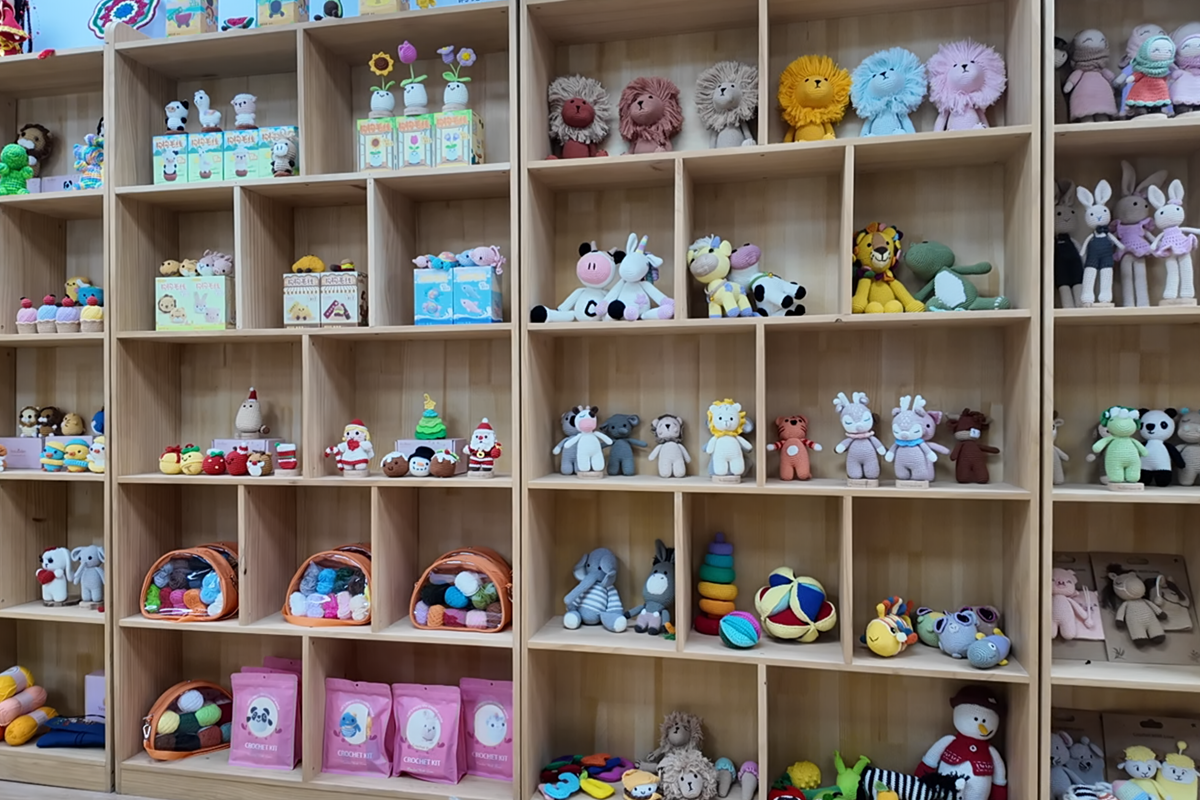
Trade exposure and decision quality
I noticed that long-term exporters think in systems, not events.
| Trade element | Insight gained |
|---|---|
| Compliance rules | Prevention mindset |
| Buyer feedback | Design refinement |
| Logistics limits | Time planning |
This perspective helps industry conversations stay realistic. We speak about what can scale and what cannot. That honesty builds trust.
For product designers, this matters. Jacky needs early warnings, not late surprises. Trade-based insight supports that need.
I see this debate role as sharing patterns learned over time. These patterns help others avoid repeated mistakes.
What does industry participation change for UMY?
I once believed that good factories stay invisible. Over time, I learned invisibility creates distance. Participation reduces that distance.
Joining industry debates positions UMY as an active contributor, not just a supplier. We explain how handmade manufacturing really works.
Long-term effects of open participation
Engagement builds understanding before problems appear.
| Participation result | Business effect |
|---|---|
| Clear expectations | Fewer disputes |
| Shared viewpoints | Better cooperation |
| Public credibility | Lower buyer risk |
This aligns with our mission. We aim to make business easier for partners. Clear communication supports that goal.
For global buyers and designers, this visibility builds confidence. For the platform, it improves debate quality.
I see this invitation as recognition, not an endpoint. It confirms that steady focus on crochet manufacturing creates long-term value.
Conclusion
UMY’s industry debate invitation reflects real manufacturing strength, global trade experience, and a growing role as a practical voice in modern handmade production.

 Chinese