
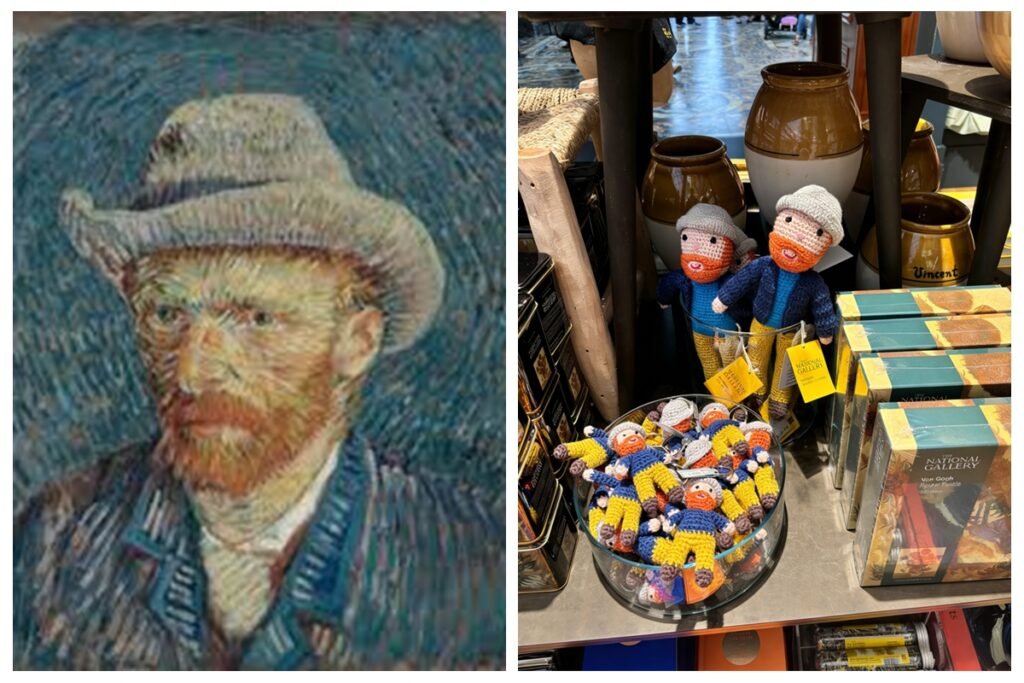
I once wondered if fine art could survive translation. That doubt faded once I saw yarn carry emotion. Crochet became a new artistic language.
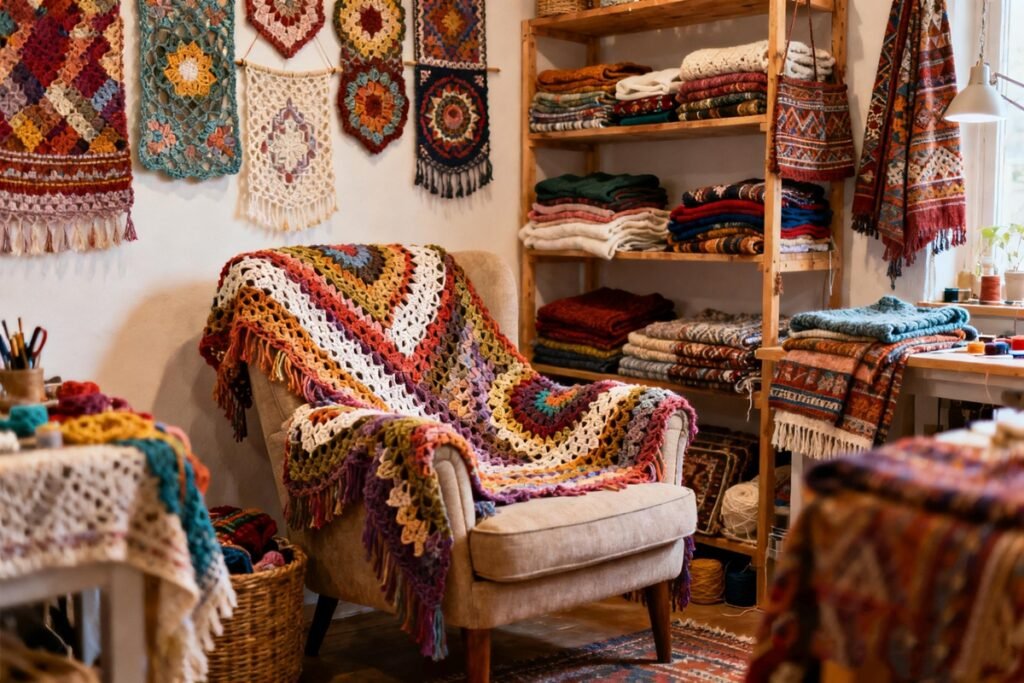
UMY transforms iconic artworks into crochet by translating visual emotion, color rhythm, and form into handmade structures suitable for exhibition and commercial presentation.
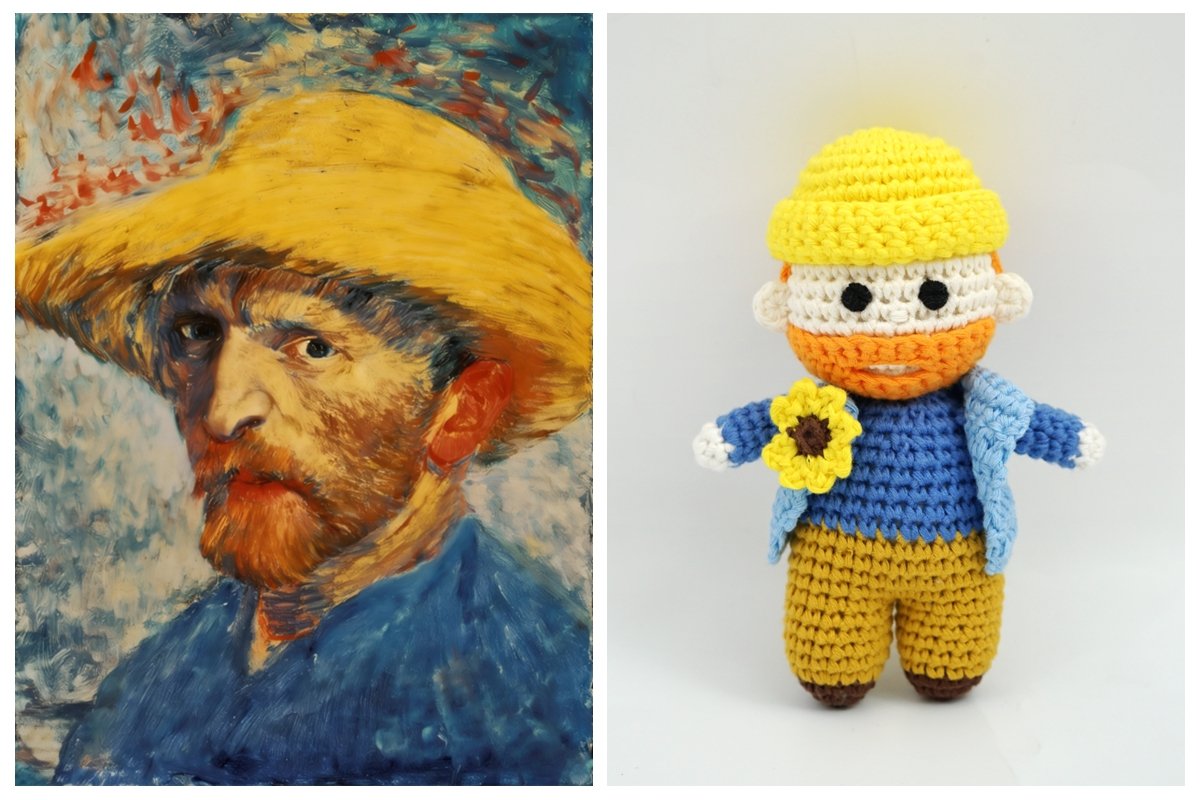
The first time I held an art-inspired crochet piece, I felt tension dissolve. It confirmed that art can live in new forms.
How can famous artworks become crochet creations?
Some think art loses meaning when altered. That fear blocks innovation. Crochet offers reinterpretation, not replacement.
Art becomes crochet through careful abstraction, color mapping, and stitch logic that respects the original spirit.
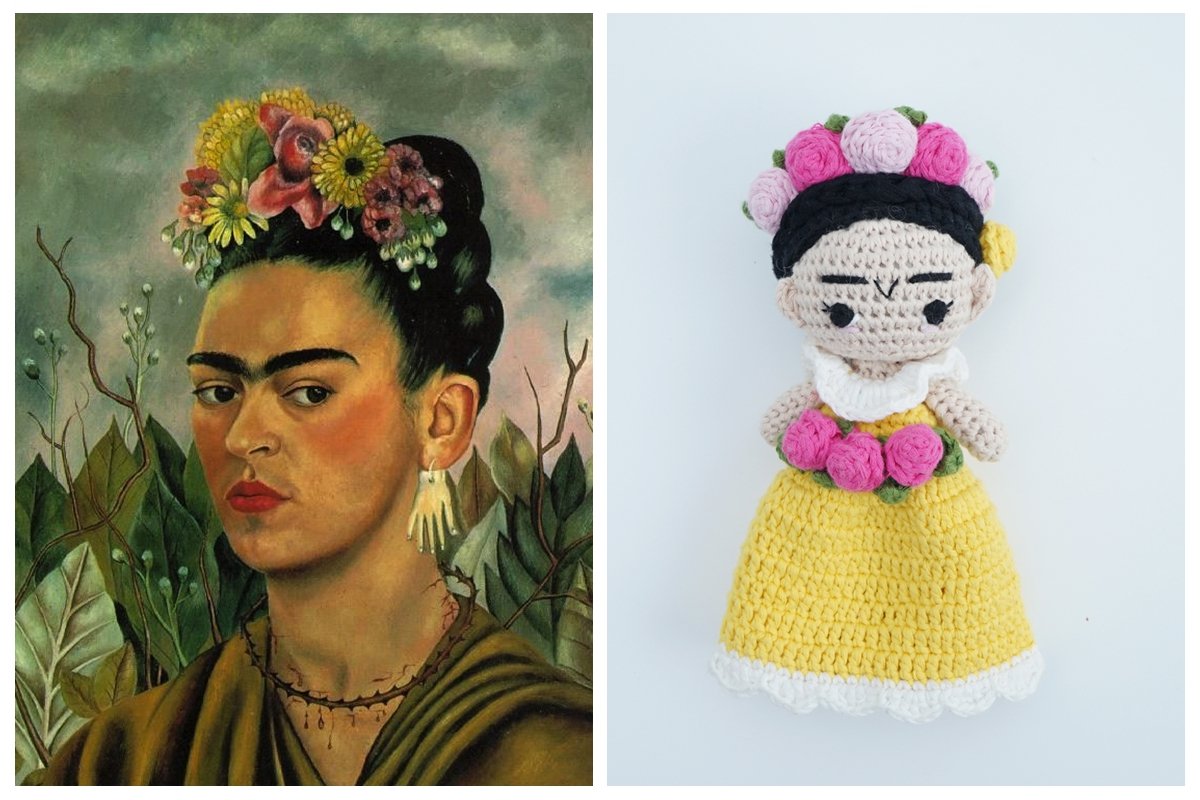
Key translation principles
I learned that restraint matters more than imitation.
| Artwork element | Crochet approach |
|---|---|
| Color emotion | Yarn palette control |
| Visual rhythm | Stitch variation |
| Cultural tone | Form simplicity |
Museums and buyers responded because the pieces felt respectful. They did not copy. They reinterpreted. This balance made the products suitable for museum shops and cultural spaces.
Why do museums and buyers value crochet art pieces?
Buyers seek connection, not decoration. Crochet provides tactile emotion.
Crochet art pieces offer warmth, story, and accessibility while maintaining artistic depth.
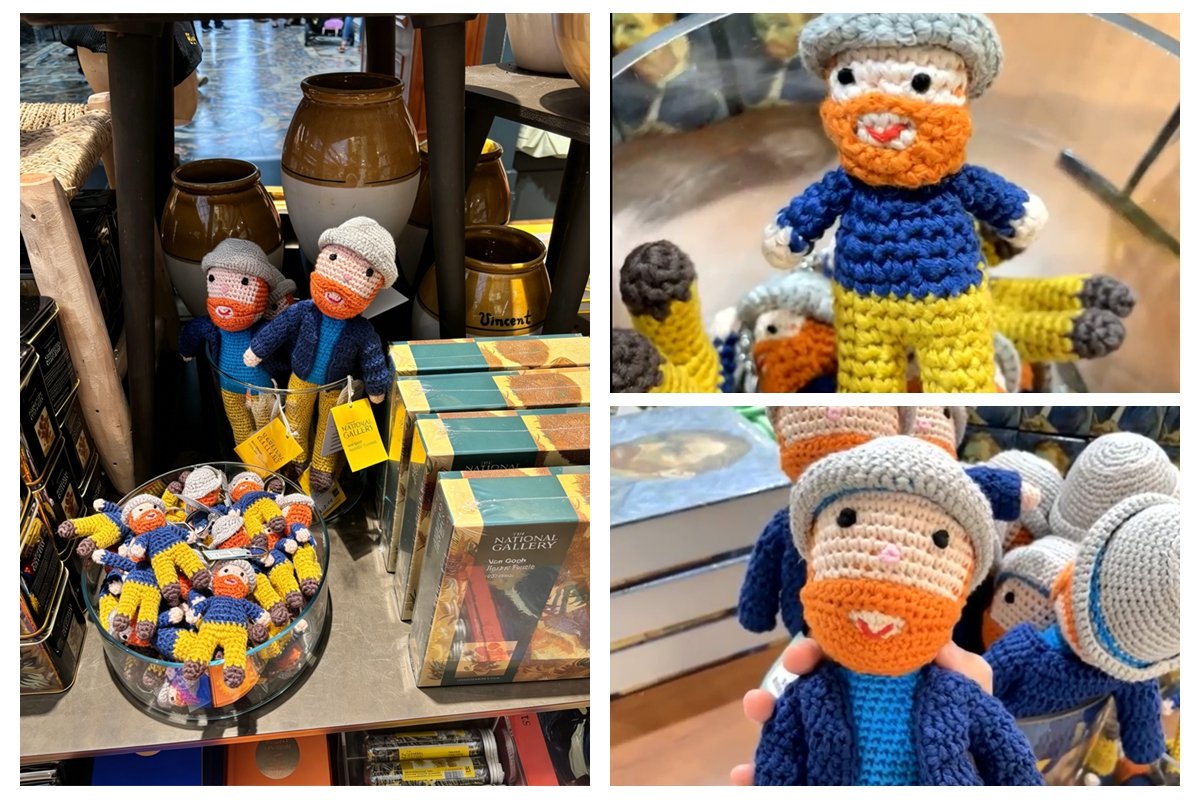
Market value of art-inspired crochet
| Buyer type | Value gained |
|---|---|
| Museums | Cultural storytelling |
| Collectors | Emotional connection |
| Retailers | Distinctive products |
This work showed me that crochet can carry intellectual and emotional weight.
Conclusion
By translating masterpieces into crochet, UMY shows how handmade craft can become a respectful, emotional bridge between fine art and modern production.

 Chinese