

You struggle to find activities that help with focus without feeling restrictive. Traditional hobbies often become boring or overwhelming quickly. You need something that provides structure while allowing creativity.
Crocheting provides repetitive, rhythmic movements that calm the mind while offering enough structure to maintain focus. It combines creativity with a clear process, making it ideal for managing ADHD symptoms while producing tangible, beautiful results.
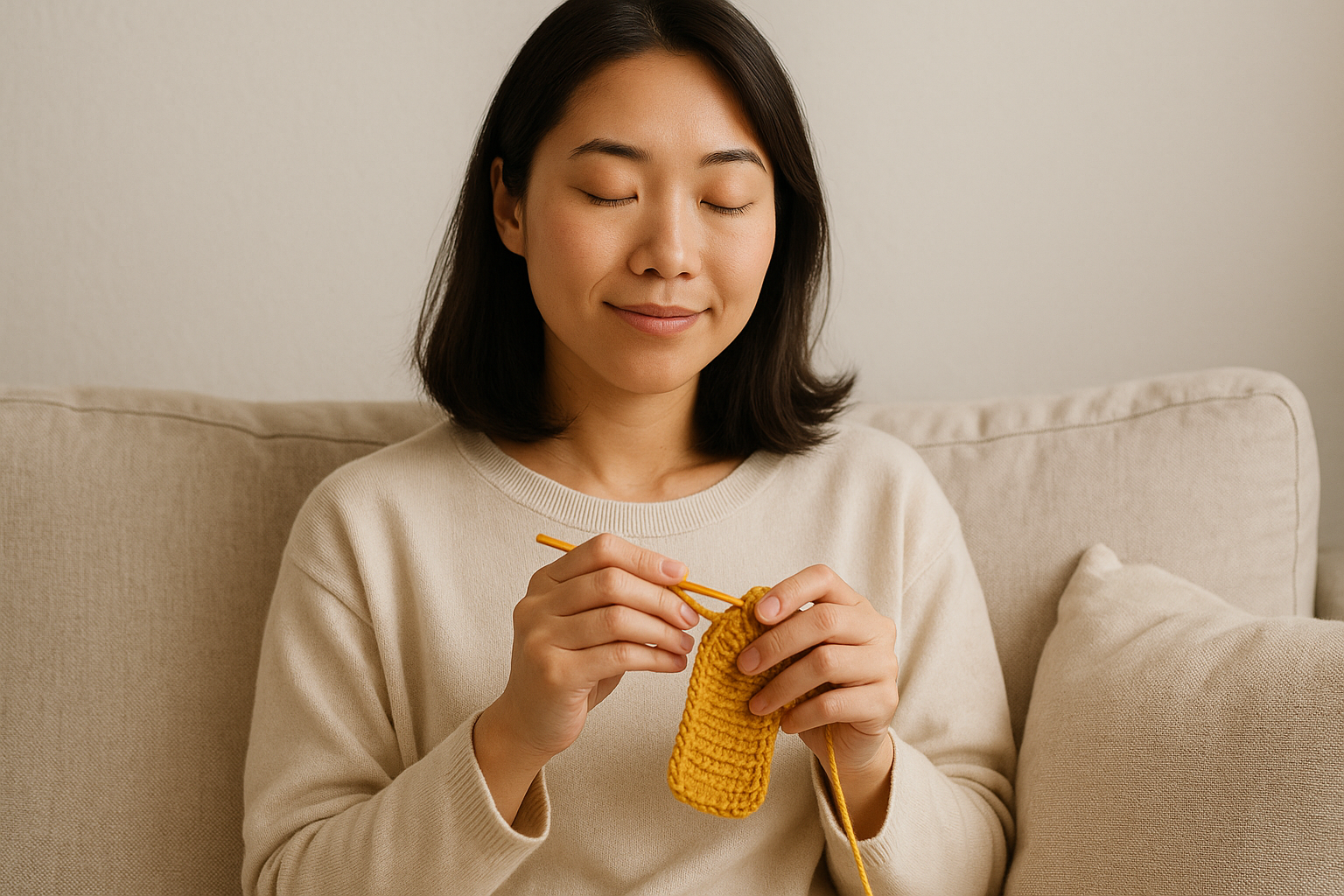
In my years of working with crafters and designers, I've seen how different crafts affect people in various ways. Jacky, who has experience working with individuals with diverse cognitive needs, once shared how crochet helped his niece manage her ADHD symptoms. Seeing the transformation in her focus and mood inspired us to explore how this craft could benefit others with similar challenges. This personal experience led to deeper research into the therapeutic aspects of crochet and how businesses can create products that maximize these benefits.
Crochet for ADHD: A Calming, Creative Hobby Made More Accessible with Beginner-Friendly Kits
You want to try crochet but worry about staying focused or following complex patterns. Many crafts require prolonged attention or have frustrating learning curves that can be discouraging. You need something that supports your unique way of processing information and maintaining interest.
Crocheting offers focus, relaxation, and creative expression for individuals with ADHD, and with thoughtfully designed crochet kits and easy-to-use materials from a professional factory, brands can make this therapeutic craft more accessible and enjoyable for everyone.
Let's explore exactly why crochet works so well for individuals with ADHD. First, the repetitive nature of crochet stitches creates a rhythmic motion that can calm the mind. This repetition helps regulate the nervous system, similar to how meditation works. The physical movements required—wrapping yarn around the hook and pulling it through loops—provide tactile stimulation that many with ADHD find grounding. I've observed crocheters enter a state of "flow" where their focus narrows to the current stitch, providing a temporary break from overwhelming thoughts.
Second, crochet offers structure without being overly restrictive. Unlike some crafts that require strict adherence to rules, crochet allows for creativity within a framework. This balance is crucial for ADHD, as it provides enough guidance to maintain focus while leaving room for experimentation and personal expression. The ability to see progress stitch by stitch also creates a sense of accomplishment, which reinforces continued engagement and helps build confidence.
Here's how crochet specifically addresses common ADHD challenges:
| ADHD Challenge | How Crochet Helps | Benefits for Individuals |
|---|---|---|
| Difficulty Sustaining Attention | Repetitive stitches create natural rhythm | Provides structure without rigidity |
| Restlessness and Fidgeting | Physical engagement with yarn and hook | Offers productive outlet for excess energy |
| Sensory Sensitivities | Varied textures of different yarns | Provides customizable sensory experience |
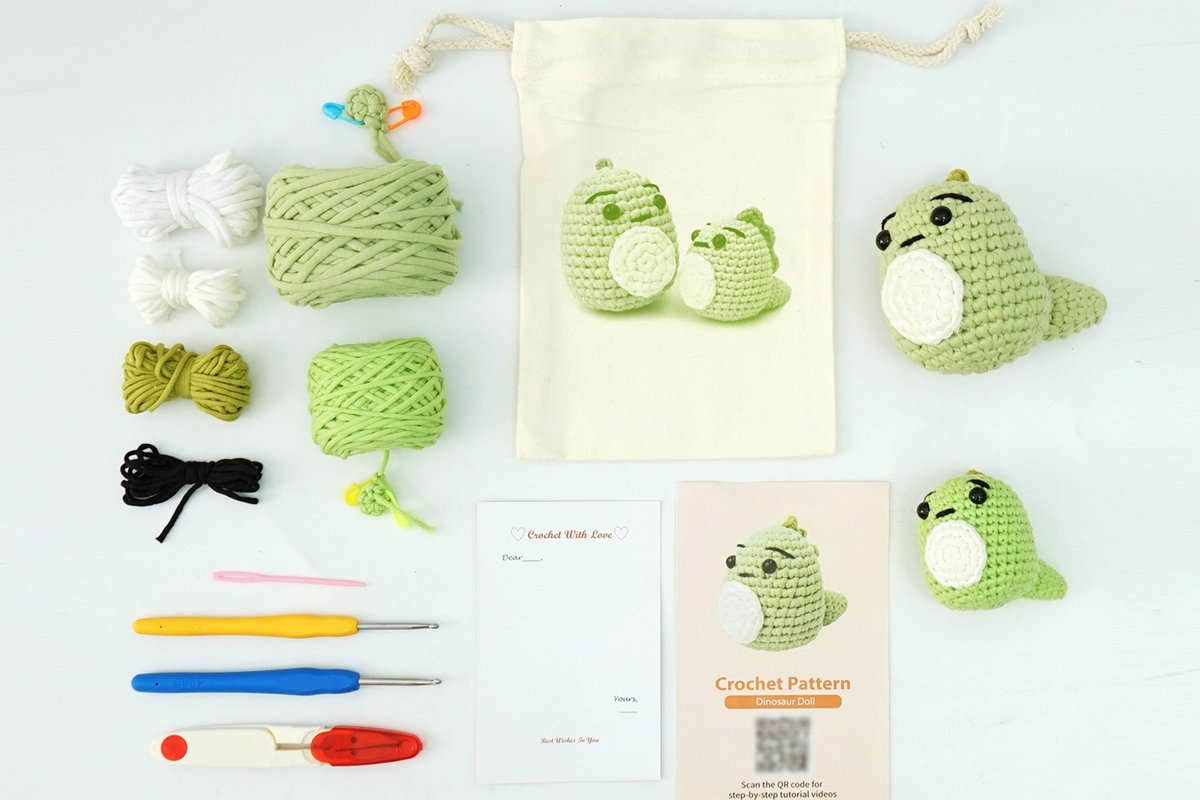
| Task Initiation Overwhelm | Clear starting point with beginner kits | Reduces decision paralysis with curated materials |
| Perfectionism & Frustration | Forgiving nature allows for easy frogging (unraveling) | Encourages experimentation without fear of mistakes |
Third, crochet offers tangible results that can be seen and felt quickly. This immediate feedback loop is particularly helpful for individuals with ADHD, who often struggle with delayed gratification. Completing even a small section of a project provides a sense of achievement that reinforces the behavior and encourages continuation. Jacky once told me how his niece, who usually abandoned hobbies quickly, would crochet for hours on end once she mastered the basic stitches. The combination of rhythmic movement, visible progress, and creative freedom created a perfect match for her cognitive needs.
I recall working with a designer who developed a special line of crochet kits specifically for individuals with ADHD. These kits featured chunky yarns with bright colors, simple patterns with minimal counting, and project sizes that could be completed in shorter sessions. The feedback we received was overwhelming—users reported reduced anxiety, improved focus, and a greater sense of accomplishment. One customer shared how she used crochet during stressful work meetings, keeping a small project in her bag to help her concentrate and stay calm. This experience demonstrated how thoughtfully designed crochet products can truly make a difference in people's lives.
Conclusion
Crocheting is an excellent hobby for individuals with ADHD, offering focus, relaxation, and creative expression. With the right tools and beginner-friendly kits, this therapeutic craft can be made accessible and enjoyable for everyone.



 Chinese