
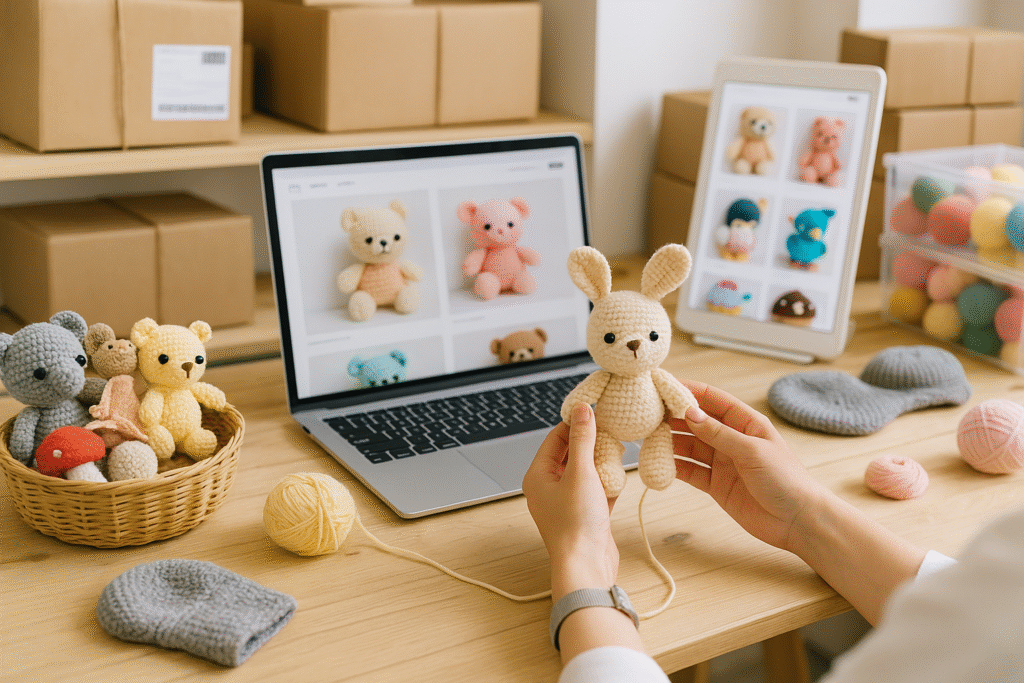
I still remember the first time I tried to calculate my own crochet income and realized how hard it is to grow when everything is handmade by just one person.
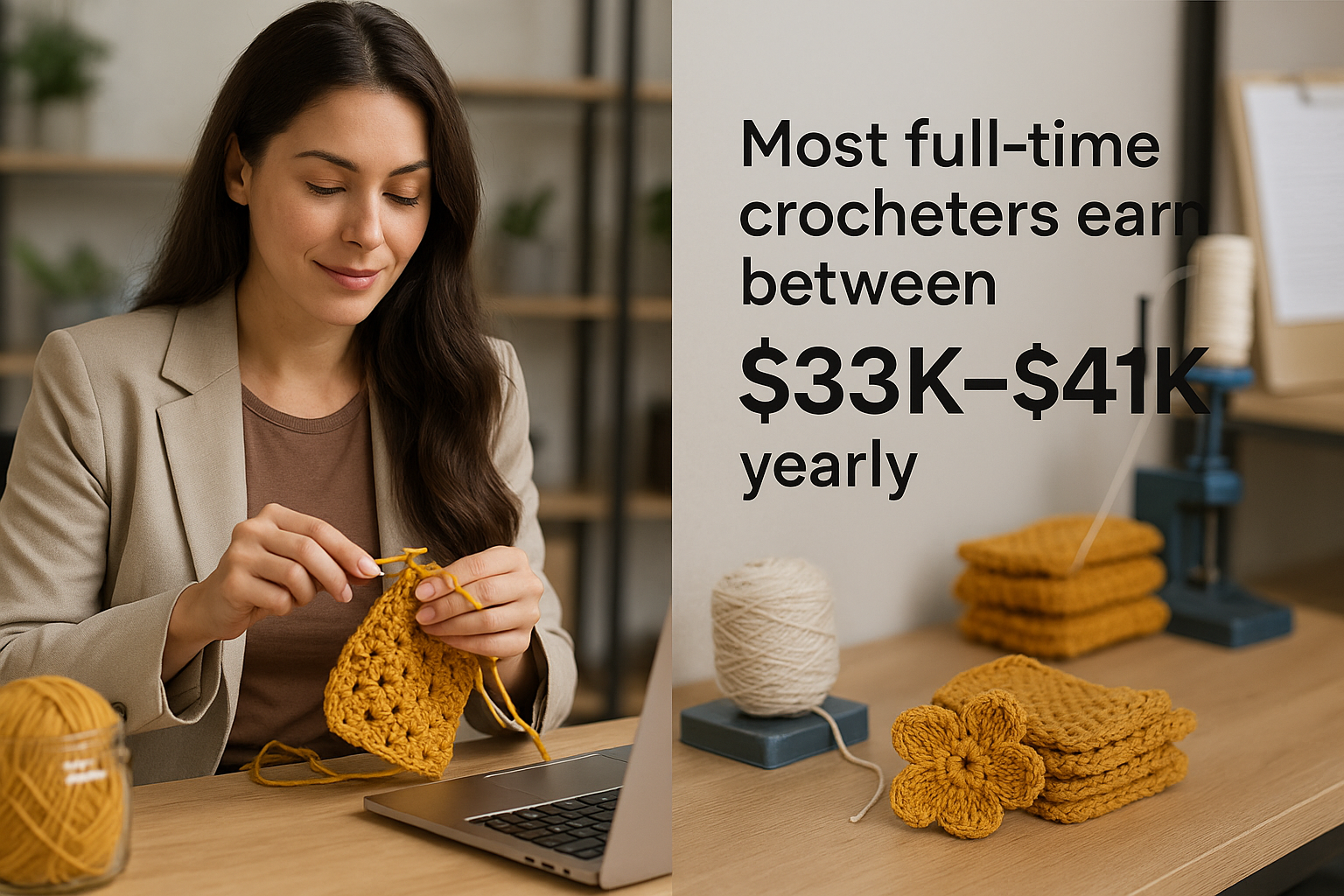
Professional crocheters usually earn around $33K to $41K per year, depending on their niche, speed, and sales channels.
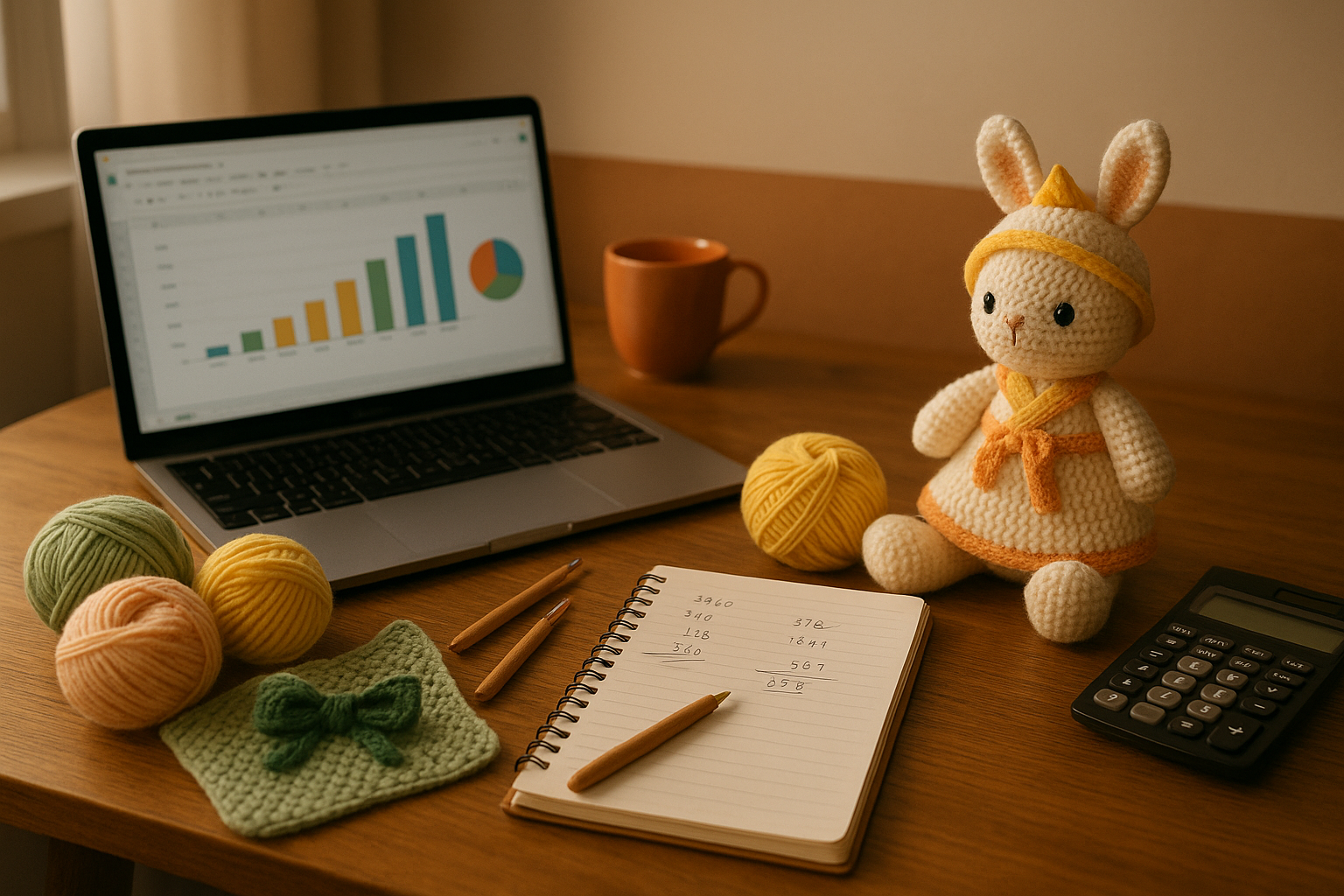
When you understand how crochet income works, you can plan better and build a long-term path that feels steady and sustainable.
How Much Do Professional Crocheters Earn? Building Sustainable Income with UMY’s Supportive Production Partnership?
Many makers feel stuck because they rely only on what they can make with their own hands, and that limits both income and time.
Most full-time crocheters earn between $33K and $41K yearly. When they partner with UMY, they increase product output and break free from the limits of solo production.
What affects a crocheter’s income?
Income changes based on time, skill, and where you sell. Here is a simple breakdown:
| Factor | Why It Matters | Impact on Income |
|---|---|---|
| Speed | More items per month | Higher output |
| Skill level | Complex designs | Higher pricing |
| Sales platform | Market size | More customers |
| Stability | Consistent orders | Steady income |
I learned this when I spent too many nights finishing orders by myself. I knew my income would never grow unless I changed how I worked.
Do crocheters make more when they sell finished products?
Many makers think selling finished goods is the fastest way to earn, but it can be very time-consuming.
Yes, finished products can bring steady income, but your earnings depend on how fast you work and how popular the item is.
Why is selling finished goods challenging?
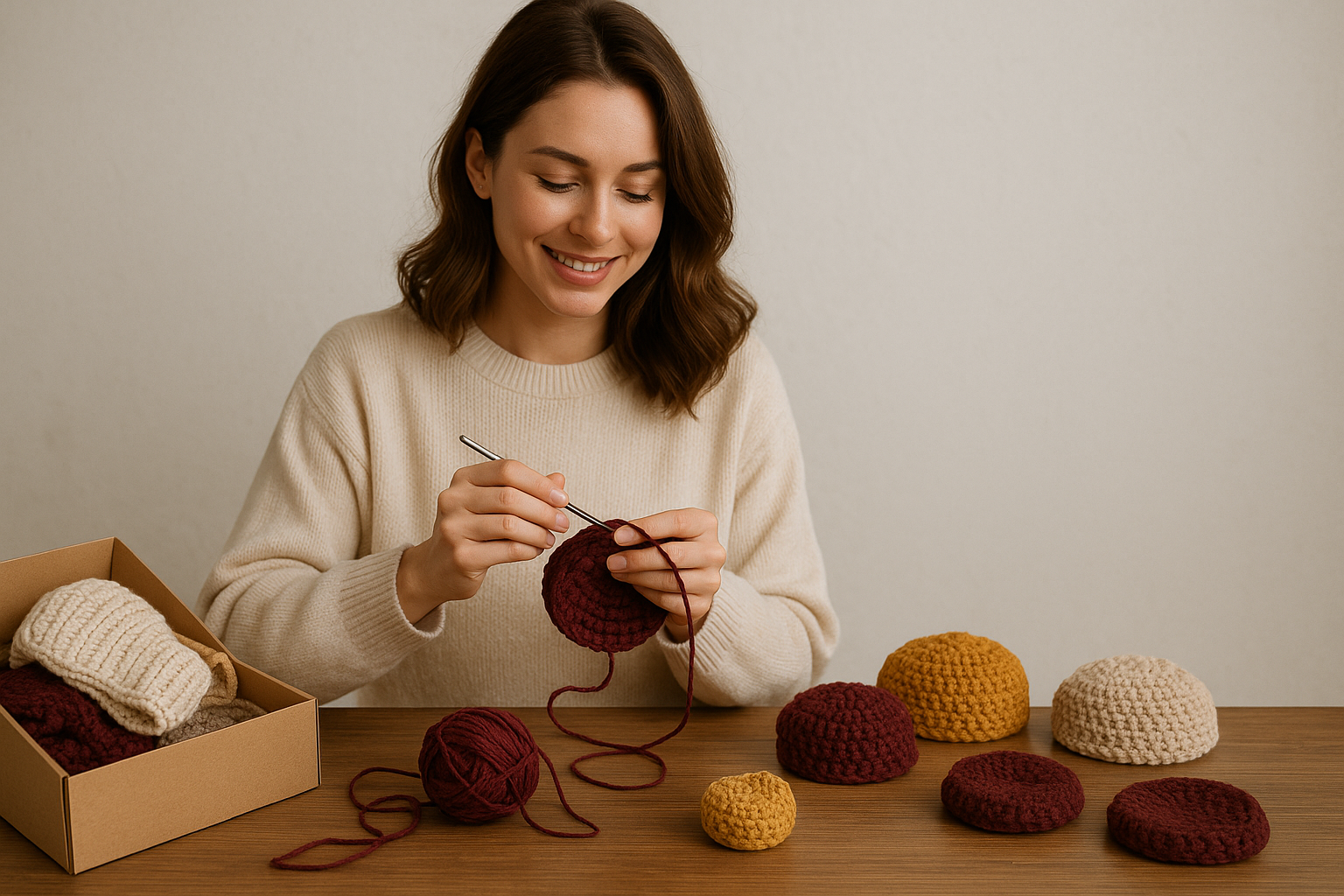
Crocheters often work long hours to keep enough stock. This makes income uneven. Here is how it usually looks:
Selling Finished Crochet Goods
| Challenge | What Happens | Why It Limits Income |
|---|---|---|
| Slow production | Handmade takes time | Fewer items per month |
| Burnout risk | Long hours | Hard to grow |
| Inconsistent orders | Seasonal demand | Unstable income |
| Hard scaling | One pair of hands | No production support |
I remember trying to make 50 small amigurumi for a holiday market by myself. I finished them, but the whole month felt like a marathon. Many creators reach this point and look for help from artisan teams like UMY to increase production.
Do designers and pattern creators earn differently?
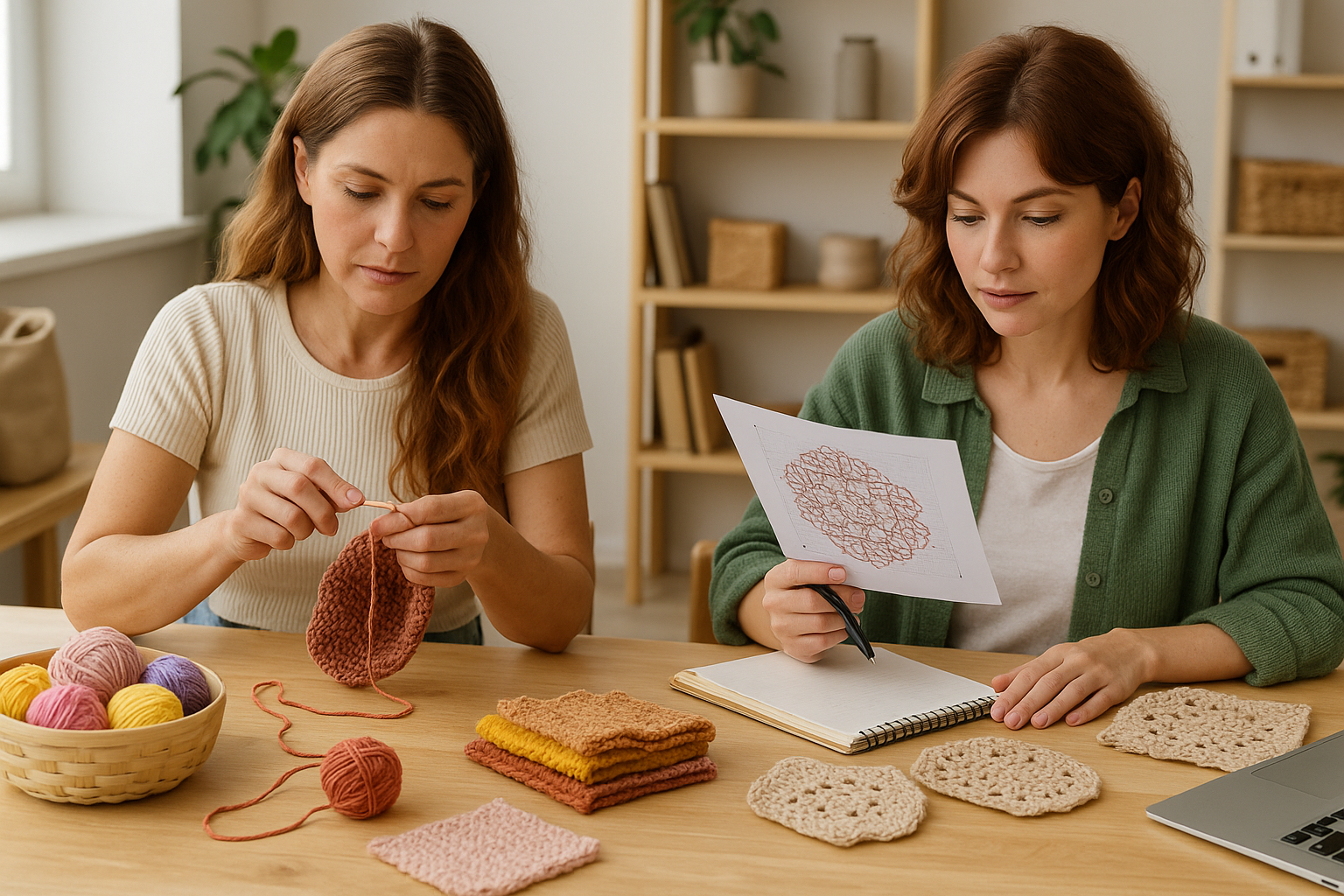
Many crocheters wonder if designing patterns is easier or more profitable than making finished products.
Pattern designers can earn more passive income over time, but it takes strong branding and a loyal audience to reach higher levels.
Why do some designers earn more?
Patterns sell repeatedly without extra production time. But building trust takes effort. Here is the structure:
Pattern Designer Income Factors
| Factor | What It Means | Effect on Income |
|---|---|---|
| Audience size | More fans | More sales |
| Pattern quality | Clear instructions | Good reviews |
| Product photos | Strong visuals | Higher demand |
| Community | Testers and makers | Faster growth |
I once wrote a pattern that became popular, but before that, I had several that barely sold. It taught me that design income grows slowly but can become steady in the long term.
Can a crocheter earn more by partnering with a production team?
Many creators hit a ceiling because they only rely on their own hands, and this makes growth slow and exhausting.
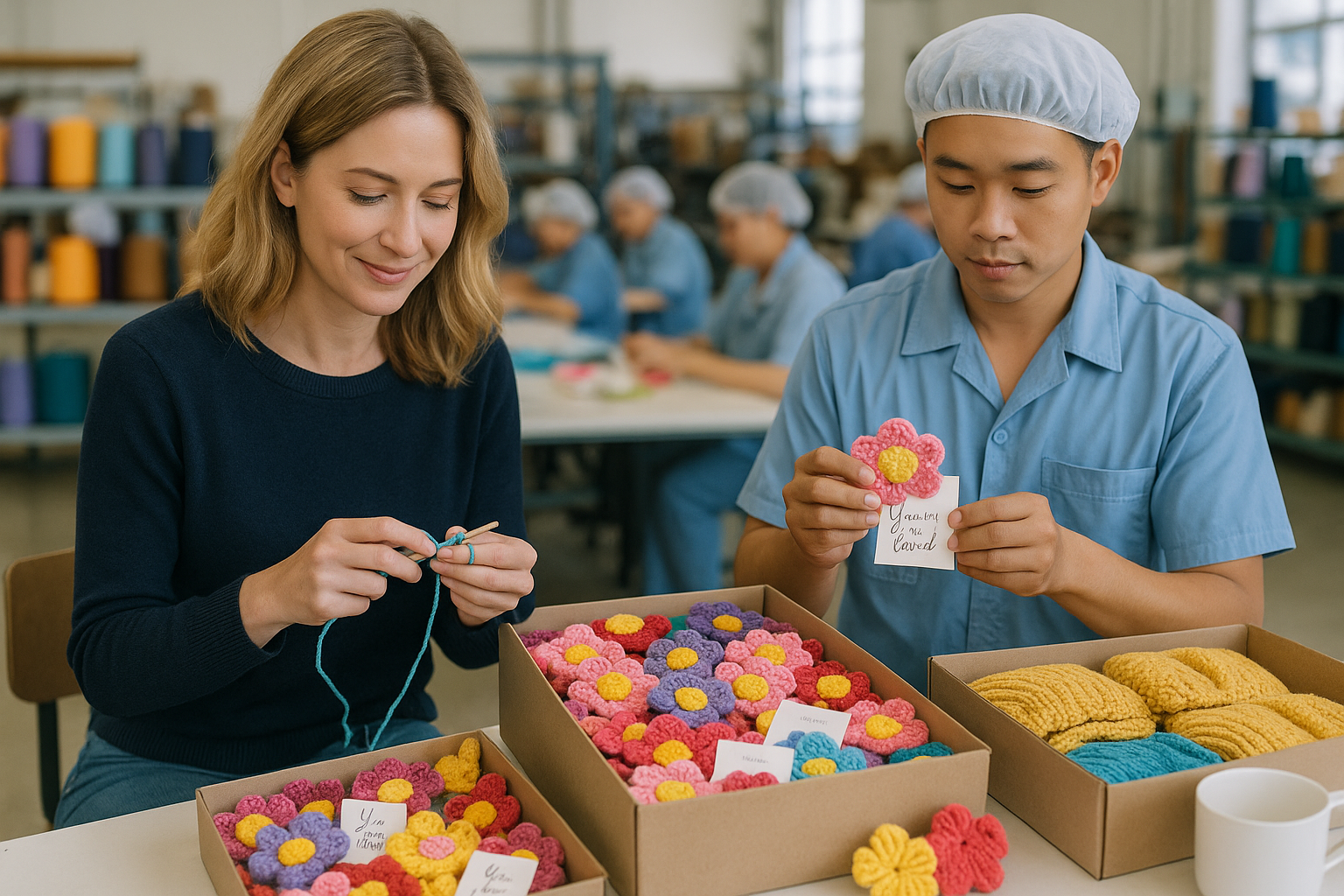
Yes, crocheters can earn more when partnering with a skilled production team like UMY because they can increase output without sacrificing quality.
How does a production partner change income?
A team helps you move from single-maker limitations to small-batch or mass production. Here is how it normally works:
Income Growth with UMY Production Support
| Support | What UMY Helps With | Income Effect |
|---|---|---|
| Sample making | Clean and accurate | Faster launches |
| Bulk production | Consistent batches | More inventory |
| Skilled artisans | 30 years’ experience | High quality |
| Scalability | Handles large orders | Larger income potential |
One brand owner told me that before working with UMY, she struggled to deliver 100 units per month. After partnering with us, she expanded to over 2,000 units monthly without losing her design style.
Conclusion
Crocheters earn more when they understand their income paths and use the right support to grow beyond solo handmade limits.

 Chinese