
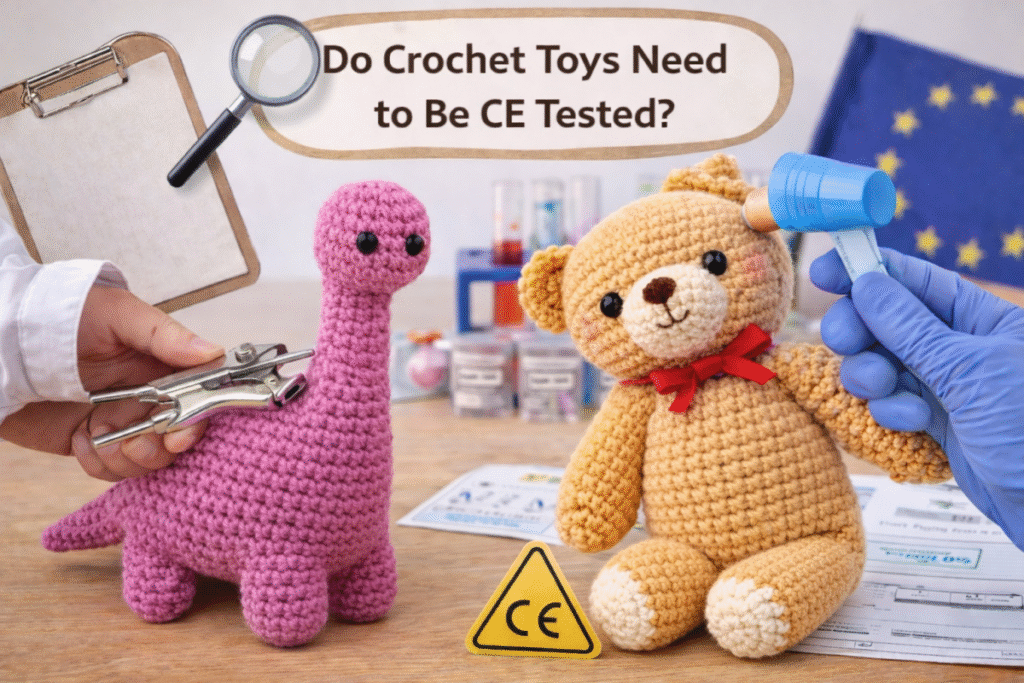
Many small brands assume handmade means simple. But when selling toys in Europe, missing safety rules can stop shipments, cause recalls, or even block your products from entering the market.
Yes. Crochet toys sold in the EU must comply with CE requirements under the Toy Safety Directive. Handmade or small-batch products are not exempt. You need safety testing, risk assessment, technical documentation, and proper labeling before placing toys on the EU market.
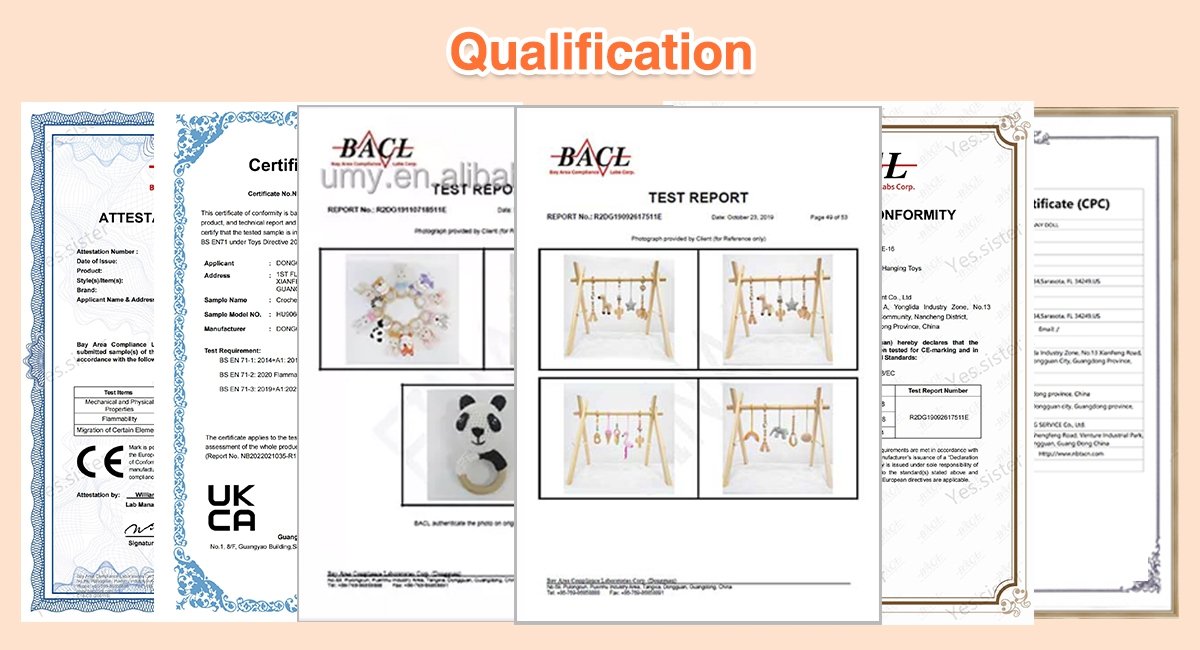
Understanding CE rules early saves time, money, and stress later. Once safety is built into product development, brands can scale confidently instead of fixing costly compliance problems after production.
What Does CE Compliance for Crochet Toys Actually Involve?
Many people think CE is just a label. In reality, it represents a full safety evaluation process that protects children and reassures retailers and regulators.
CE compliance for crochet toys involves testing for mechanical hazards, small parts, flammability, and harmful chemicals, plus creating technical documentation and a Declaration of Conformity. The manufacturer or importer is legally responsible.
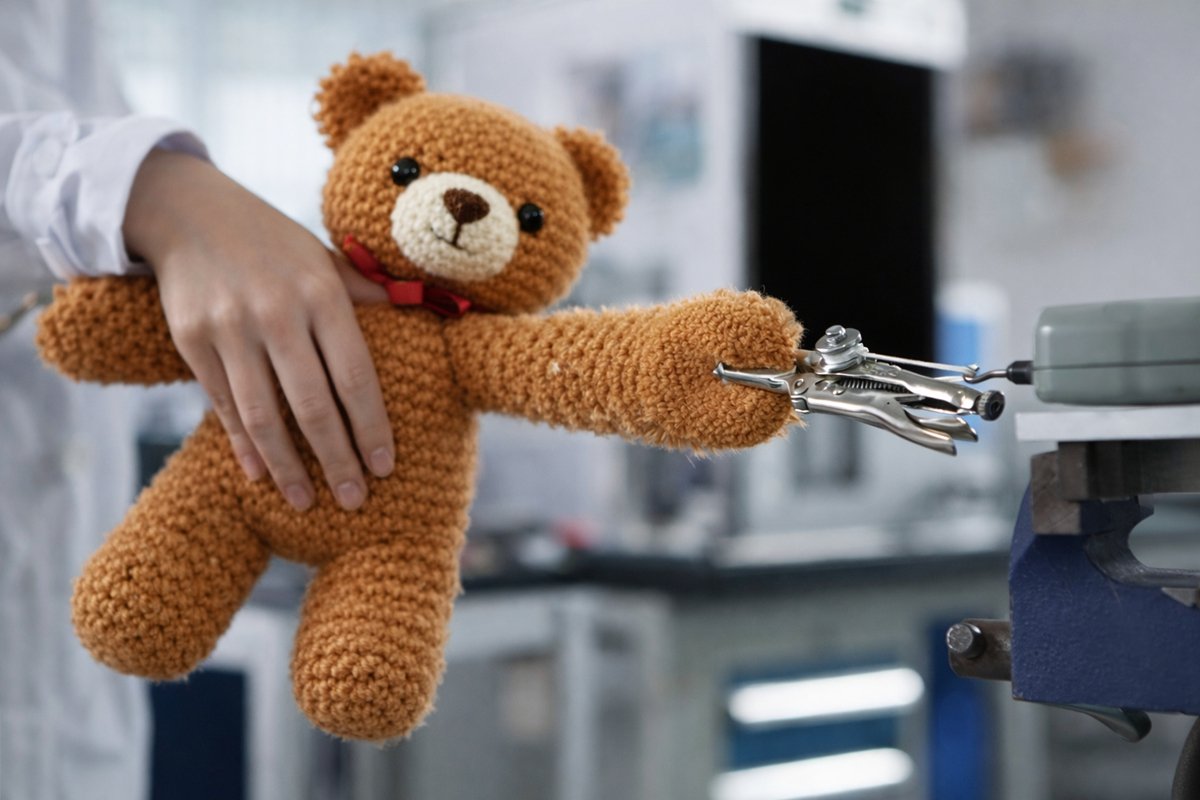
Key Safety Areas for Soft Crochet Toys
Even soft toys must meet strict standards
| Safety Area | What Is Checked | Why It Matters |
|---|---|---|
| Small parts | Eyes, buttons, decorations | Prevents choking hazards |
| Seams & strength | Pull and tension tests | Stops parts from detaching |
| Filling materials | Fiber safety & cleanliness | Avoids internal hazards |
| Flammability | How fast material burns | Reduces fire risk |
| Chemical safety | Dyes and yarn substances | Protects children’s health |
Crochet toys often look harmless, but loose stitching, unsafe accessories, or untested yarns can fail compliance checks. Designing with safety in mind from the start is much easier than redesigning later.
Who Is Responsible for CE Marking on Crochet Toys?
It’s common to think the factory or the seller automatically handles everything. In EU law, responsibility depends on your role in the supply chain.
The brand owner, manufacturer, or EU importer placing the toy on the market is legally responsible for CE compliance. This includes keeping technical files, test reports, and issuing the Declaration of Conformity.
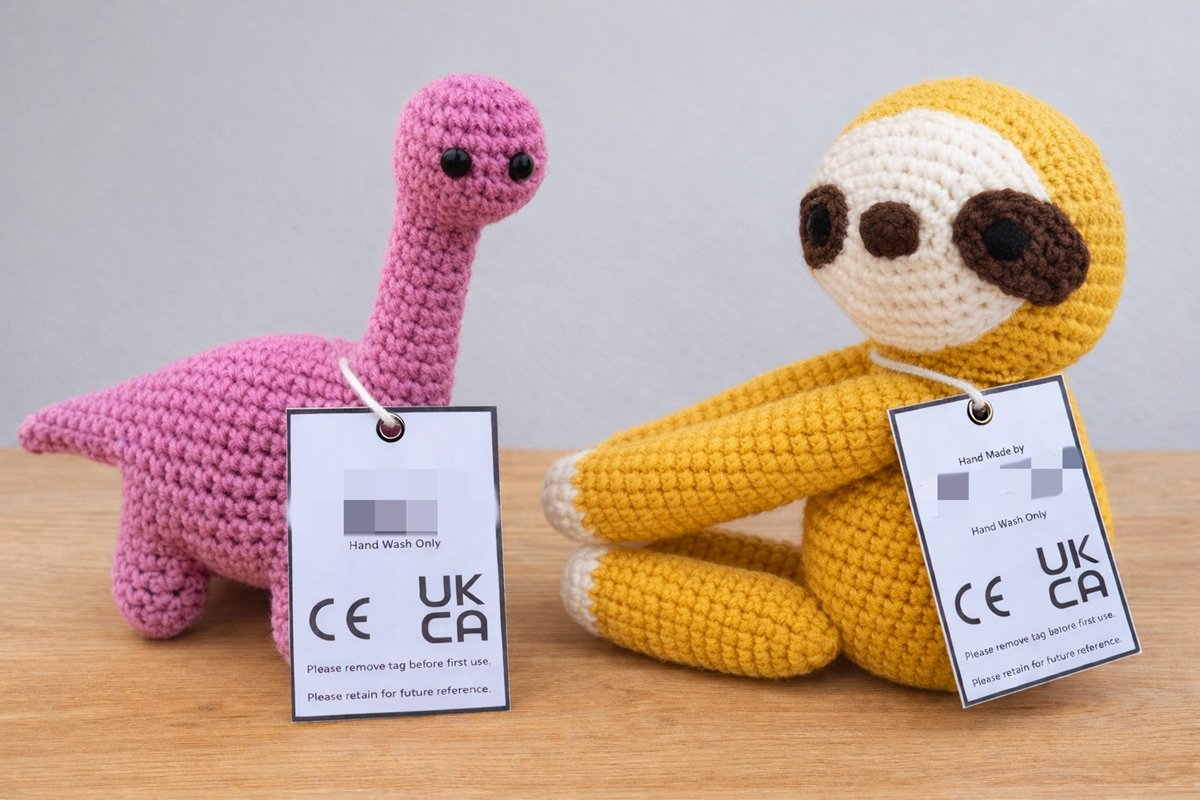
Understanding Your Legal Role
Responsibility shifts based on how you sell
| Your Role | Main Responsibility |
|---|---|
| Brand owner | Ensure design meets safety rules |
| Manufacturer | Control production safety and consistency |
| EU importer | Verify compliance before selling in EU |
| Distributor | Check labeling and documentation presence |
Clear communication with your production partner is critical. Safety is not just a lab step — it involves materials, construction methods, and quality control throughout production.
How Can Brands Make CE Compliance Easier from the Start?
Trying to handle compliance after products are finished often leads to delays, redesigns, or failed tests. Planning for CE during development makes everything smoother.
Brands can simplify CE compliance by choosing child-safe materials, avoiding detachable small parts, keeping clear production records, and working with experienced crochet manufacturers familiar with EU toy standards.
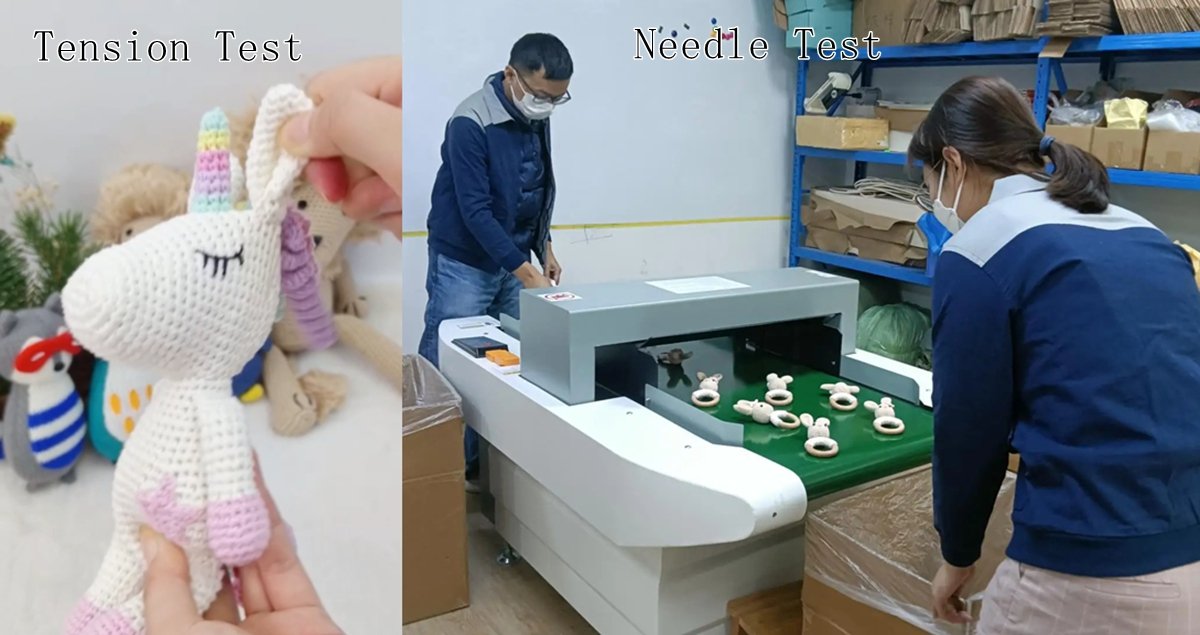
Building Compliance into Product Development
Smart preparation reduces risk
| Early Action | Benefit |
|---|---|
| Use certified yarn suppliers | Fewer chemical testing issues |
| Avoid glued accessories | Lower choking hazard risk |
| Standardize stitching methods | Better strength test results |
| Keep material records | Faster technical file preparation |
Experienced crochet factories understand how design choices affect testing outcomes. That knowledge helps brands create toys that are not only beautiful and handmade, but also ready for safe, legal sale in the European market.
CE testing for crochet toys is not optional. With the right preparation and knowledgeable partners, safety compliance becomes a structured process that supports long-term, worry-free business growth.

 Chinese