
I remember wondering if my crochet hobby could ever pay my bills. At first, it felt impossible to earn enough without working around the clock.
Yes, you can make a living from crocheting, but it requires skill, smart business choices, and often scaling production beyond what one person can make.
I wrote this guide because I want makers to see that turning crochet into income is possible with the right approach and support.
What factors determine if crocheting can be profitable?
Many new crocheters think selling a few pieces online is enough, but income depends on several key factors.
Profitability depends on item popularity, pricing, production speed, and the ability to scale. Simple handmade items can sell well, but volume and consistency drive sustainable income.
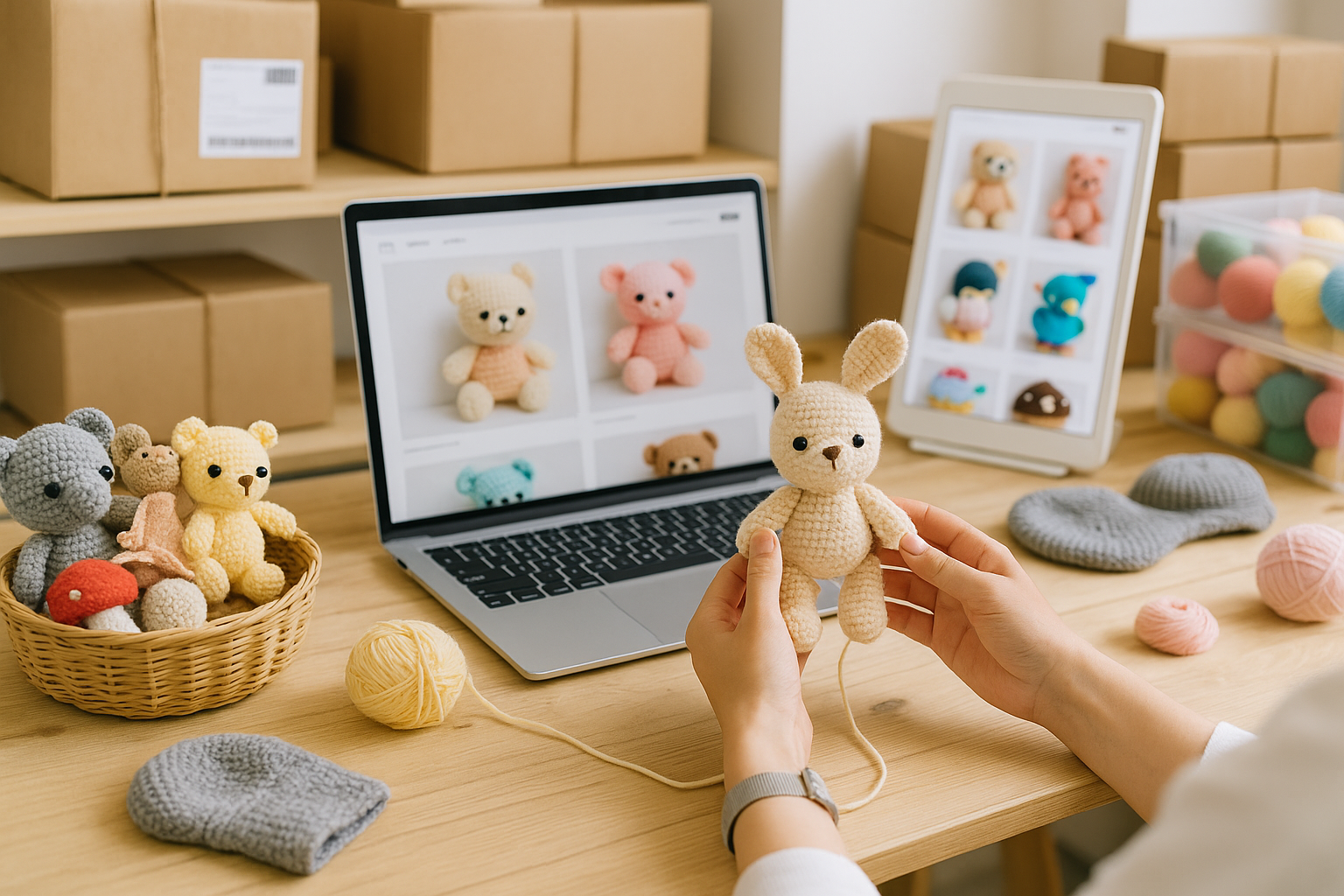
Key factors for crochet income
When I looked at successful crochet businesses, I saw patterns in how they structured income. Here is a breakdown:
| Factor | How It Affects Income | Example |
|---|---|---|
| Product type | Popular or niche items sell better | Amigurumi, baby toys |
| Pricing strategy | Covers materials, time, and overhead | $20–$50 per small toy |
| Production efficiency | Faster output | Using a team or factory support |
| Market reach | Online shops, craft fairs, wholesale | Etsy, Shopify, local markets |
I learned that without planning production and pricing, even beautiful items might not bring enough profit. Partnering with UMY allows creators to maintain quality while producing more units, which is key to making crochet a viable career.
How can scaling production improve income?
I often worked alone and realized I could only make so much in a week. That limited my income no matter how popular my items were.
Scaling production with skilled artisans or a factory helps maintain quality while increasing output. This opens doors to larger orders, wholesale, and consistent sales.
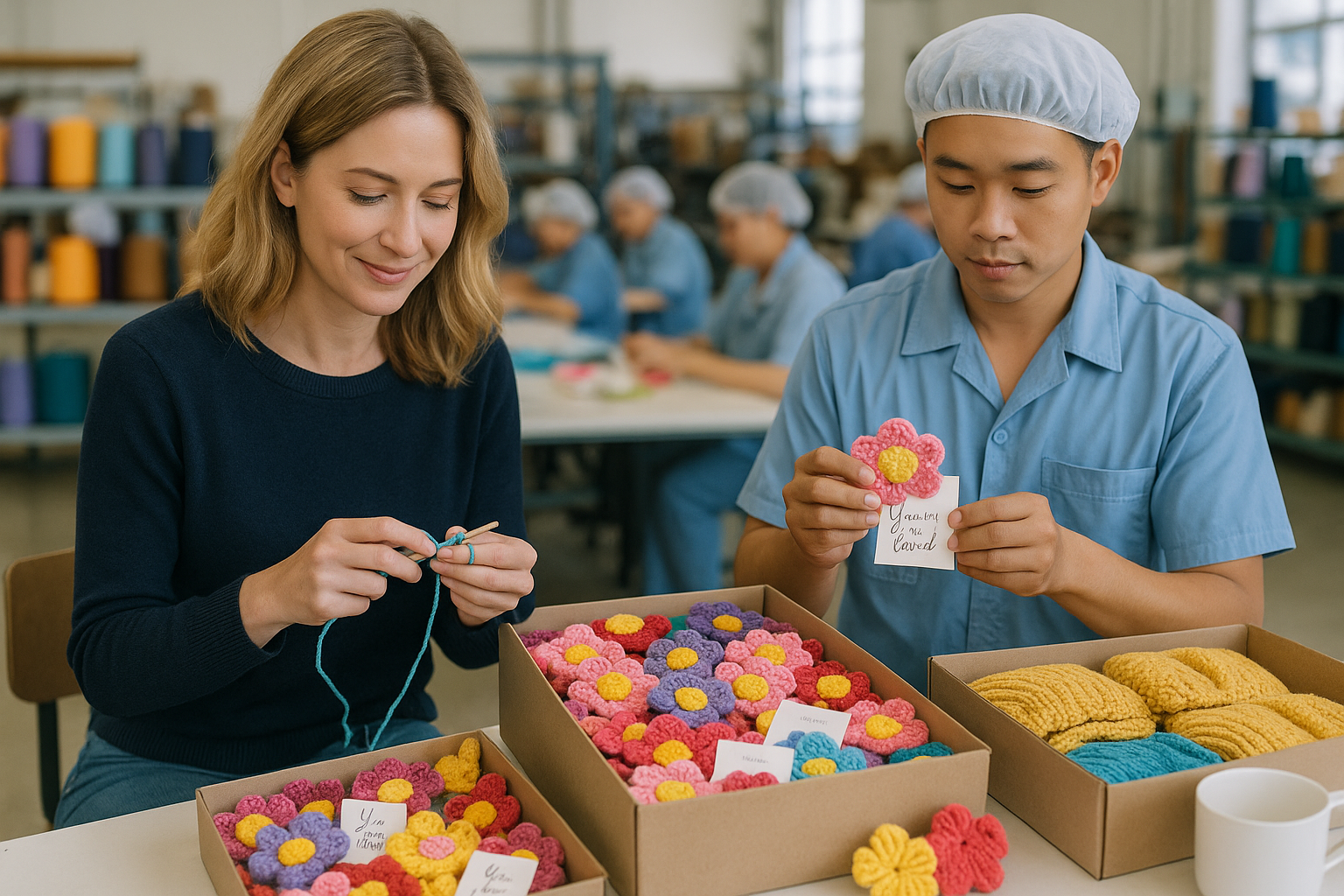
Scaling options and benefits
UMY helps brands and creators by providing production support. Here’s how scaling changes income potential:
| Method | Description | Income Effect |
|---|---|---|
| Handmade solo | You craft each item | Limited, time-bound |
| Small-batch support | Team makes multiple items | Moderate, more inventory |
| Full-scale factory | Consistent quality at high volume | High, stable growth |
I remember a client who struggled with holiday orders. After partnering with UMY, they produced 2,000 units in a month instead of 200, turning a seasonal rush into a major profit opportunity.
What are the common income streams for professional crocheters?
I used to think income came only from selling finished products, but successful crocheters diversify.
Income comes from selling finished goods, teaching classes, selling patterns, and wholesale partnerships. Combining these streams provides stability and growth potential.
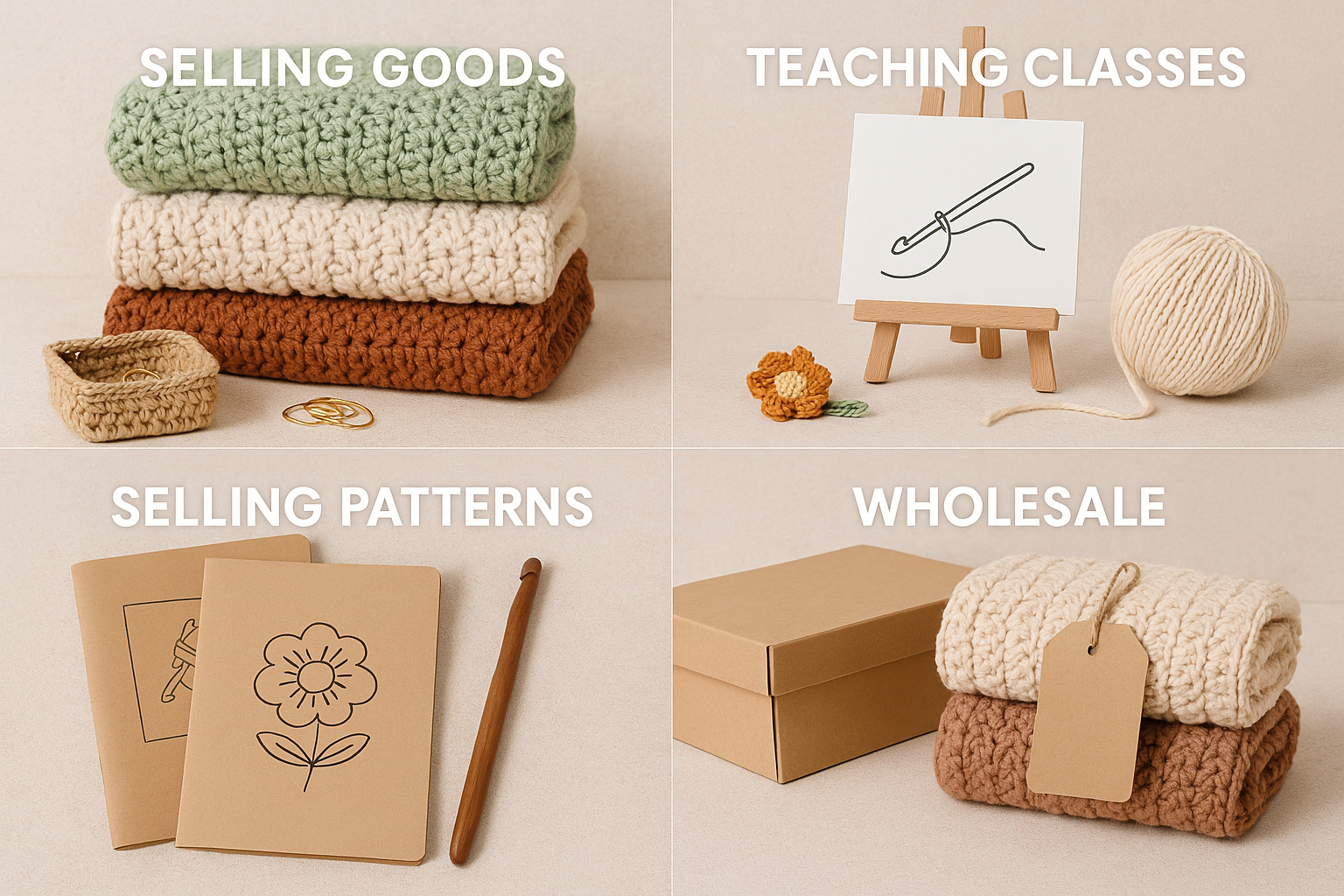
Income streams explained
Here is how I help new makers think about multiple revenue channels:
| Income Stream | How It Works | Benefit |
|---|---|---|
| Finished products | Sell online or in stores | Immediate cash flow |
| Pattern sales | Digital products | Passive income |
| Teaching | Workshops or tutorials | Builds reputation |
| Wholesale | Supply stores or markets | Large orders, higher revenue |
Diversifying income ensures that one slow period won’t stop earnings. Partnering with UMY helps with both production and fulfillment, making it easier to manage multiple streams.
Conclusion
Crocheting can become a full-time career when combined with smart scaling, multiple income streams, and professional production support.

 Chinese