
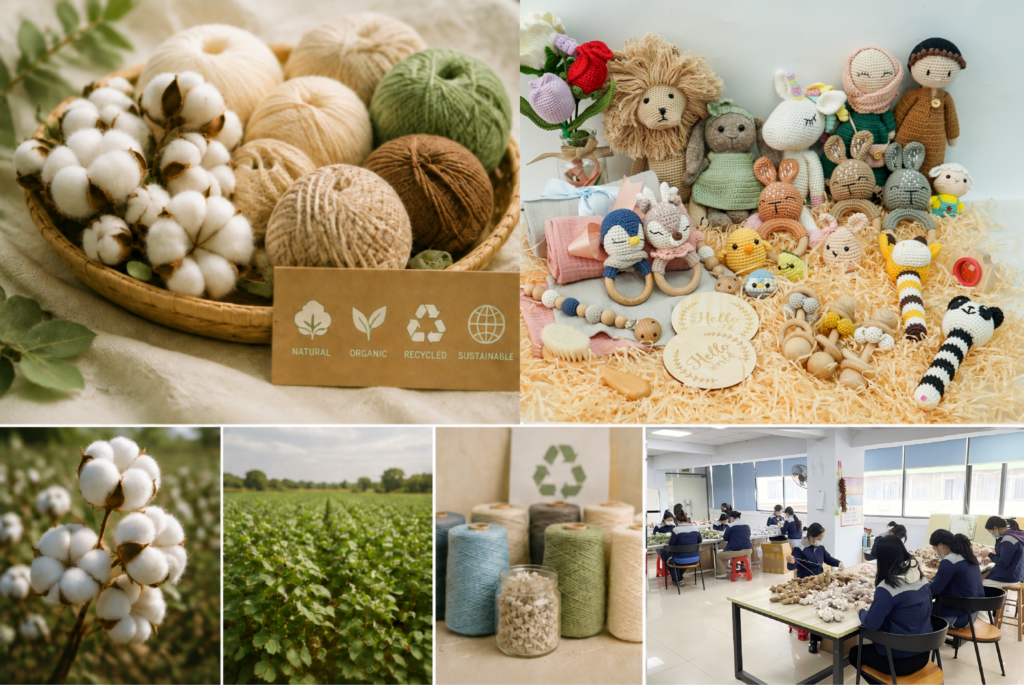
How Responsible Material Choices Help Brands Create Better Crochet Products
When customers purchase handmade crochet products, they are not only buying a product. They are also becoming more interested in:
- Where the materials come from
- How products are made
- Whether production supports responsible practices
- Whether brands are making better long-term choices
For crochet manufacturers, material selection plays an important role in creating products that balance:
- Quality
- Safety
- Durability
- Customer expectations
- Environmental responsibility
At U-MY Crochet, we have specialized in handmade crochet manufacturing since 2013, supporting brands, retailers, gift companies, and cultural organizations across more than 150 countries and regions.
Through years of developing crochet toys, baby gifts, DIY kits, home decorations, and custom collections, we have learned:
Sustainable crochet manufacturing is not about choosing one “perfect” material. It is about selecting the right material based on product purpose, customer expectations, safety requirements, and long-term value.
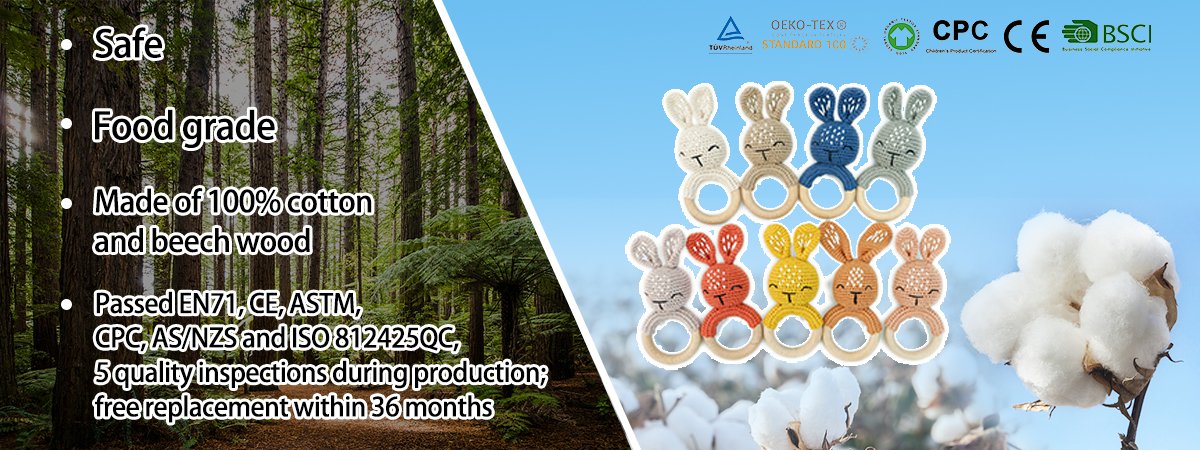
Why Material Selection Matters in Crochet Manufacturing
Unlike many mass-produced products, crochet items are highly connected to the materials used.
The yarn directly influences:
- Product appearance
- Hand feel
- Stitch clarity
- Shape stability
- Durability
- Customer experience
For example:
A baby crochet toy requires soft, safe, and skin-friendly materials.
A retail gift product may prioritize:
- Premium texture
- Color performance
- Packaging presentation
A decorative crochet product may focus more on:
- Shape retention
- Design flexibility
- Visual impact
Therefore, professional crochet manufacturers do not simply select materials based on price.
They consider the complete product lifecycle.
What Are the Most Common Sustainable Materials Used in Crochet Products?
The most commonly considered sustainable crochet materials include:
- Cotton yarn
- Organic cotton yarn
- Recycled fibers
- Blended sustainable materials
Each option has different advantages depending on the application.
1. Cotton Yarn: A Popular Choice for Handmade Crochet Products
Cotton yarn is one of the most widely used materials in crochet manufacturing.
Its popularity comes from a combination of:
- Soft texture
- Natural appearance
- Good stitch definition
- Breathability
- Easy maintenance
- Crochet dolls
- Amigurumi toys
- Baby products
- Crochet flowers
- Home decorations
- DIY crochet kits
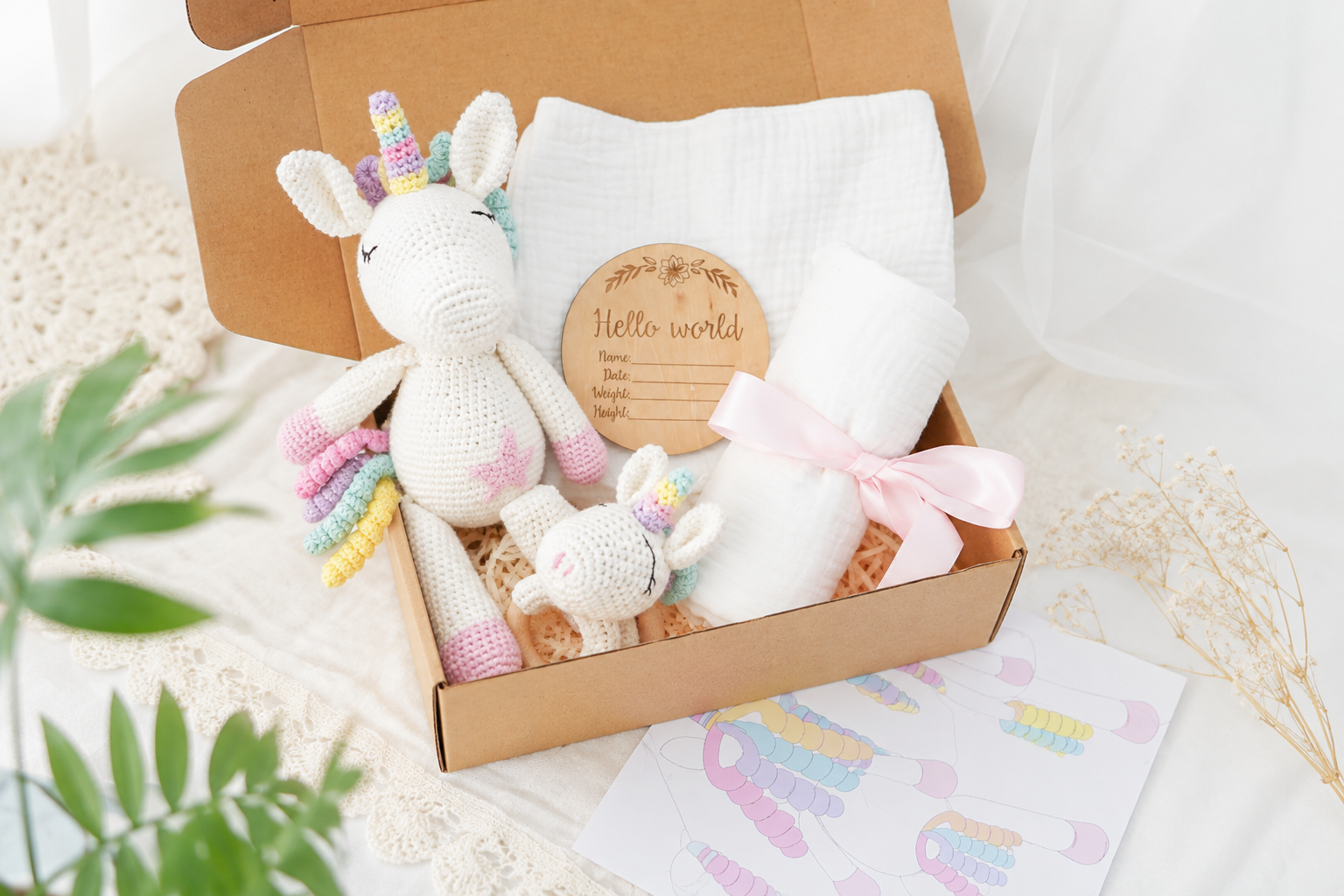
Why Brands Choose Cotton Crochet Products
For many global brands, cotton provides a balance between quality and commercial practicality.
Advantages include:
Clear Handmade Appearance
Cotton yarn allows crochet stitches to remain visible, helping highlight craftsmanship.
This is especially important for:
- Character dolls
- Handmade gifts
- Premium collections
Comfortable Touch
Examples:
- Baby gifts
- Nursery decorations
- Emotional support toys
Strong Color Performance
Cotton yarn can support a wide range of colors, making it suitable for:
- Brand color matching
- Character development
- Seasonal collections
2. Organic Cotton Yarn: Supporting Premium and Responsible Collections
Organic cotton is becoming increasingly popular among brands that focus on sustainability, natural lifestyles, and premium positioning.
For brands, it can support a stronger sustainability story.
Why Brands Select Organic Cotton Crochet Products
Organic cotton is often chosen for:
- Premium baby products
- Eco-conscious gift collections
- Sustainable lifestyle brands
- Boutique retail programs
Benefits may include:
Natural Material Positioning
[Many consumers associate organic cotton with:
- Natural lifestyles
- Responsible sourcing
- Higher product value](https://www.ftc.gov/system/files/documents/public_events/975753/hustvedt_et_al_on_consumer_likelihood_2009.pdf)
Premium Brand Storytelling
For brands building a sustainability-focused identity, material choices become part of the customer experience.
A product story can include:
- Handmade craftsmanship
- Natural fibers
- Responsible production
Suitable for Sensitive Applications
Organic cotton is often considered for products where softness and material awareness are important.
However, brands should always verify:
- Material documentation
- Applicable certifications
- Intended product requirements
3. Recycled Fibers: Exploring Circular Material Options
Recycled fibers represent another direction in sustainable crochet manufacturing.
They are created by processing existing materials into new fibers.
Depending on the fiber type, recycled yarn can be used for:
- Fashion accessories
- Home decorations
- Lifestyle products
- Promotional collections
Why Brands Consider Recycled Yarn
Recycled materials can support brands looking to communicate:
- Circular economy concepts
- Waste reduction goals
- Environmental awareness
They are especially relevant for:
- Sustainability-focused brands
- Corporate gifts
- Environmental campaigns
- Modern lifestyle collections
Important Considerations When Choosing Recycled Fibers
While recycled materials offer opportunities, brands should evaluate:
Product Performance
Different recycled yarns may vary in:
- Softness
- Strength
- Texture
- Appearance
The material must match the product purpose.
Customer Expectations
A premium handmade product still needs to deliver:
- Attractive appearance
- Good durability
- Comfortable touch
Sustainability should enhance the product, not reduce customer experience.
How Professional Crochet Manufacturers Evaluate Sustainable Materials
Choosing sustainable materials requires more than selecting a yarn label.
Professional manufacturers consider several factors.
1. Product Purpose
The same material may perform differently depending on the product.
For example:
Baby Crochet Products
Priority:
- Softness
- Safety
- Skin comfort
- Testing requirements
Retail Gift Products
Priority:
- Appearance
- Cost balance
- Packaging compatibility
- Customer appeal
Premium Collections
Priority:
- Material story
- Unique texture
- Brand positioning
2. Safety Requirements
For products sold internationally, material choices must consider compliance requirements.
Depending on the market and product category, buyers may need to evaluate:
- Chemical safety
- Material documentation
- Testing requirements
- Age suitability
At U-MY Crochet, we support products developed for international markets with consideration of requirements including:
- ASTM F963
- CPC
- EN71
- CE
- UKCA
3. Production Consistency
Sustainable materials must also work in real production environments.
Manufacturers need to consider:
- Yarn availability
- Color consistency
- Production stability
- Supplier reliability
A material may look attractive but create challenges if it cannot support consistent production.
4. Total Product Value
The lowest-cost material is not always the best commercial choice.
Brands should evaluate:
- Material cost
- Product positioning
- Customer expectations
- Retail price
- Long-term brand value
A slightly higher material investment may create stronger customer perception.
Real Project Insight: Choosing Materials for Different Brand Goals
One common situation we see is that brands approach manufacturers with a sustainability goal but need help balancing cost, appearance, and production requirements.
For example:
A gift brand wanted to develop a handmade crochet collection with a stronger natural material story.
During product development, the team evaluated:
- Cotton yarn options
- Packaging style
- Product positioning
- Target retail price
Instead of choosing the most expensive material option, the project focused on selecting the material that best matched the product purpose.
The result was a collection that maintained:
- Handmade appeal
- Commercial feasibility
- Sustainable storytelling
This reflects an important lesson:
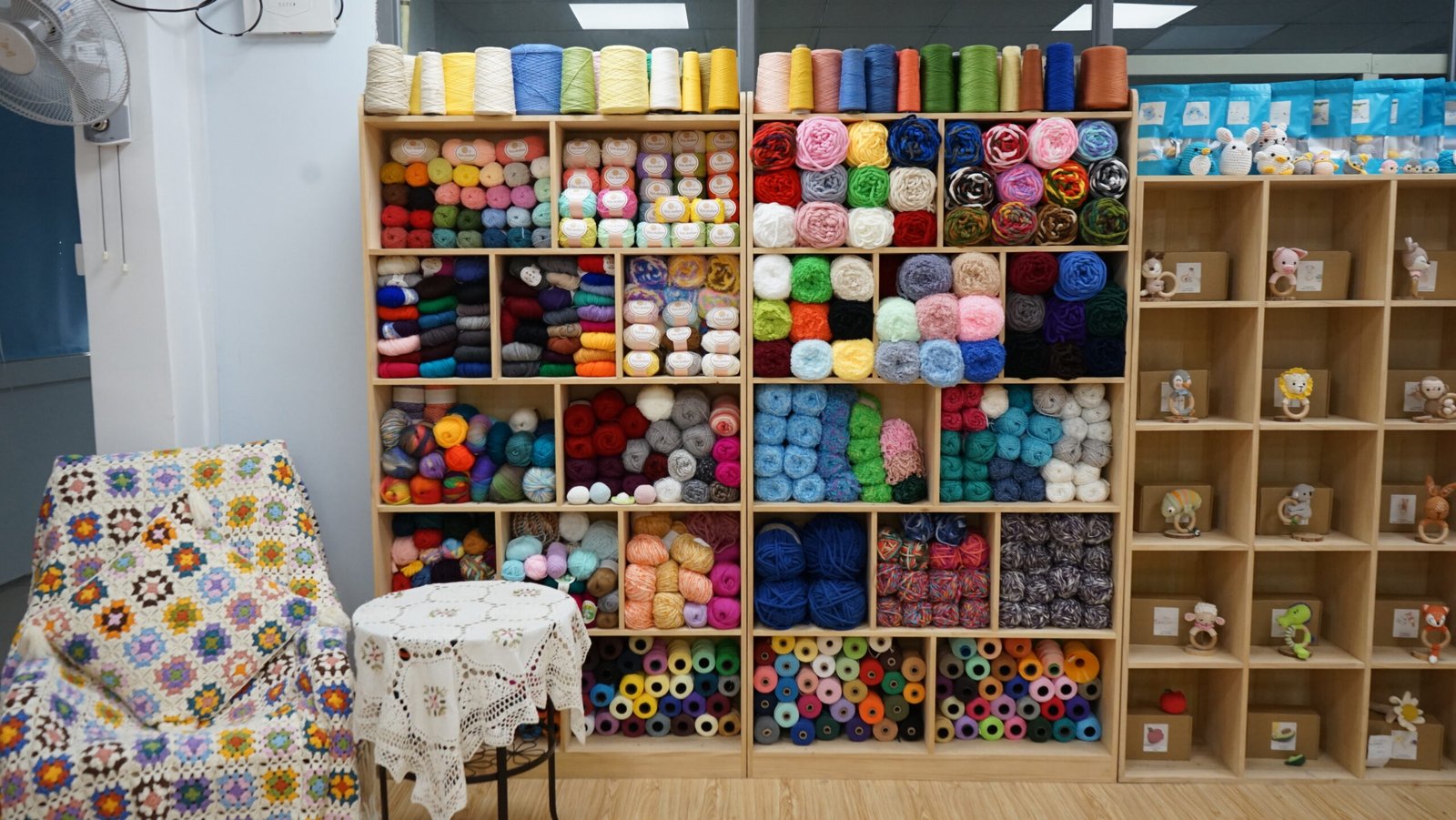
How Sustainable Materials Support Brand Storytelling
For many brands, crochet products are not only physical products.
They represent values.
A sustainable crochet collection can communicate:
- Craftsmanship
- Human connection
- Responsible choices
- Thoughtful design
This is especially valuable for:
- Lifestyle brands
- Gift companies
- Museum stores
- Cultural organizations
- Premium retailers
Customers increasingly want products with meaning.
Material choices can become part of that story.
Sustainable Crochet Manufacturing: Beyond Materials
Sustainability is not only about yarn.
A responsible crochet manufacturing approach also considers:
People
Supporting skilled artisans and responsible production relationships.
Production
Reducing unnecessary waste and improving efficiency.
Product Lifecycle
Creating products designed for long-term appreciation.
Partnerships
Building transparent relationships between brands and manufacturers.
At U-MY Crochet, sustainability is connected with both craftsmanship and responsible manufacturing systems.
How U-MY Supports Sustainable Crochet Product Development
Since 2013, U-MY Crochet has worked with global customers to develop:
- Crochet toys
- Baby gift sets
- Crochet flowers
- DIY crochet kits
- Custom brand collections
- Cultural and museum products
Our material development process supports:
Material Selection
Helping customers choose suitable yarn options based on:
- Product function
- Market requirements
- Brand positioning
Custom Development
Supporting projects from:
- Initial concept
- Material selection
- Sampling
- Production
- Packaging
International Market Experience
Working with buyers across:
- North America
- Europe
- United Kingdom
- Australia
- Middle East
- Asia
Our goal is to help brands create crochet products that combine:
- Handmade warmth
- Reliable production
- Responsible material choices
Frequently Asked Questions
Is cotton yarn sustainable for crochet products?
Cotton yarn is one of the most commonly used crochet materials because of its natural feel, durability, and versatility. Sustainability depends on factors such as sourcing practices, production methods, and certifications.
Are organic cotton crochet products better?
Organic cotton can be a suitable choice for brands focusing on natural materials and sustainability positioning. However, product requirements, cost, and market expectations should also be considered.
Can recycled yarn be used for crochet toys?
Yes, recycled fibers can be used for certain crochet products. However, brands should evaluate material performance, safety requirements, and customer expectations before selecting them.
What is the best yarn for sustainable crochet manufacturing?
There is no single best material for every product. The right choice depends on the product category, target market, brand positioning, and production requirements.
Do sustainable materials increase crochet product costs?
Some sustainable materials may increase material costs, but the overall product value depends on design, positioning, packaging, and customer perception.
Conclusion
Sustainable crochet manufacturing is not simply about replacing traditional materials.
It is about making smarter decisions throughout the product development process.
Cotton yarn, organic cotton, and recycled fibers each provide different opportunities for brands to create meaningful products.
The most successful sustainable crochet collections combine:
- Appropriate materials
- Skilled craftsmanship
- Responsible production systems
- Strong product storytelling
At U-MY Crochet, we believe sustainability and handmade craftsmanship can grow together.
Because every crochet product is not only made from yarn.
It is made from choices — choices about materials, people, and the future of responsible manufacturing.
 Chinese