
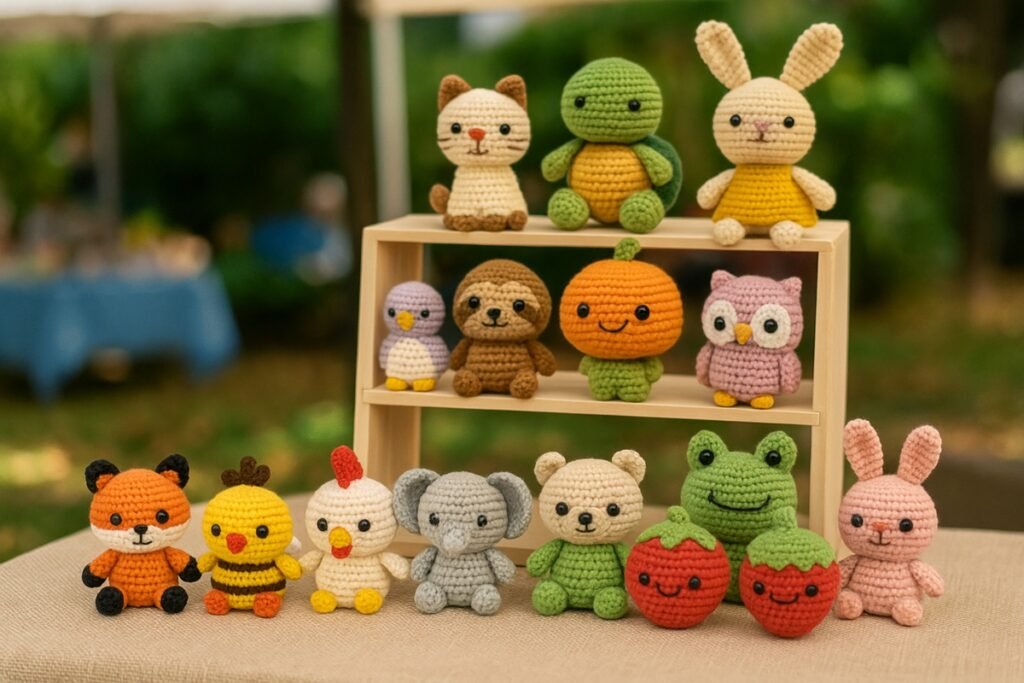
When I first started selling my crochet items, I wondered where they would do best. Should I try online markets, or would local shops be better?
The best place to sell crochet depends on your target market, but boutiques, pop-ups, and online platforms offer strong opportunities when paired with reliable production.
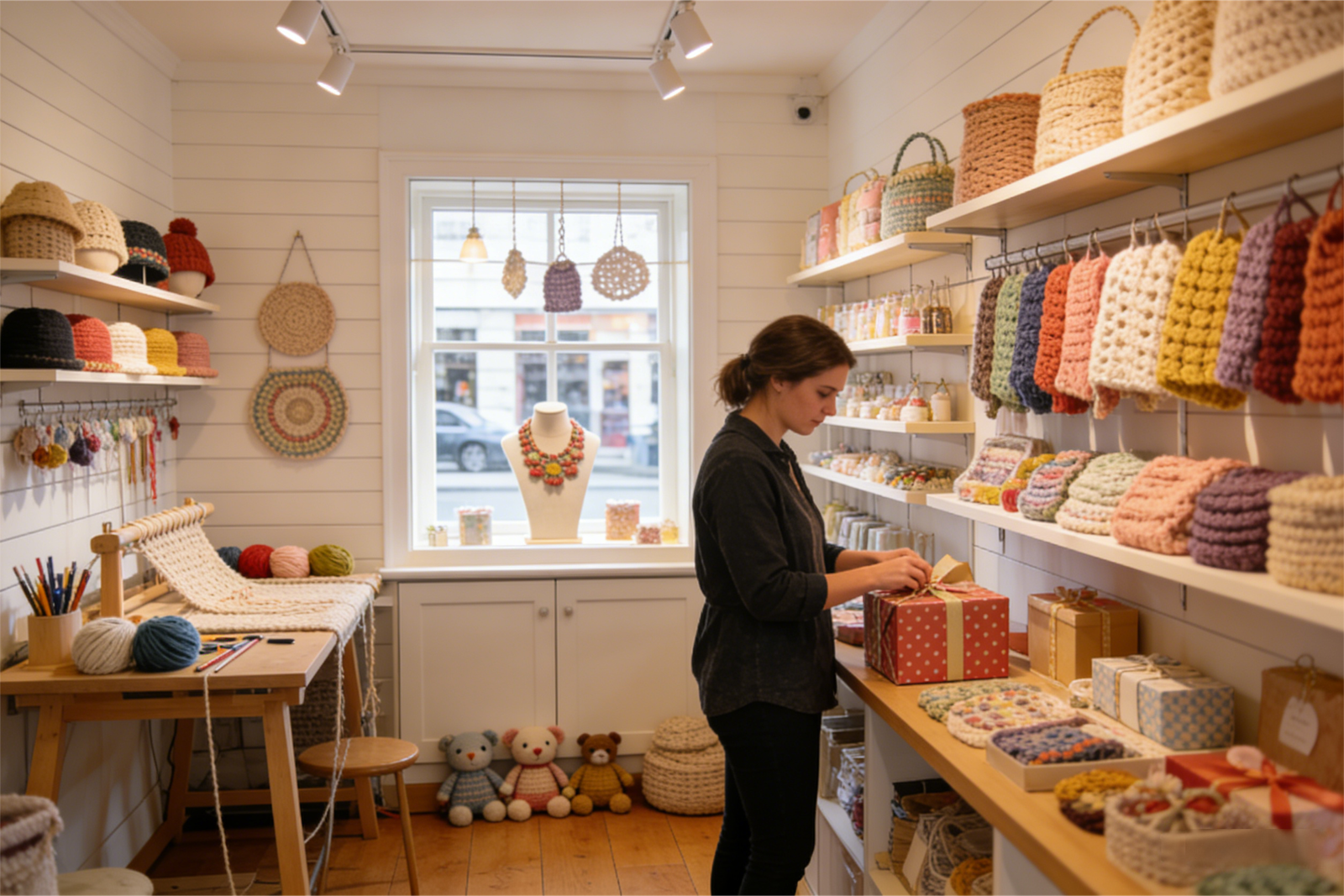
What really helps is a balance between physical and digital sales channels, especially when you have a production partner like UMY that ensures your products meet the demand.
Where Crochet Sells Best: From Local Boutiques to Scalable Supply with UMY
Crochet’s charm makes it popular in various settings. Whether you're selling at local markets, online, or to larger wholesale clients, understanding where to sell is key to success.
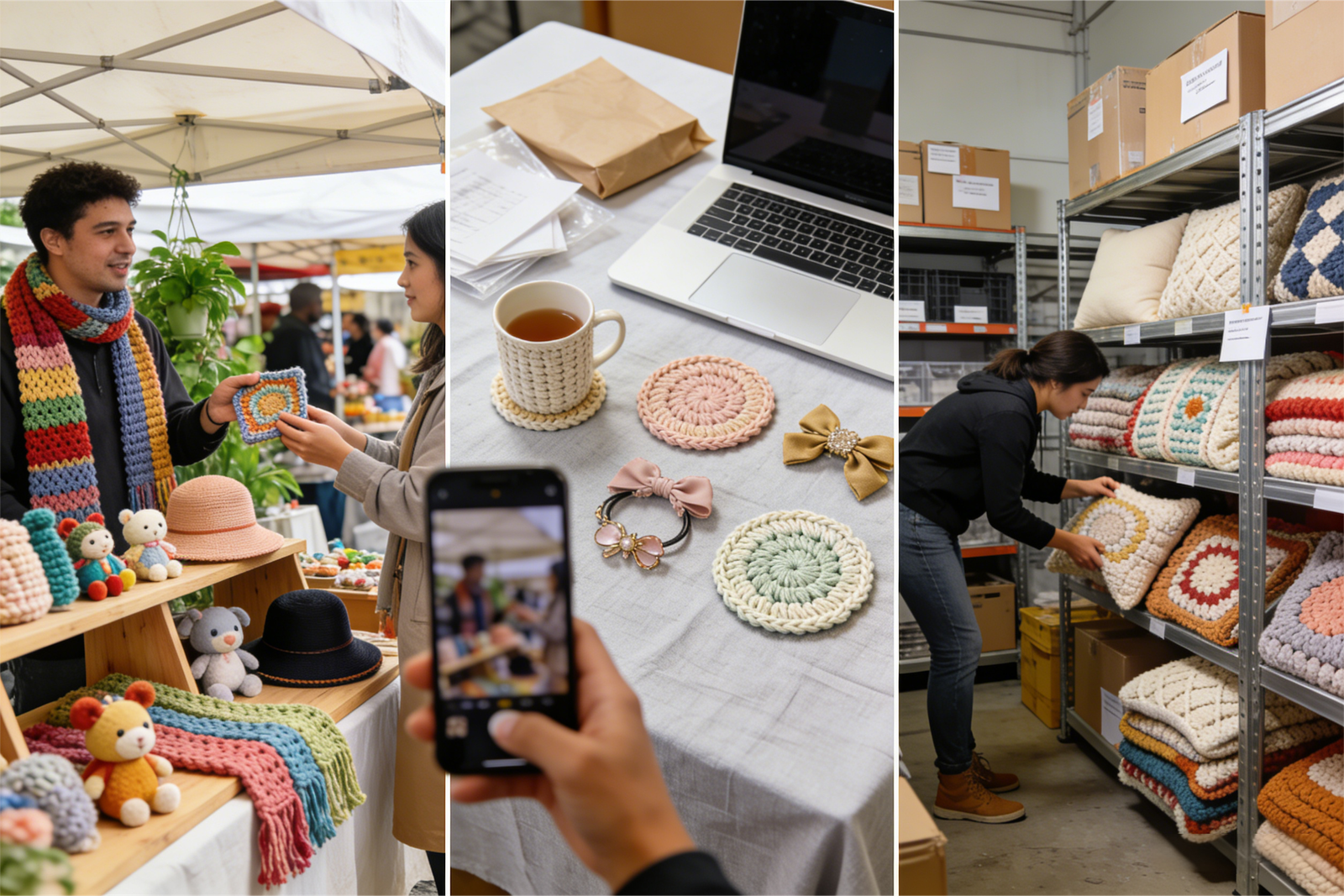
Local Boutiques: Crafting Personal Connections
I found that one of the most rewarding places to sell crochet was in local boutiques. These stores attract customers looking for unique, handmade items. Selling crochet here allowed me to establish personal relationships with store owners and customers, which made the sales process smoother.
Local boutiques cater to people who appreciate craftsmanship and want something special. By offering crochet items in these stores, I could introduce a handmade touch to their carefully curated collections.
| Market Type | Benefits | Drawbacks |
|---|---|---|
| Local boutiques | Personal connections, higher price points | Smaller customer base, more effort per sale |
| Pop-up shops | Immediate customer feedback, seasonal opportunities | Limited exposure, higher overhead |
At UMY, the production team ensures that every item is ready to meet the demands of these small but high-value customers. The consistency in quality makes it easy to approach boutique owners confidently.
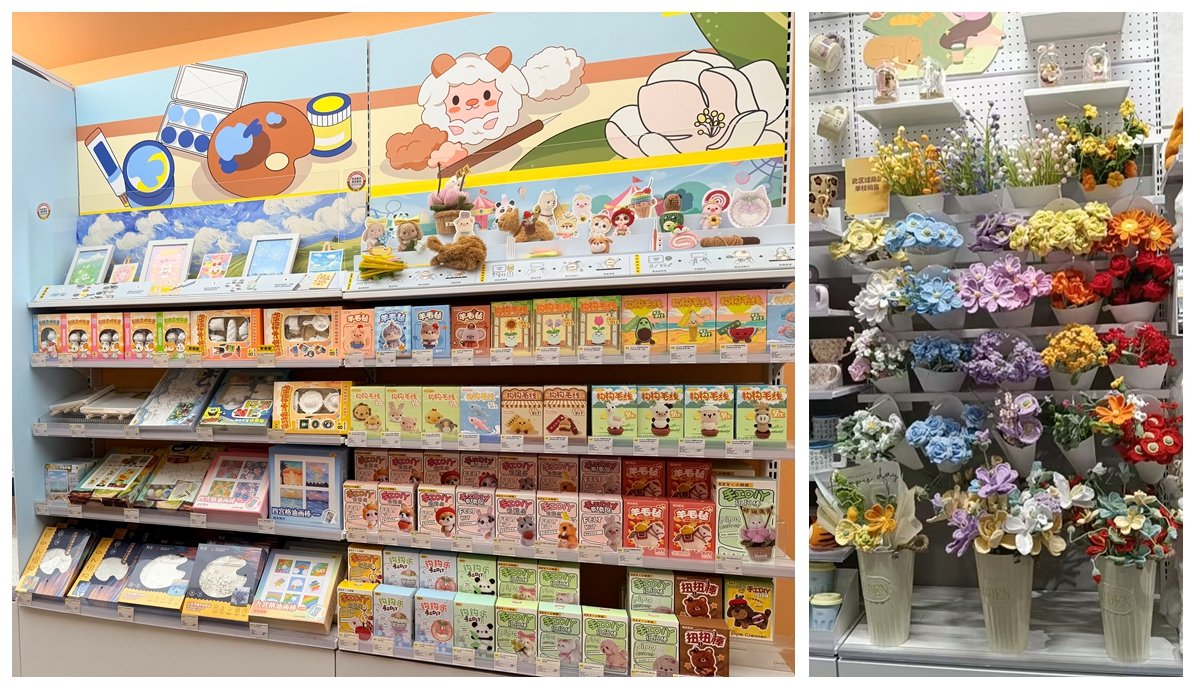
Pop-Up Shops and Craft Fairs: Seasonal Success
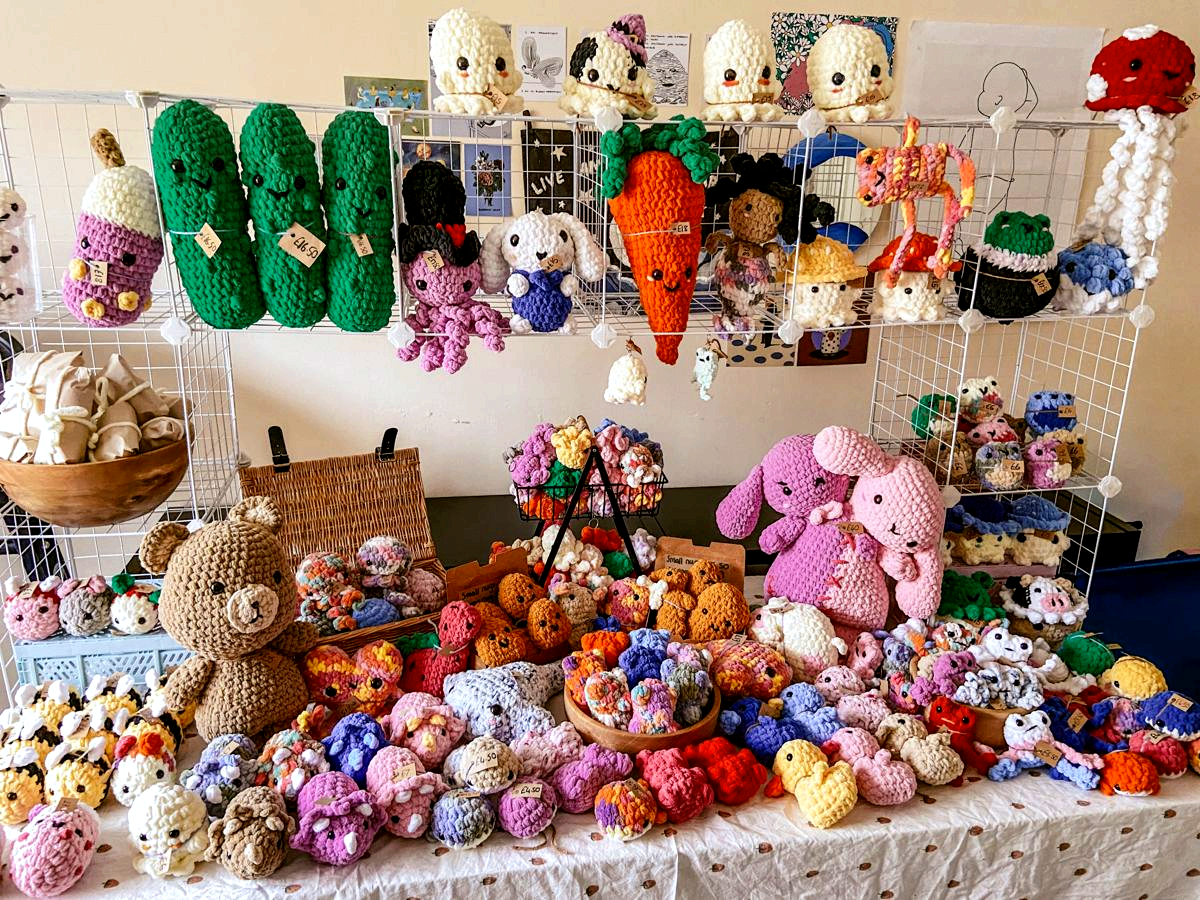
Pop-up shops and craft fairs provide a short-term but highly impactful selling experience. When I sold at a pop-up shop, I saw a quick surge in customer interest, especially around holidays or local events. These places attract shoppers looking for unique, locally made goods, and crochet is often in high demand.
Selling at pop-up events lets you directly engage with customers, get immediate feedback, and test new designs. It also helps build brand awareness in the community.
| Event Type | Benefits | Drawbacks |
|---|---|---|
| Pop-up shops | Direct customer engagement, brand exposure | Temporary, high setup cost |
| Craft fairs | Market testing, instant feedback | Time-consuming, requires inventory management |
With UMY’s consistent production capabilities, I never had to worry about running out of stock during peak seasons. Whether I needed a small batch for a local event or larger quantities for a fair, UMY kept production seamless.
Online Marketplaces: Reach a Global Audience
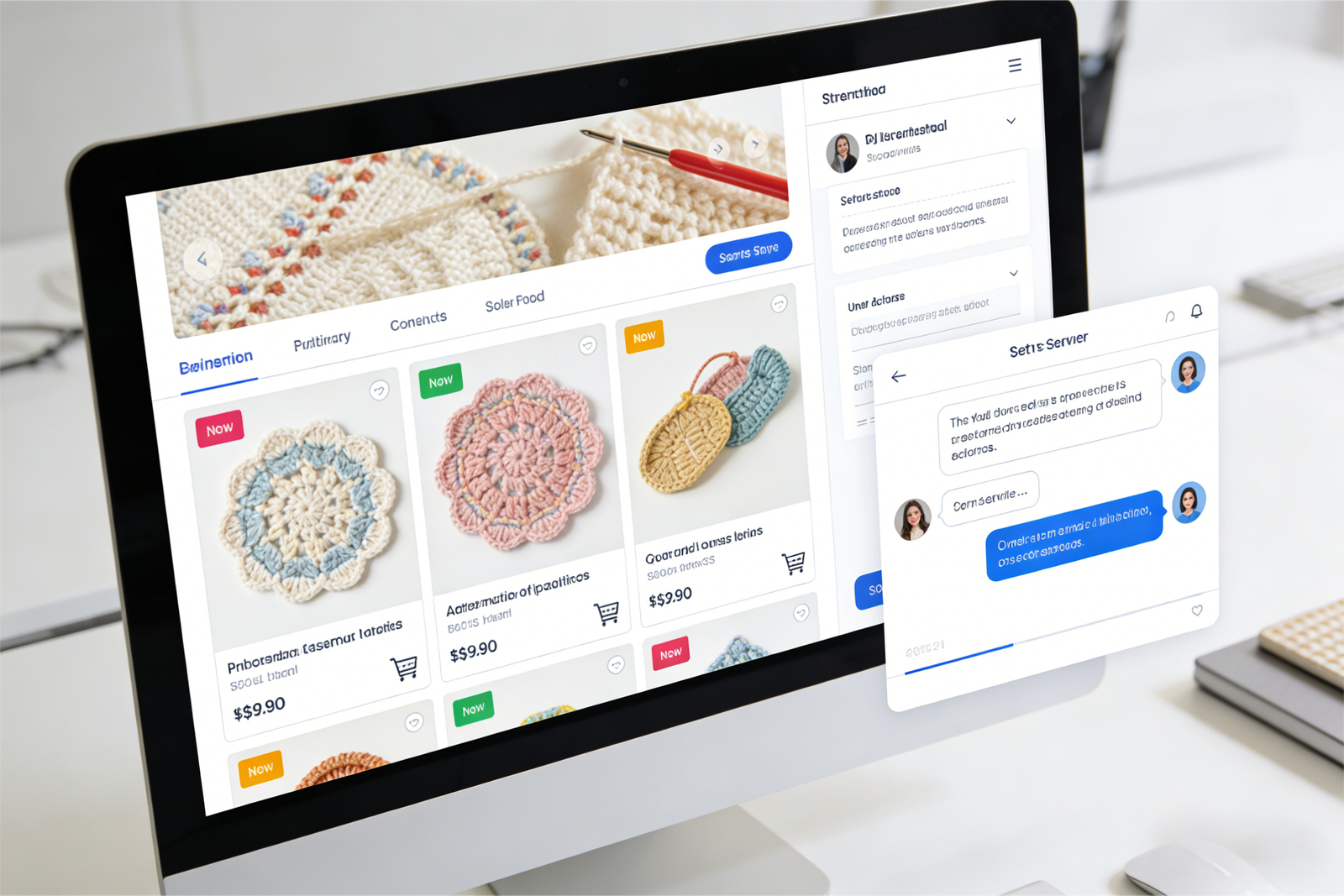
For many sellers, online marketplaces are an excellent way to reach a broader audience. Platforms like Etsy, eBay, and Shopify have made selling crochet accessible to global markets. I learned that the key to success here is visibility and reputation.
On Etsy, for example, shoppers actively search for handmade items. To stand out, I needed professional photography, clear product descriptions, and consistent inventory. It’s competitive, but with the right product, selling crochet online can be incredibly rewarding.
| Platform | Benefits | Drawbacks |
|---|---|---|
| Etsy | Global reach, built-in audience | High competition, fees |
| Shopify | Full control, no marketplace fees | Needs marketing, initial setup |
UMY’s reliable production is a huge advantage when selling online. I can count on them to maintain quality, speed up production for busy seasons, and ensure that my listings are always stocked.
Wholesale and B2B Sales: Consistent Revenue
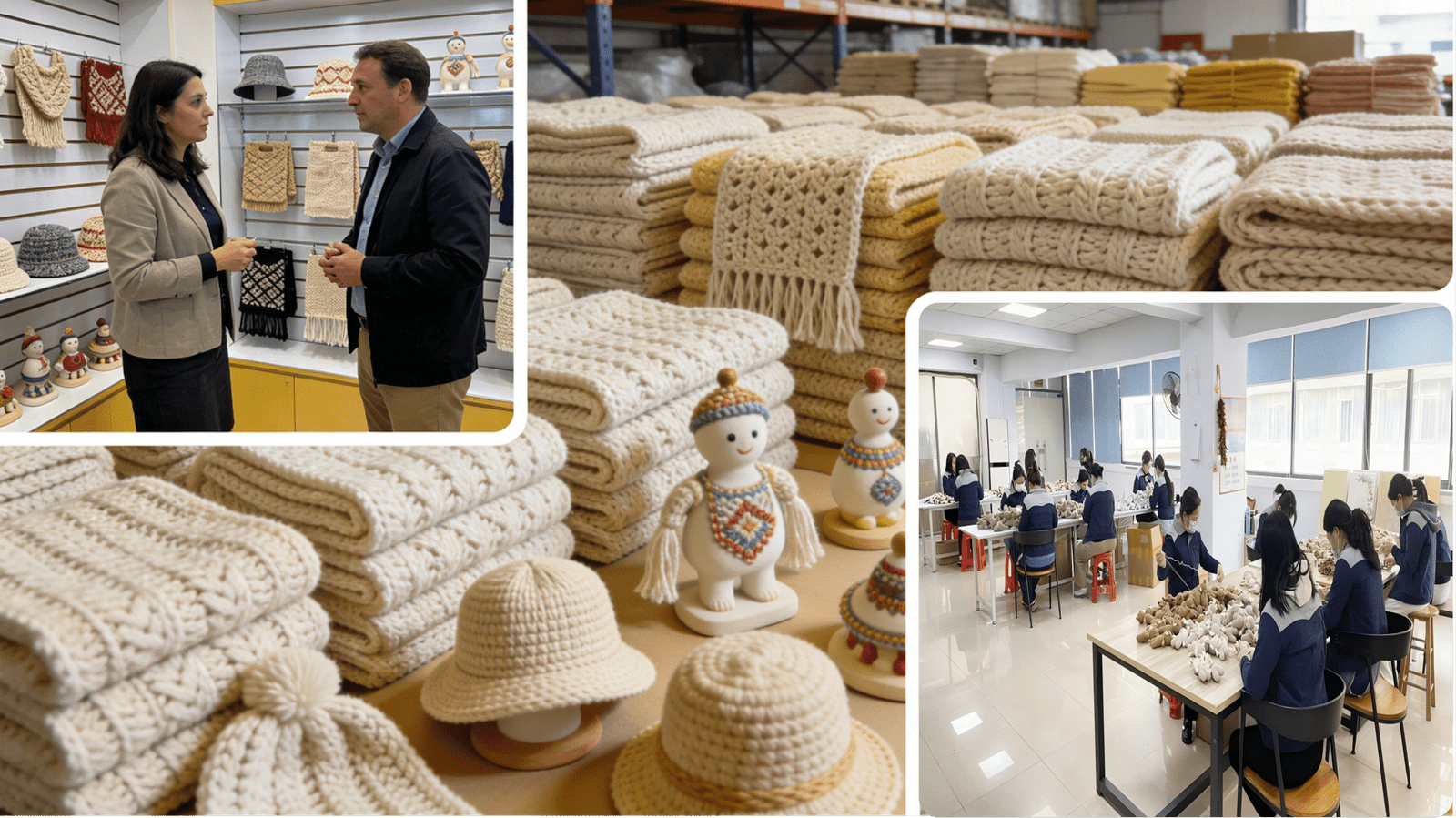
Selling crochet wholesale to boutiques or larger retailers is another great option. For example, I approached local gift shops and asked them to carry my products. By partnering with UMY for bulk production, I was able to offer a consistent supply of high-quality items that met the stores’ needs.
Wholesale sales offer steady, repeat business. By offering crochet products in bulk, I could manage my orders efficiently and keep my production costs in check.
| Sales Type | Benefits | Drawbacks |
|---|---|---|
| Wholesale | Steady revenue, larger orders | Smaller profit margins, volume demands |
| B2B | Long-term relationships, less competition | Requires reliable supply chain |
UMY’s ability to produce large quantities of crochet products without sacrificing quality made wholesale a viable and reliable option for me. Their scalability allowed me to confidently grow my wholesale business.
Social Media: Building a Brand
Social media platforms like Instagram and TikTok have become some of the best places to sell crochet products. Social media helps create brand awareness, build a community, and sell directly to consumers.
I used Instagram to showcase my designs, post behind-the-scenes content, and engage with followers. People loved seeing how crochet pieces were made, and it was an excellent way to attract potential buyers.
| Platform | Benefits | Drawbacks |
|---|---|---|
| Visual appeal, great for storytelling | Requires regular content, algorithm challenges | |
| TikTok | Short-form video reach, viral potential | Needs consistent creativity and engagement |
With UMY’s efficient production capabilities, I could focus on marketing my products online, knowing that the supply was always ready to meet the demand from my growing social media presence.
Conclusion
The best places to sell crochet depend on your business model, but local boutiques, pop-ups, online platforms, and wholesale channels all offer opportunities for growth. Partnering with UMY ensures that crochet products can consistently meet the demands of these channels, keeping your business scalable and successful.
 Chinese