
I once spent hours crocheting the wrong shape and felt stuck. That mistake caused stress and wasted time. Frogging exists to solve that exact problem.
Frogging in crochet means pulling out stitches to undo work and fix mistakes. It lets me correct errors, adjust design choices, and improve results without starting a project from zero.
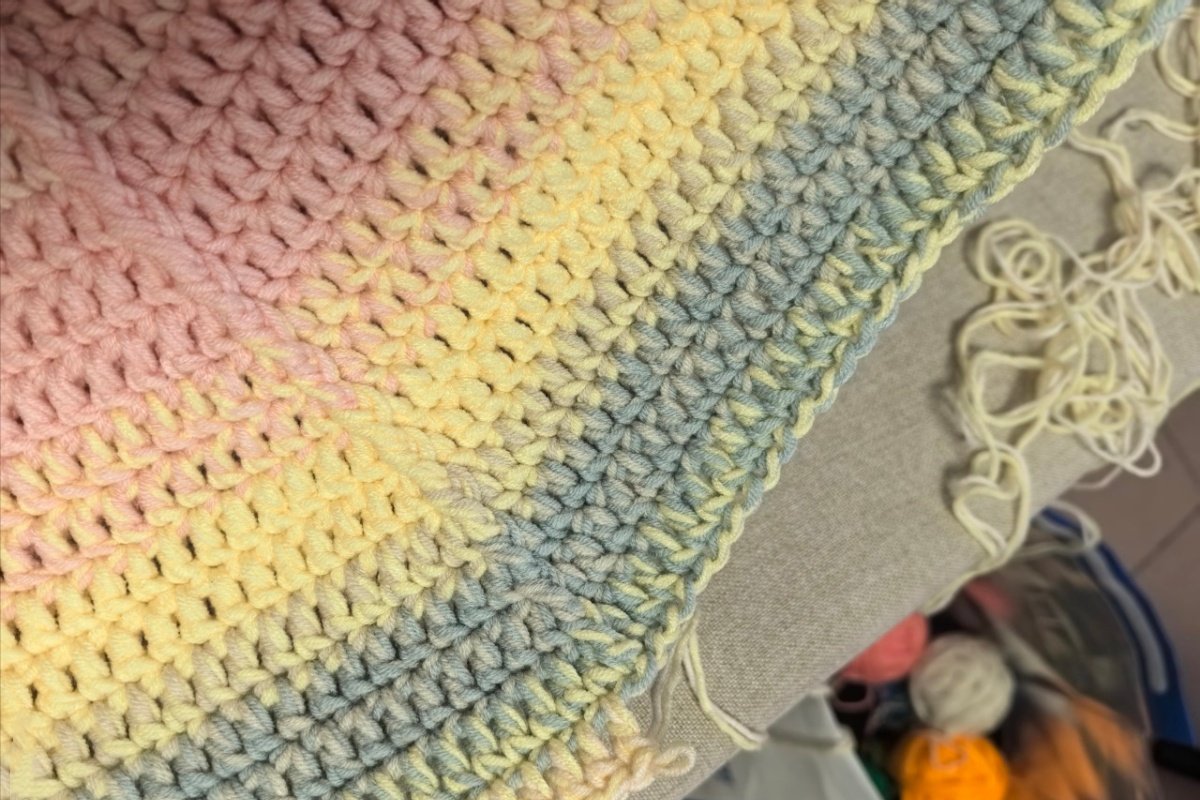
I learned early that mistakes are part of crochet. This idea kept me going. It also explains why frogging matters for both makers and brands.
Why is it called frogging in crochet?
Many beginners feel confused when they hear the word. I felt the same way. The strange name can make learning feel harder than it should be.
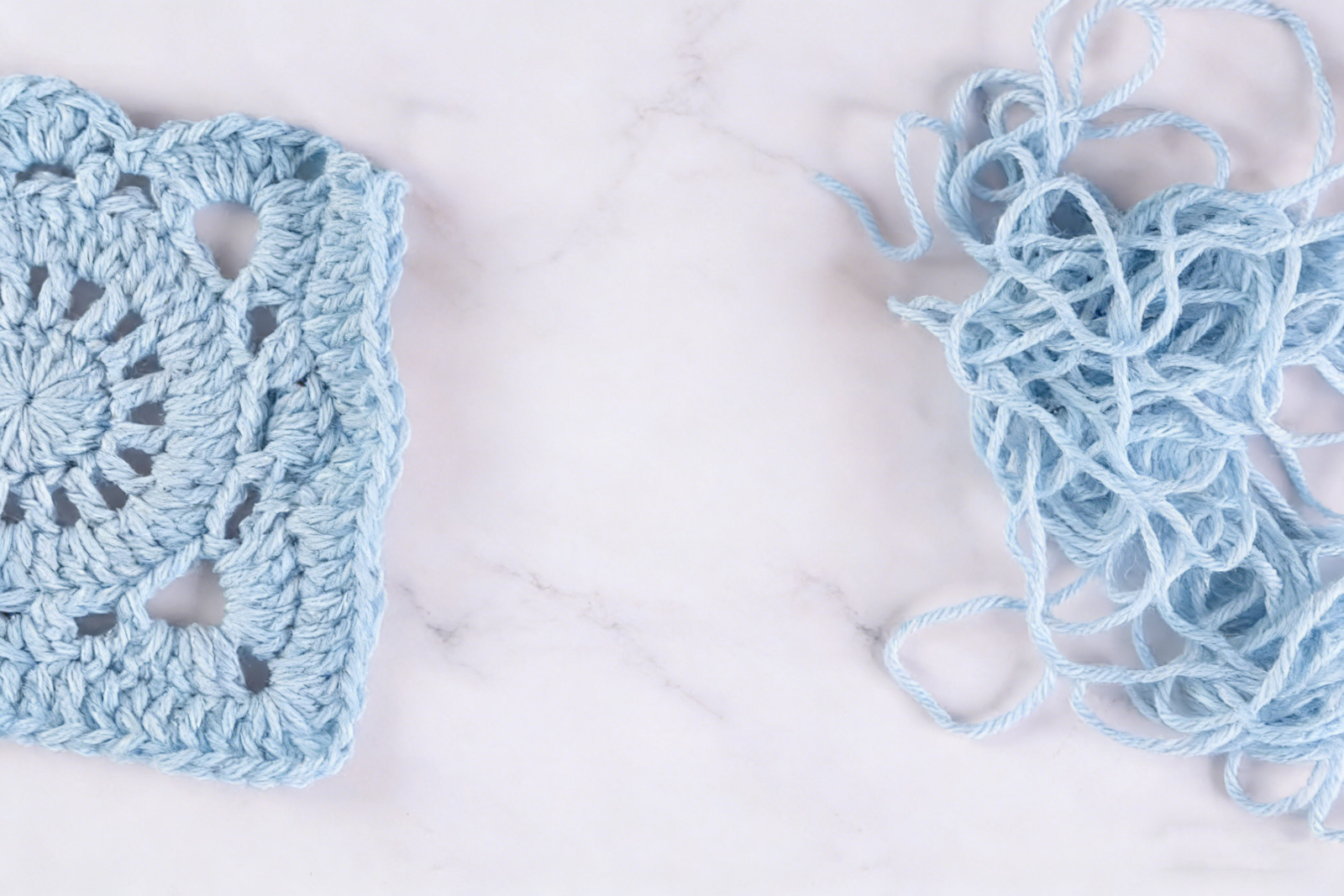
Frogging comes from the sound “rip it, rip it,” which sounds like a frog. It simply describes pulling out stitches to undo crochet work.
How the term reflects crochet culture
When I first heard the term, I laughed. That reaction helped me relax. Crochet language often feels playful, and that matters.
| Aspect | Meaning |
|---|---|
| Name origin | Sound-based and informal |
| Learning tone | Friendly and forgiving |
| Craft mindset | Mistakes are normal |
This naming style reduces fear. It tells makers they are allowed to undo work. That matters in real production too. At UMY, mistakes are handled early through checks, not hidden later.
For designers, this mindset supports better results. He tests ideas, pulls them apart, and improves them. Frogging becomes part of the design process, not a failure point.
When should I frog a crochet project?
Many times, I tried to ignore small errors. That choice always caused bigger problems later. Knowing when to frog saves time and effort.
I should frog when stitch count is wrong, shape looks uneven, or structure affects safety or function. Early correction prevents larger issues.
Decision-making in frogging
I now pause and review my work often. This habit helps me decide faster.
| Situation | Frog or continue |
|---|---|
| Minor tension issue | Continue |
| Wrong stitch type | Frog |
| Safety concern | Frog immediately |
In production, this logic scales. At UMY, quality control teams check early stages. Frogging happens before full assembly. This saves labor and materials.
Designers faces tight timelines. Early frogging supports his cost control goals. Fixing errors late costs more. Fixing them early keeps projects on track.
I learned that frogging is not about perfection. It is about control.
How does frogging affect large-scale crochet production?
Some people think frogging only matters to hobbyists. I once thought that too. That idea does not match reality.
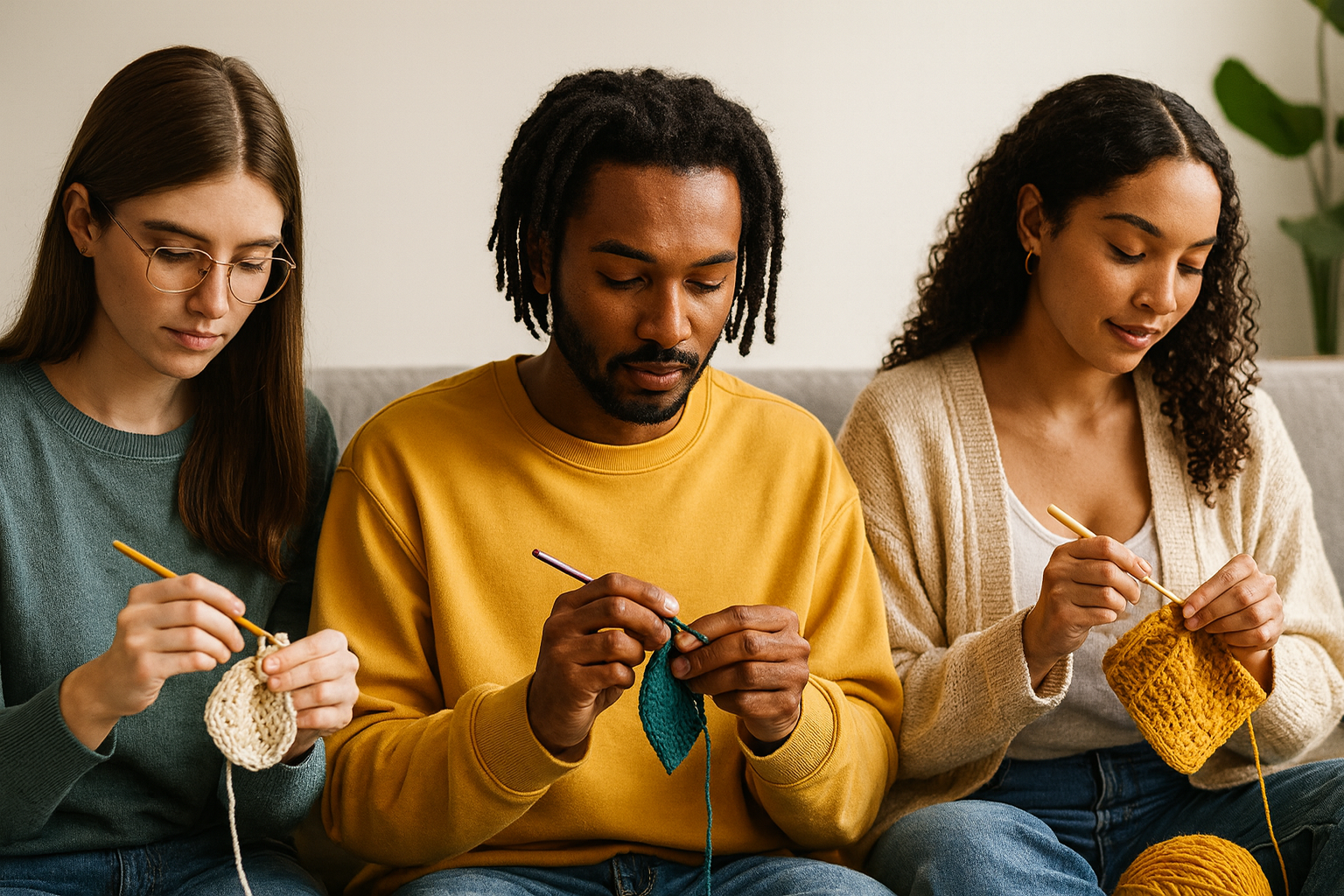
In large-scale crochet production, frogging supports consistency, safety, and cost control. It helps teams correct issues before products reach the market.
Frogging as a quality tool
In a factory setting, frogging follows rules, not emotions.
| Production stage | Frogging purpose |
|---|---|
| Sampling | Design validation |
| Pilot run | Process adjustment |
| Mass production | Defect prevention |
At UMY, skilled artisans know when to undo and redo. This skill comes from experience, not speed. It protects brand reputation.
For buyers and designers, this reduces risk. Our designers can trust that complex designs will be tested, adjusted, and stabilized before scaling.
This approach turns crochet into a reliable business process. Frogging becomes a strength, not a setback.
Conclusion
Frogging shows that crochet allows correction and growth, and with UMY’s skilled teams and controls, mistakes become steps toward safer, scalable, and better handmade products.
 Chinese