
A Practical Guide to Evaluating Crochet Manufacturers Beyond Price, Country, and Marketing Claims
Choosing a crochet factory has become more complicated than ever.
A quick online search reveals suppliers from China, Vietnam, Bangladesh, India, Türkiye, and many other countries. Every manufacturer claims excellent quality, experienced artisans, fast delivery, and competitive pricing.
But how can buyers tell which supplier is truly the right partner?
After more than 12 years of specializing in crochet manufacturing, U-MY Crochet has worked with retailers, museum stores, gift brands, distributors, startups, and corporate buyers across more than 150 countries and regions.
Throughout hundreds of OEM and ODM projects, we have learned one important lesson:
The best crochet factory is not defined by its country—it is defined by its systems, capabilities, transparency, and ability to support your long-term business.
This guide explains the factors that global buyers should prioritize when comparing crochet factories worldwide.
Why Comparing Crochet Factories Is Different From Comparing Conventional Manufacturers
Crochet production is fundamentally different from highly automated manufacturing.
Unlike injection molding, die casting, or machine knitting, handmade crochet depends on skilled artisans.
This means buyers are evaluating more than production equipment.
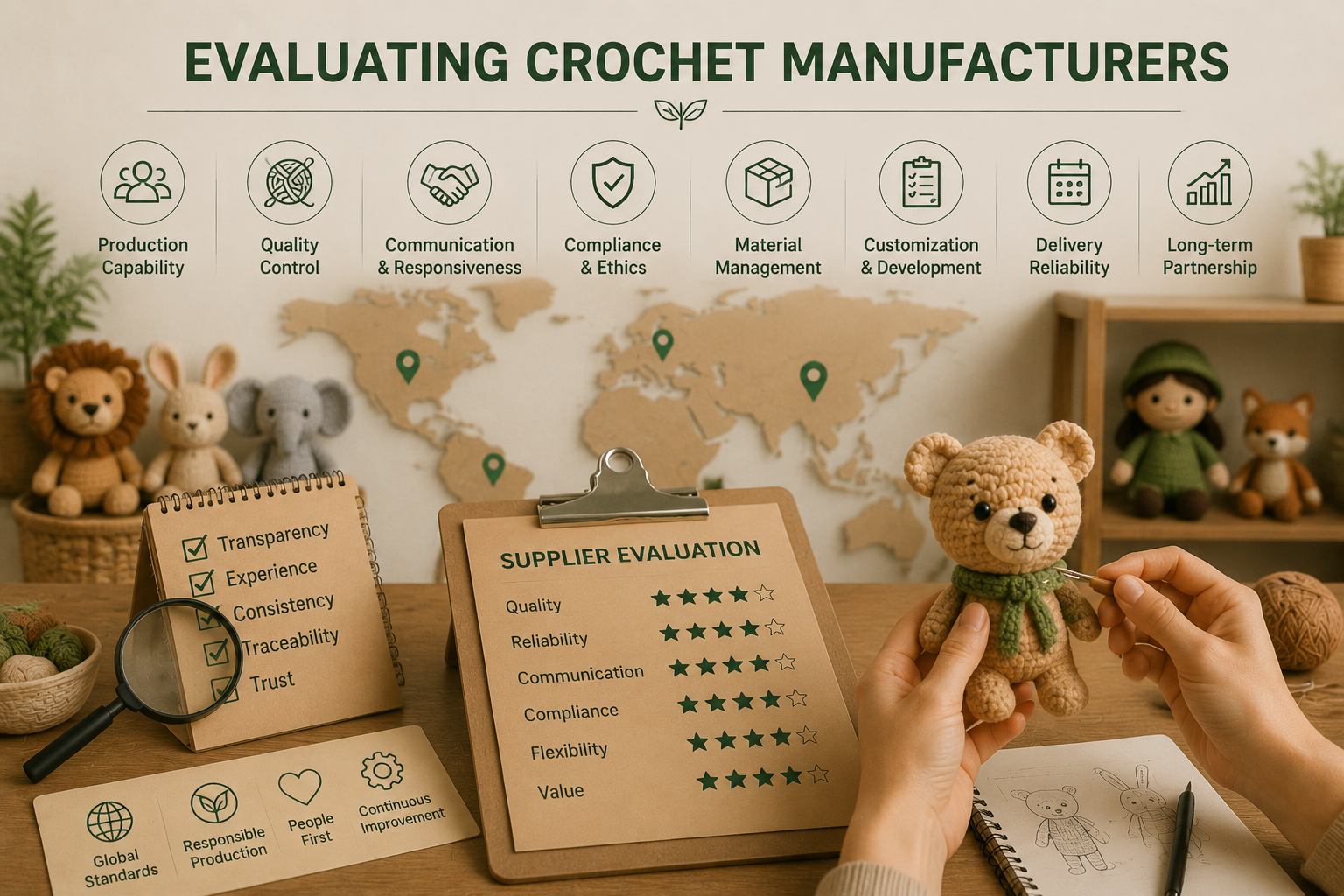
They are evaluating an entire production ecosystem, including:
- Product development
- Pattern standardization
- Artisan organization
- Material sourcing
- Quality management
- Packaging
- Export capability
- Communication
For crochet manufacturing, operational systems often matter more than factory size alone.
What Buyers Often Compare—And Why That Can Be Misleading
Many sourcing decisions begin with questions like:
- Which country is cheaper?
- Which factory is larger?
- Who has the lowest MOQ?
- Which supplier offers the fastest sample?
These questions are important, but they rarely tell the complete story.
A lower unit price may be offset by:
- Poor communication
- Multiple sample revisions
- Packaging issues
- Delayed delivery
- Inconsistent quality
- Limited product development
Instead of comparing only price, experienced buyers compare total project value.
Factor 1: Product Development Capability
One of the biggest differences between crochet factories is their ability to develop new products.
Some suppliers mainly manufacture existing designs.
Others can help customers transform ideas into retail-ready collections.
Professional development capabilities may include:
- OEM production
- ODM development
- Character creation
- Pattern engineering
- Color matching
- Packaging design
- Collection planning
At U-MY Crochet, many projects begin with:
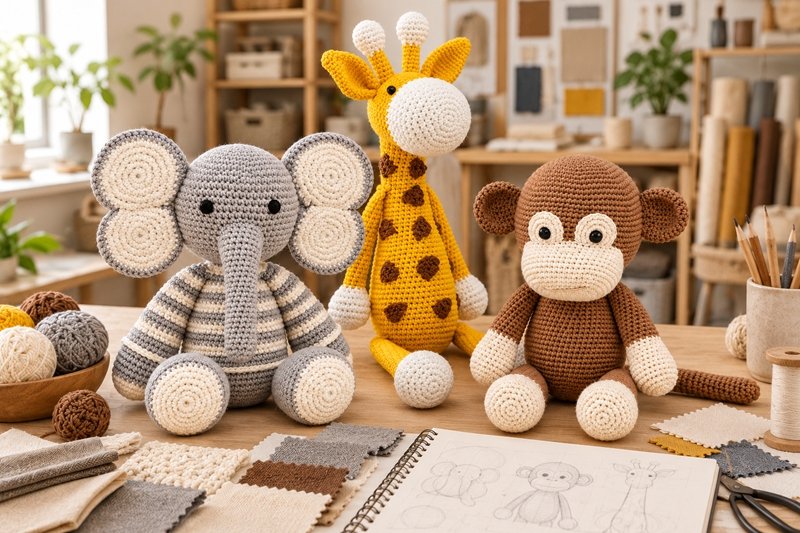
- A sketch
- A mascot concept
- A reference image
- A mood board
The development team then converts those ideas into products suitable for commercial production.
One thing we have consistently observed is:
Strong product development reduces risk before production even begins.
Factor 2: Production Management
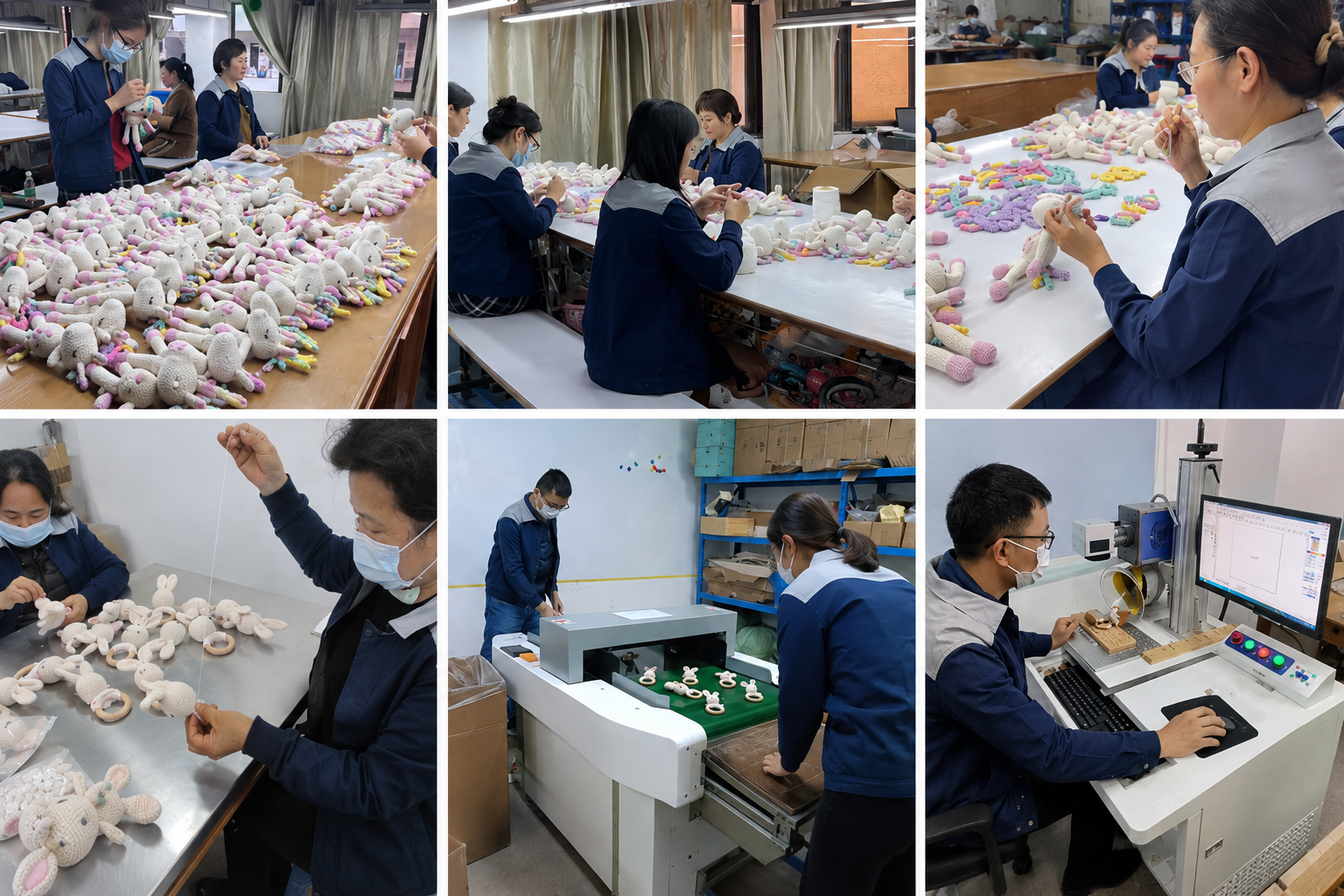
Because crochet products are handmade, production management is critical.
Ask potential suppliers:
- How are artisans organized?
- How are production schedules managed?
- How is quality monitored?
- How are production records maintained?
Professional factories typically establish:
- Standard crochet patterns
- Approved samples
- Production instructions
- Batch tracking
- Quality checkpoints
Rather than relying on individual craftsmanship alone, they combine handmade skills with structured management.
Factor 3: Quality Control
Every factory promises quality.
The important question is:
How is quality achieved?
Professional crochet manufacturers should explain:
- Material inspection
- In-process inspections
- Final inspections
- Approved sample procedures
- Size tolerances
- Defect handling
- Corrective actions
For handmade products, buyers should also understand acceptable variation levels.
Consistency—not perfection—is the goal.
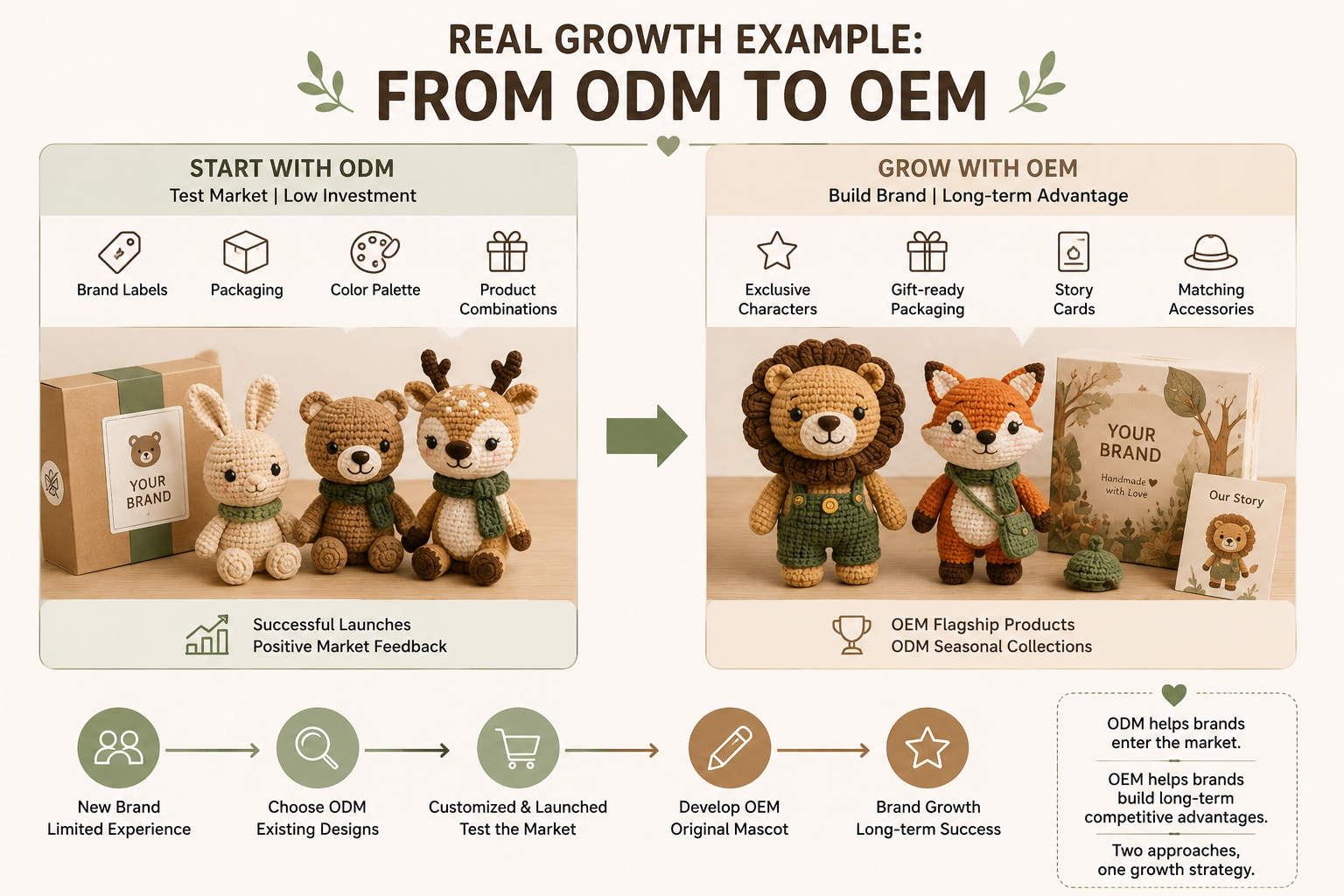
Factor 4: OEM and ODM Services
Not every factory provides the same level of customization.
Understanding the difference is essential.
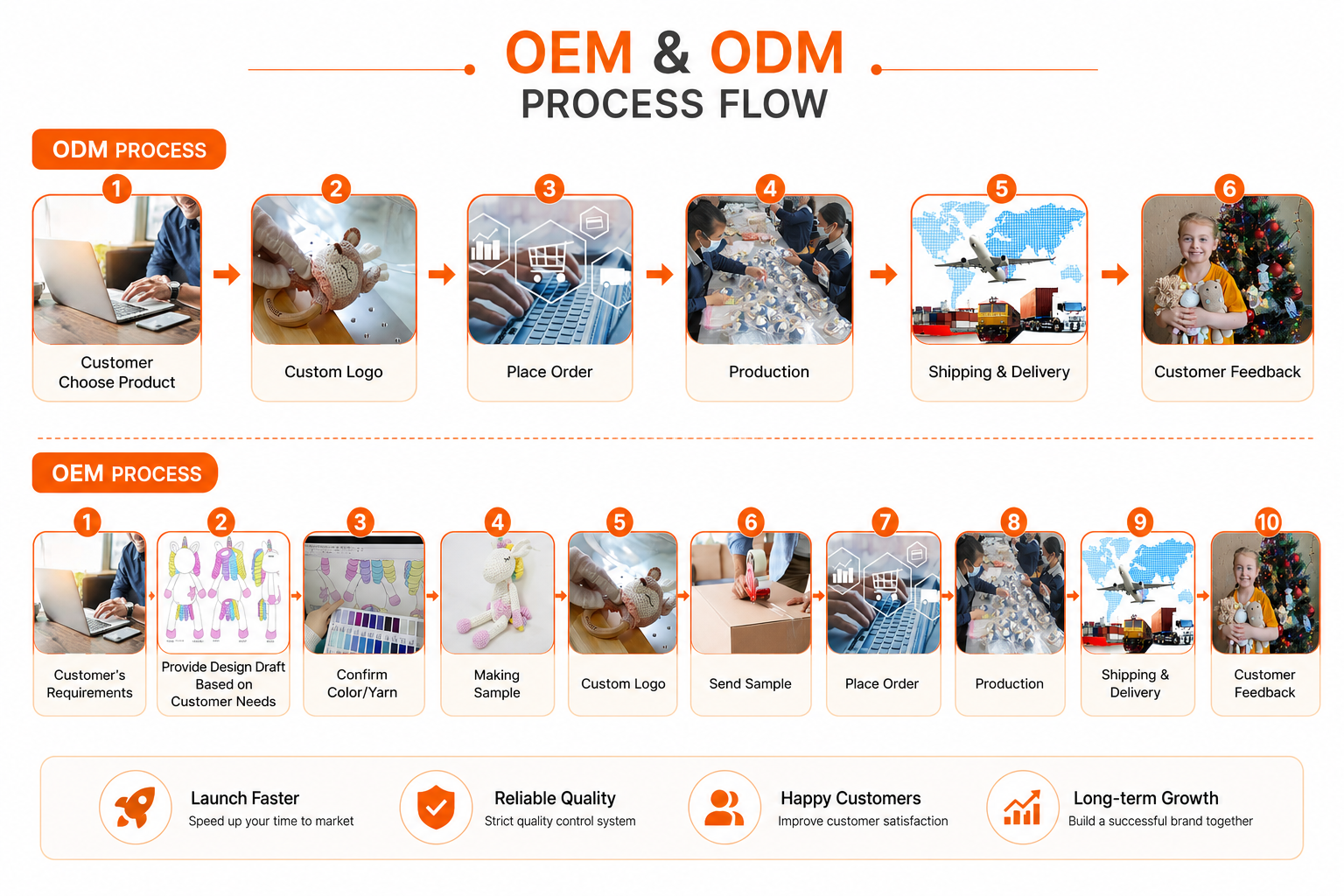
OEM
The customer provides:
- Technical drawings
- Existing designs
- Brand specifications
The factory manufactures according to customer requirements.
ODM
The customer provides:
- Product ideas
- Market concepts
- Reference images
The factory assists with:
- Product design
- Pattern development
- Material recommendations
- Packaging
- Product optimization
Factor 5: Packaging and Retail Readiness
Today's buyers often need more than production.
They need products ready for retail.
Professional suppliers may support:
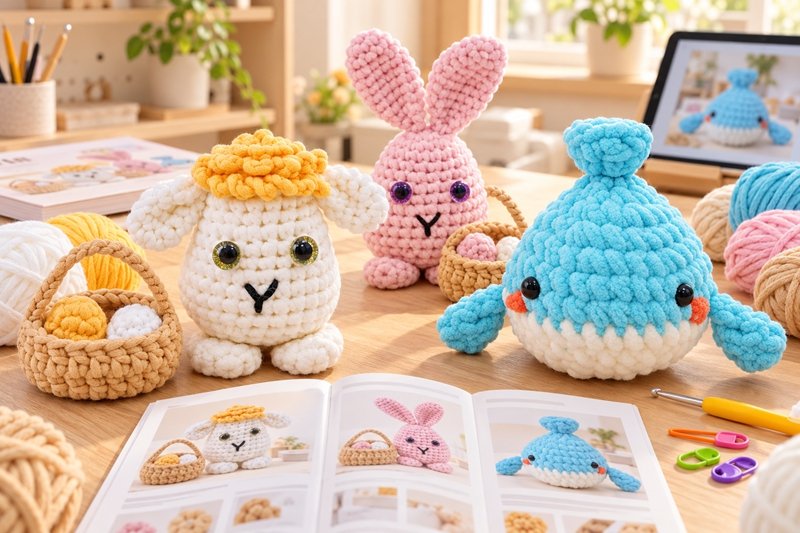
- Gift boxes
- Hang tags
- Story cards
- Instruction booklets
- Retail packaging
- Barcode labels
- Display-ready cartons
One lesson we have learned is:
A beautiful crochet product deserves equally thoughtful packaging.
Packaging often influences perceived value as much as the product itself.
Factor 6: Compliance and Product Safety
Compliance is especially important for baby products, toys, and children's gifts.
Factories should explain their experience with applicable international requirements, such as:
- EN 71
- ASTM F963
- CPSIA
- CE-related requirements
- UKCA-related requirements
- AS/NZS toy safety standards
However, buyers should remember:
Certificates belong to specific products and materials—not to factories in general.
Always request documentation relevant to the exact product being purchased.
Factor 7: Communication and Project Management
Strong communication reduces costly mistakes.
Professional factories usually provide:
- Clear quotations
- Development timelines
- Sample updates
- Production schedules
- Inspection reports
- Shipping coordination
For international buyers, timely communication is often just as valuable as production capacity.
Factories that answer questions clearly usually manage projects more efficiently.
Factor 8: Flexibility
Different businesses require different production models.
Some buyers need:
- Low-MOQ testing
- Mixed SKUs
- Ready-stock products
Others require:
- Large OEM programs
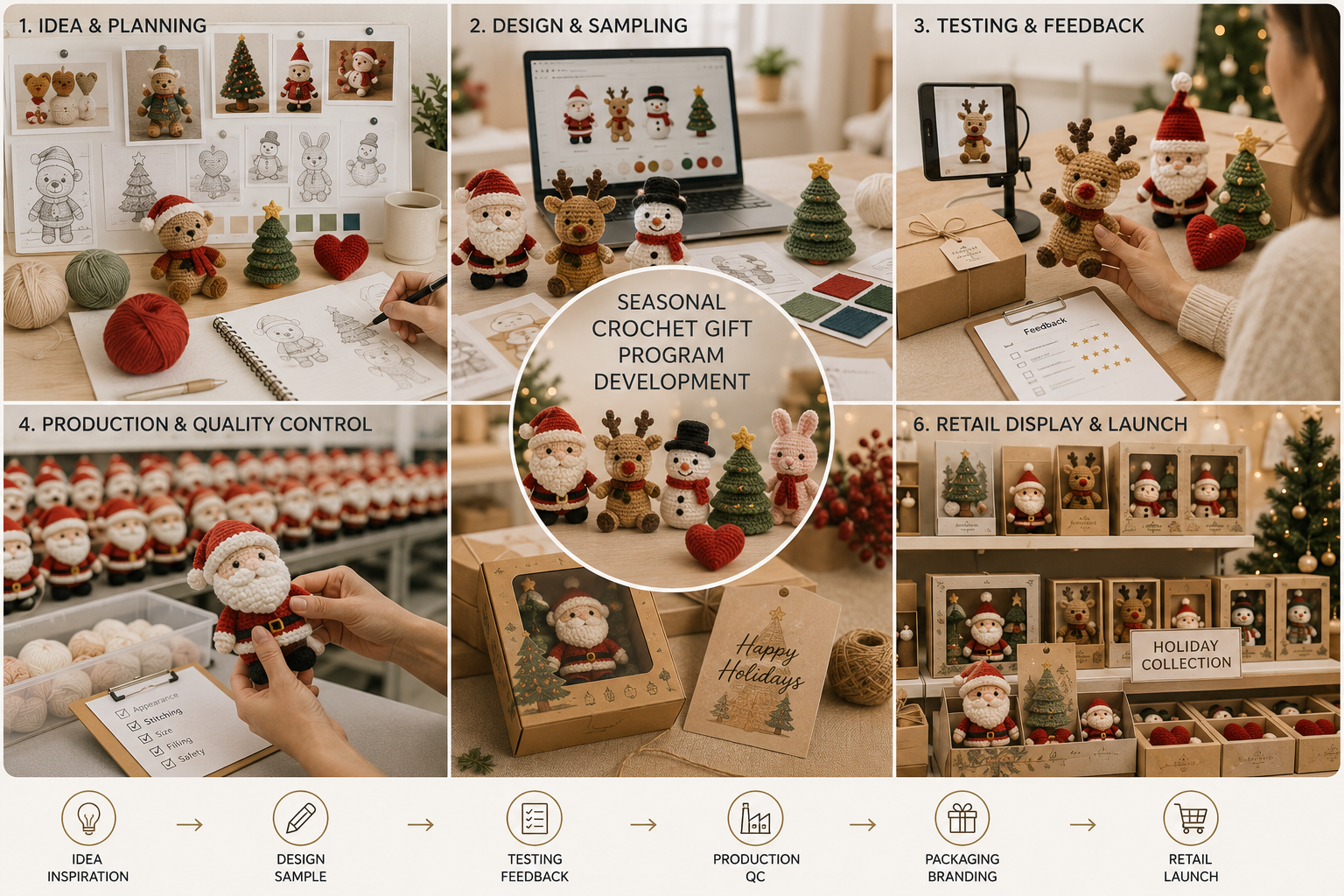
- Seasonal collections
- Corporate gifts
- Museum merchandise
A flexible supplier can support growth at different stages of the business.
Comparing Crochet Manufacturing Regions
Each manufacturing region has its own strengths.
China
Often chosen for:
- Integrated supply chains
- OEM and ODM support
- Packaging resources
- Product diversity
- Collection development
- Fast product iteration
Vietnam
Often recognized for:
- Artisan production
- Handmade positioning
- Baby products
- Cotton-based collections
- Export-oriented craftsmanship
Bangladesh
Frequently associated with:
- Fair-trade production
- Social-impact programs
- Handmade baby products
- Community-based artisan networks
India
Known for:
- Traditional handicrafts
- Decorative crochet
- Boutique collections
- Artisan craftsmanship
Türkiye
Often selected for:
- Premium handmade products
- Boutique production
- Medium-volume collections
- European market proximity
The most suitable sourcing destination depends on the project's priorities rather than the country's reputation alone.
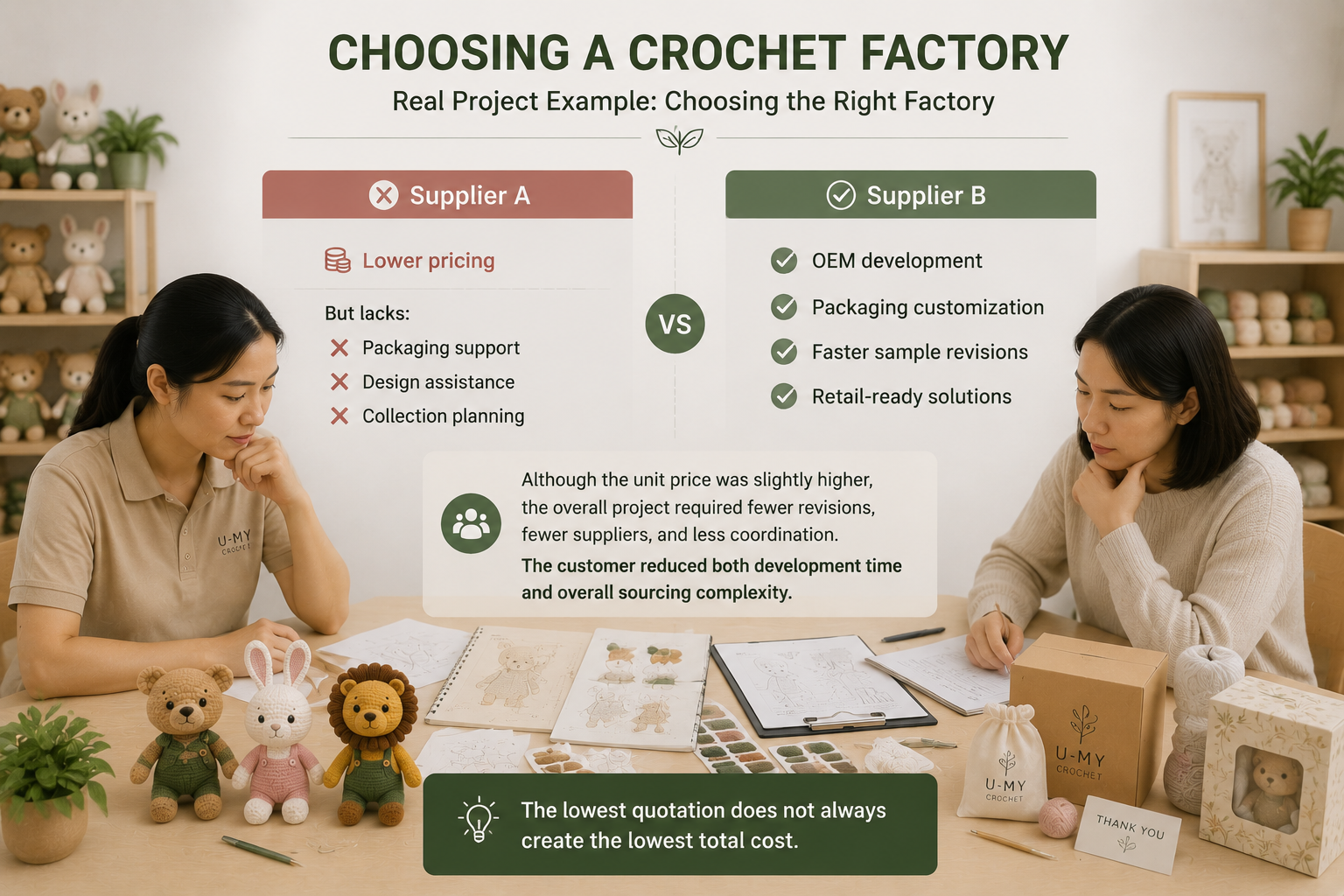
Real Project Example: Choosing the Right Factory
One customer approached several crochet suppliers across different countries.
Initially, the decision focused on price.
However, after comparing the suppliers more carefully, several differences became clear.
One supplier offered:
- Lower pricing
But lacked:
- Packaging support
- Design assistance
- Collection planning
Another supplier offered:
- OEM development
- Packaging customization
- Faster sample revisions
- Retail-ready solutions
Although the unit price was slightly higher, the overall project required fewer revisions, fewer suppliers, and less coordination.
The customer ultimately reduced both development time and overall sourcing complexity.
This project reinforced an important lesson:
The lowest quotation does not always create the lowest total cost.
Questions Every Buyer Should Ask
Before selecting a crochet factory, ask:
Company
- When was the company established?
- What export markets do you serve?
- What product categories do you specialize in?
Production
- How many artisans support production?
- What is your monthly capacity?
- How do you maintain consistency?
Development
- Do you provide OEM?
- Do you provide ODM?
- How long does sampling take?
Quality
- What inspection process do you follow?
- Do you use approved samples?
- How are defects managed?
Packaging
- Can you provide retail packaging?
- Can you develop gift sets?
- Do you support branded collections?
Compliance
- What international standards have you worked with?
- Can you provide recent test reports?
- How do you support compliance planning?
Common Mistakes Buyers Make
Comparing Only Price
Price is important, but it should not outweigh reliability and long-term value.
Ignoring Product Development
Factories that help improve products often reduce future costs.
Overlooking Communication
Poor communication frequently leads to production delays and misunderstandings.
Assuming All Handmade Factories Are Similar
Factories vary significantly in:
- Design capability
- Production management
- Packaging
- Quality systems
- Export experience
Selecting a Factory Without Reviewing Samples
Samples remain one of the most reliable ways to evaluate workmanship and communication.
What We Have Learned From Global Projects
After supporting customers across more than 150 countries and regions, several patterns consistently emerge.
The strongest manufacturing partners typically provide:
✓ Transparent communication.
✓ Reliable quality systems.
✓ Strong OEM and ODM capabilities.
✓ Flexible production models.
✓ Retail-ready packaging.
✓ Long-term product development support.
One thing we have consistently observed is:
Great crochet factories do not simply manufacture products—they help customers build successful businesses.
U-MY Crochet Factory at a Glance
Founded in 2013, U-MY Crochet is a professional handmade crochet manufacturer based in China.
We support:
- Retail brands
- Museum stores
- Gift companies
- Baby brands
- E-commerce sellers
- Corporate buyers
- Distributors
across more than 150 countries and regions.
Our capabilities include:
- More than 12 years of crochet manufacturing experience
- A network of more than 2,000 artisans
- OEM and ODM development
- Sample development within approximately 7–15 working days
- Product collection planning
- Packaging customization
- Ready-stock and custom production
- International quality management
- Support for global compliance planning
Our goal is to become more than a supplier.
We strive to be a long-term product development partner for every customer.
Frequently Asked Questions
What is the most important factor when comparing crochet factories?
Is the largest crochet factory always the best?
Not necessarily.
A factory's systems, transparency, and ability to support your project often matter more than its size.
Should buyers compare factories by country?
Country comparisons provide useful context, but the individual factory's capabilities should remain the primary evaluation standard.
How can buyers evaluate quality before placing an order?
Review samples, discuss inspection procedures, request documentation, and evaluate communication during the development process.
Why do some factories charge higher prices?
Higher quotations may reflect stronger product development, better materials, more comprehensive quality control, integrated packaging, and better project management.
Final Thoughts
Comparing crochet factories is about much more than selecting the lowest quotation.
The best manufacturing partner is the one that understands your products, supports your brand, communicates transparently, and grows alongside your business.
After more than 12 years in handmade crochet manufacturing, we have found that the strongest supplier relationships are built on:
✓ Trust.
✓ Transparency.
✓ Product expertise.
✓ Continuous improvement.
Because in the end, buyers are not simply choosing a factory.
They are choosing a partner that will help shape the success of their products.
Looking for a Reliable Crochet Manufacturing Partner?
Whether you are developing your first crochet collection, sourcing OEM or ODM products, creating museum souvenirs, or expanding an existing product line, U-MY Crochet is ready to support your project from concept to delivery.
Contact us today to discuss your next crochet manufacturing project.
 Chinese