
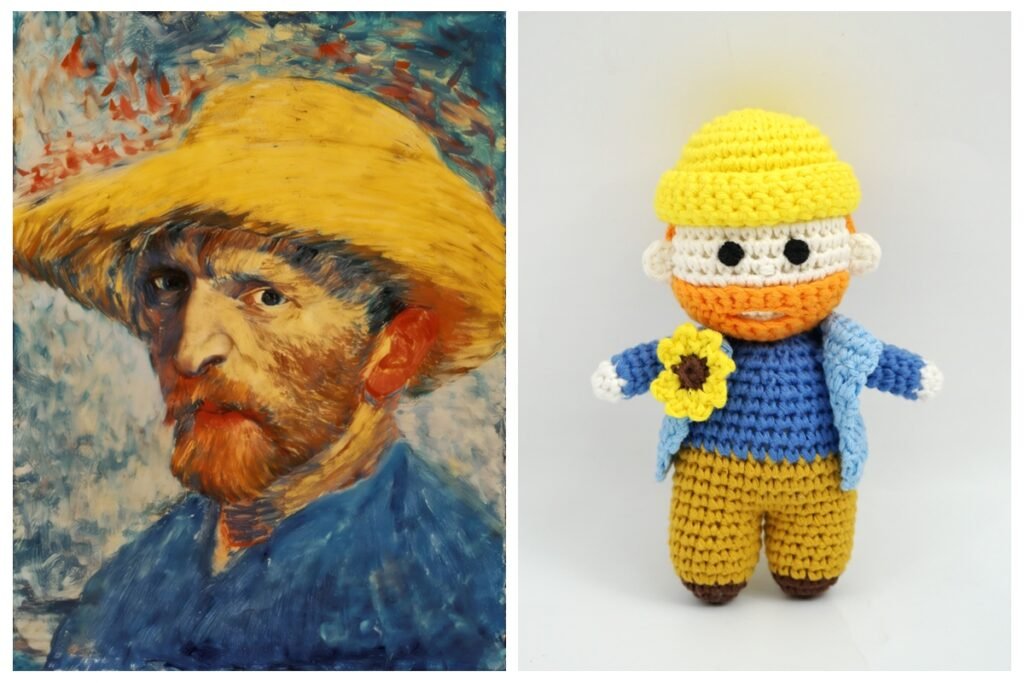
A Step-by-Step Guide to Developing Custom Crochet Products from Concept to Production
One of the most exciting moments in product development begins with a simple sketch.
It might be a hand-drawn mascot, an AI-generated illustration, a children's book character, or even a rough concept sketched on a notebook.
One of the most common questions we hear from customers is:
Can you turn this sketch into a real crochet product?
The answer is yes—but successful product development involves much more than simply copying a drawing.
At UMY Crochet Factory, we have specialized in crochet manufacturing since 2013, helping retailers, museum stores, gift brands, distributors, startups, and corporate buyers across more than 150 countries and regions transform ideas into market-ready crochet collections.
Over the past 12 years, we've learned that the best crochet products are created through close collaboration between designers and manufacturers.
This guide explains how a simple sketch becomes a finished crochet product—and what buyers should know before starting the development process.
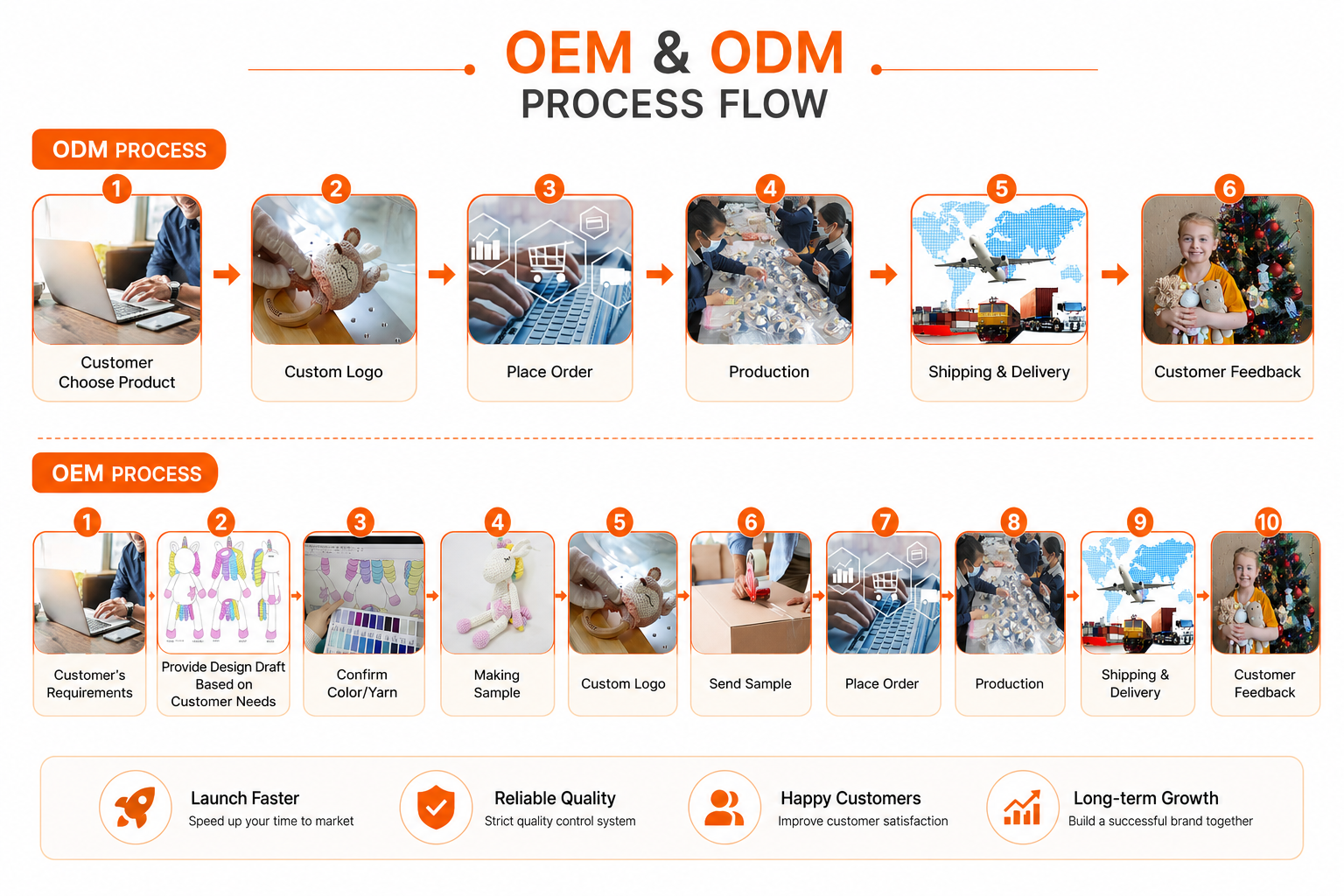
Why Many Great Crochet Products Start with a Sketch
Many buyers assume they need professional technical drawings before contacting a manufacturer.
In reality, that's rarely necessary.
We've developed successful crochet products from:
- Pencil sketches
- Children's illustrations
- AI-generated artwork
- Brand mascots
- Museum concept drawings
- Product mood boards
- Existing plush toys
- Reference photos
One thing we've consistently observed is:
Great crochet products begin with clear ideas—not perfect drawings.
Step 1: Share Your Initial Concept
Every project starts with understanding your idea.
Useful reference materials include:
- Hand sketches
- Digital illustrations
- Character artwork
- Product dimensions
- Color references
- Usage scenarios
- Packaging concepts
Don't worry if your drawing isn't perfect.
Our development team focuses on understanding the character, personality, proportions, and intended customer experience.
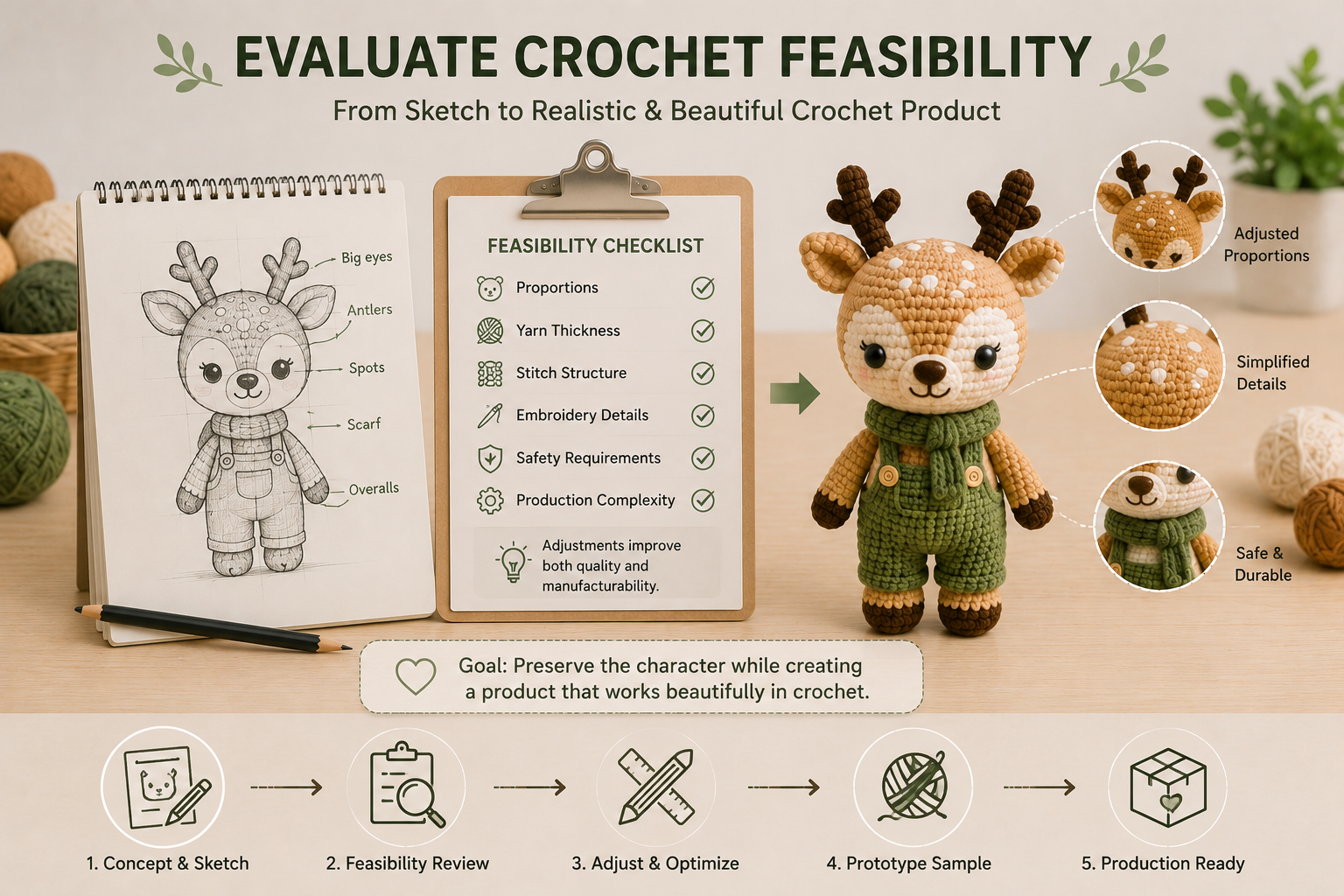
Step 2: Evaluate Crochet Feasibility
Not every illustrated detail can—or should—be recreated exactly in crochet.
Our technical team reviews factors such as:
- Product proportions
- Yarn thickness
- Stitch structure
- Embroidery details
- Safety requirements
- Production complexity
Sometimes minor adjustments improve both appearance and manufacturability.
One lesson we've learned is:
The goal isn't to copy every line of a sketch.
The goal is to preserve the character while creating a product that works beautifully in crochet.
Step 3: Material Selection
Material choices affect both appearance and performance.
Typical options include:
- Organic cotton yarn
- Recycled cotton
- Velvet yarn
- Milk cotton yarn
- Wooden accessories
- Safety eyes
- Embroidered facial details
Material recommendations depend on:
- Target market
- Intended use
- Product positioning
- Safety standards
Step 4: Create the First Crochet Sample
Once the design is finalized, our sample makers begin developing the prototype.
This stage includes:
- Pattern creation
- Stitch testing
- Shape adjustment
- Color matching
- Structural optimization
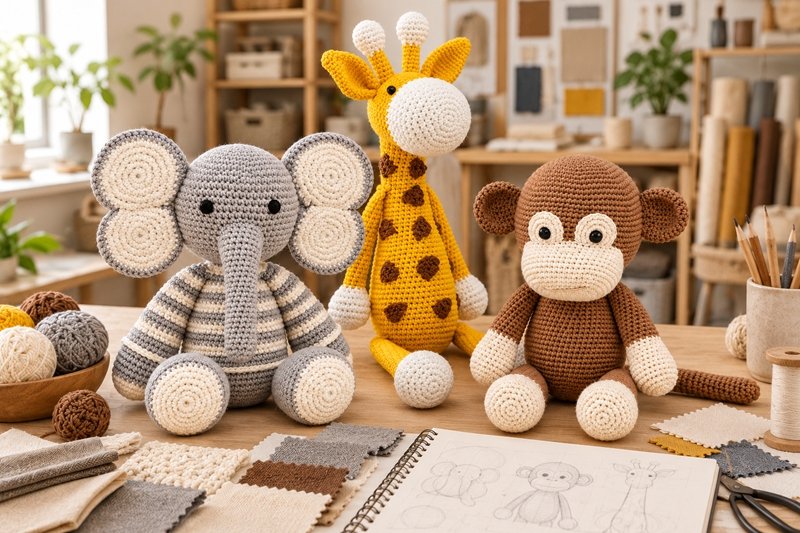
This is where a two-dimensional illustration becomes a three-dimensional handmade product.
Step 5: Internal Quality Review
Before presenting a sample to the customer, we perform internal evaluations.
We review:
- Overall proportions
- Character recognition
- Stitch consistency
- Symmetry
- Material quality
- Durability
If improvements are needed, revisions are completed before customer review.
This helps reduce unnecessary revision cycles.
Step 6: Customer Feedback and Revisions
Very few custom products reach final approval after the first sample.
Typical revisions include:
- Facial expressions
- Color adjustments
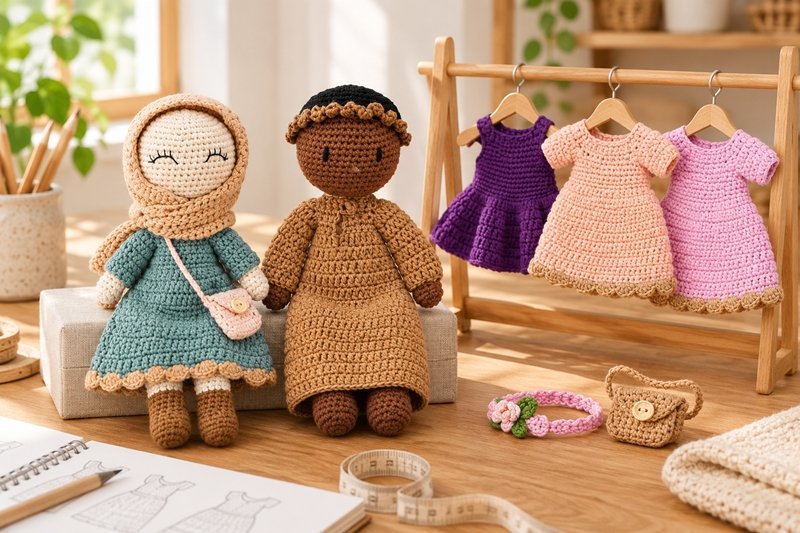
- Clothing details
- Accessories
- Packaging
- Product size
One thing we've learned after developing more than a thousand custom projects is:
Small adjustments often create the biggest improvements.
Good communication during this stage significantly increases final product quality.
Step 7: Prepare for Mass Production
Once the sample is approved, production preparation begins.
This includes:
- Production specifications
- Material purchasing
- Artisan training
- Quality standards
- Packaging preparation
- Production scheduling
Standardization is especially important for handmade products.
Every artisan follows the same approved specifications to ensure consistent quality.
Real Project Example: From Sketch to Museum Collection
One museum customer approached us with several simple hand sketches inspired by a local cultural exhibition.
The original artwork captured the spirit of the characters but contained many details that could not be reproduced directly in crochet.
Working together, we simplified certain decorative elements while preserving the personalities of each character.
After several sample revisions, the customer approved the collection.
The project later expanded from one souvenir character into an entire series including:
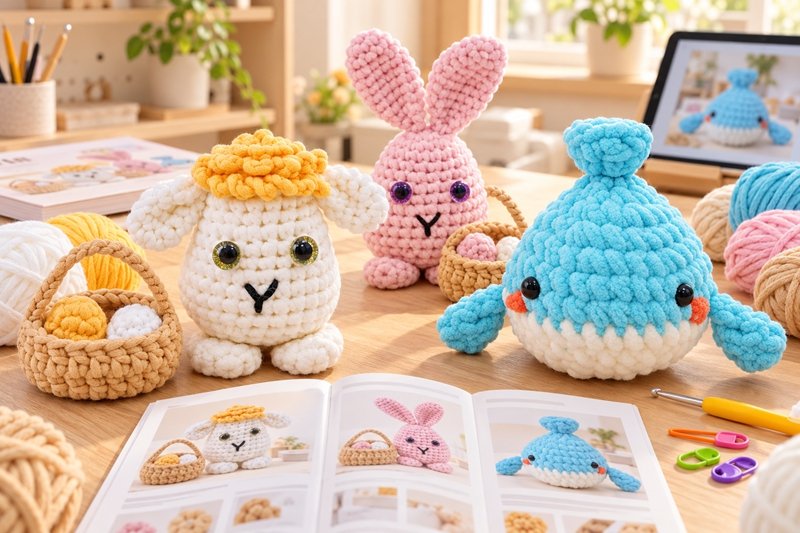
- Multiple crochet characters
- Gift-ready packaging
- Story cards
- Matching accessories
This project reinforced one important lesson:
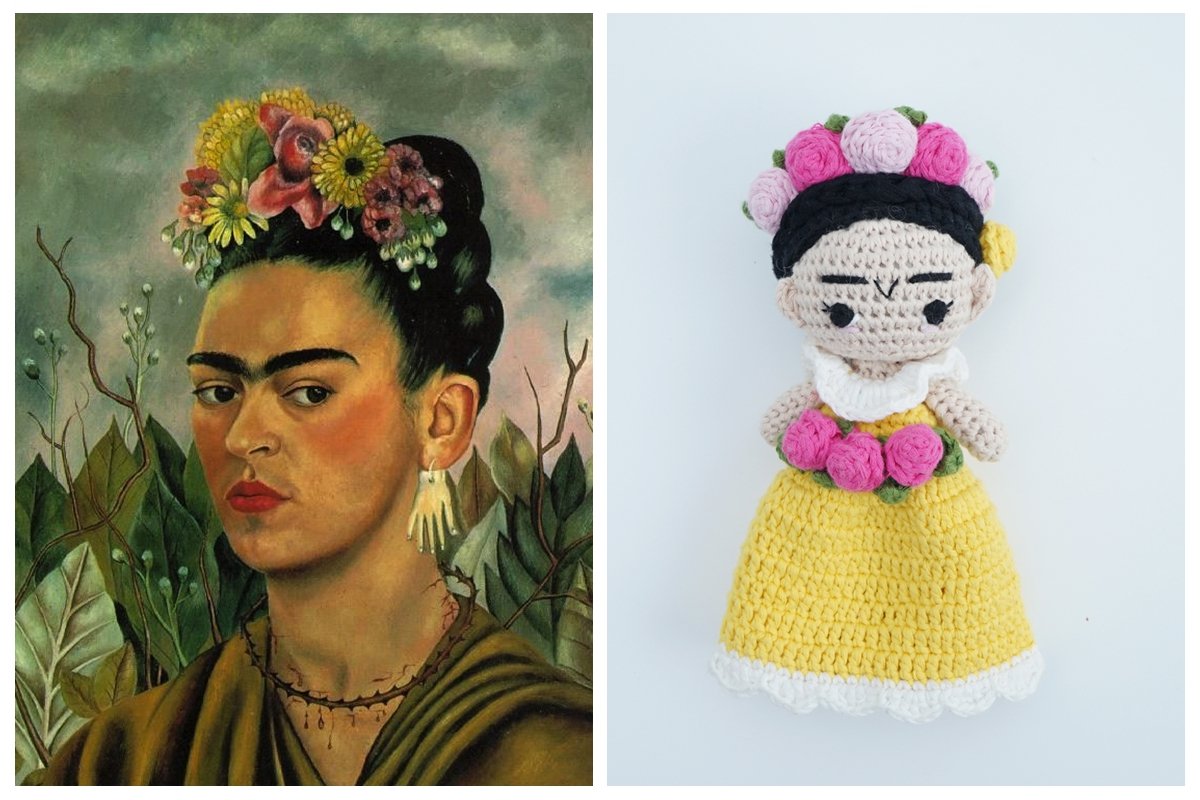
A successful crochet product is not created by copying a drawing.
It is created by balancing creativity, craftsmanship, and manufacturability.
What We Commonly Observe Across Successful Projects
After supporting customers across more than 150 countries and regions, we've noticed several consistent patterns.
Successful projects usually begin with:
- Clear brand positioning
- Strong character personality
- Open communication
- Flexible design thinking
Customers who focus only on reproducing every visual detail often experience longer development cycles.
Customers who prioritize the overall product experience usually achieve stronger commercial results.
Common Mistakes Buyers Make
Expecting Crochet to Copy Every Illustration Exactly
Crochet has its own artistic language.
Some details work better when interpreted rather than duplicated.
Finalizing Packaging Too Early
Packaging should be developed after the product dimensions are confirmed.
Ignoring Production Feasibility
Certain structures may significantly increase production time without improving customer experience.
Experienced manufacturers help optimize these decisions early.
Rushing Sample Development
Good samples save time during mass production.
Investing in careful development usually reduces future production problems.
UMY Crochet Factory at a Glance
Since 2013, UMY has specialized exclusively in crochet manufacturing.
Our capabilities include:
- 12+ years of crochet manufacturing experience
- Customers in 150+ countries and regions
- 2,000+ artisan production network
- OEM and ODM development
- Sample development within approximately 7–15 working days depending on project complexity
- Product design optimization
- Packaging development
- Mass production support
Whether your idea starts as a simple sketch, AI-generated artwork, or a professional illustration, our team helps transform concepts into commercially successful crochet products.
Frequently Asked Questions
Can you develop a crochet product from a hand sketch?
Yes.
Many successful projects begin with simple hand-drawn concepts.
Do I need professional technical drawings?
No.
Reference sketches, illustrations, or photos are usually enough for initial evaluation.
How many sample revisions are normal?
Most custom projects require one to three revision rounds depending on complexity.
Can you improve my original design?
Yes.
Our development team frequently recommends adjustments that improve both appearance and production efficiency.
How long does the sample process take?
Most custom crochet samples are completed within approximately 7–15 working days, depending on product complexity.
Final Thoughts
Turning a sketch into a crochet product is both a creative and technical process.
After supporting customers across more than 150 countries and regions, we've found that the best products are created through collaboration—not simply manufacturing.
Successful development combines:
✓ Creative vision
✓ Technical expertise
✓ Material knowledge
✓ Skilled craftsmanship
✓ Efficient production planning
A simple sketch can become much more than a product.
With the right development process, it can become the beginning of an entire product collection and a lasting brand story.
Looking to Turn Your Sketch Into a Crochet Product?
At UMY Crochet Factory, we help retailers, museum stores, gift brands, distributors, startups, and corporate buyers transform sketches, illustrations, AI-generated artwork, and creative concepts into production-ready crochet products.
From design evaluation and sample development to packaging and large-scale manufacturing, our team supports every stage of the journey.
Contact us today and let's turn your idea into a crochet product your customers will remember.
 Chinese